

Where the soul of the forest whispers in the mist
Kibale Climate shapes one of Uganda’s most biodiverse rainforests, influencing both wildlife behavior and visitor experiences. Located in western Uganda near Fort Portal, Kibale National Park enjoys stable tropical temperatures ranging from 18°C to 27°C (64°F–81°F), with cooler mornings and evenings under the dense forest canopy. The park experiences two rainy seasons—a main wet season from March to May and a shorter wet season from September to November—that sustain its lush vegetation and abundant wetlands. Dry seasons, from December to February and June to August, provide ideal trekking conditions, making wildlife spotting easier and safer. High humidity, averaging around 80%, nourishes the forest ecosystem, ensuring chimpanzees, monkeys, and over 200 bird species thrive throughout the year.
Rainfall and humidity patterns directly influence both wildlife activity and visitor experiences. The dense canopy helps retain moisture, keeping the forest cool and providing ideal conditions for primates, birds, amphibians, and reptiles. During wetter months, waterfalls, streams, and wetlands become more vibrant, while the dry months make forest trails safer and trekking more comfortable. For visitors planning chimpanzee trekking, birdwatching, or nature walks, understanding Kibale’s climate is essential for selecting the best season, packing appropriate gear such as waterproof jackets and sturdy footwear, and ensuring a safe and enjoyable experience. Overall, Kibale’s climate creates a year-round opportunity to explore one of Uganda’s most iconic rainforest ecosystems while witnessing its extraordinary biodiversity.
So lace up your boots, grab your camera, and prepare to meet the wild — this is where your gorilla trekking dreams and unforgettable safari adventures truly begin.
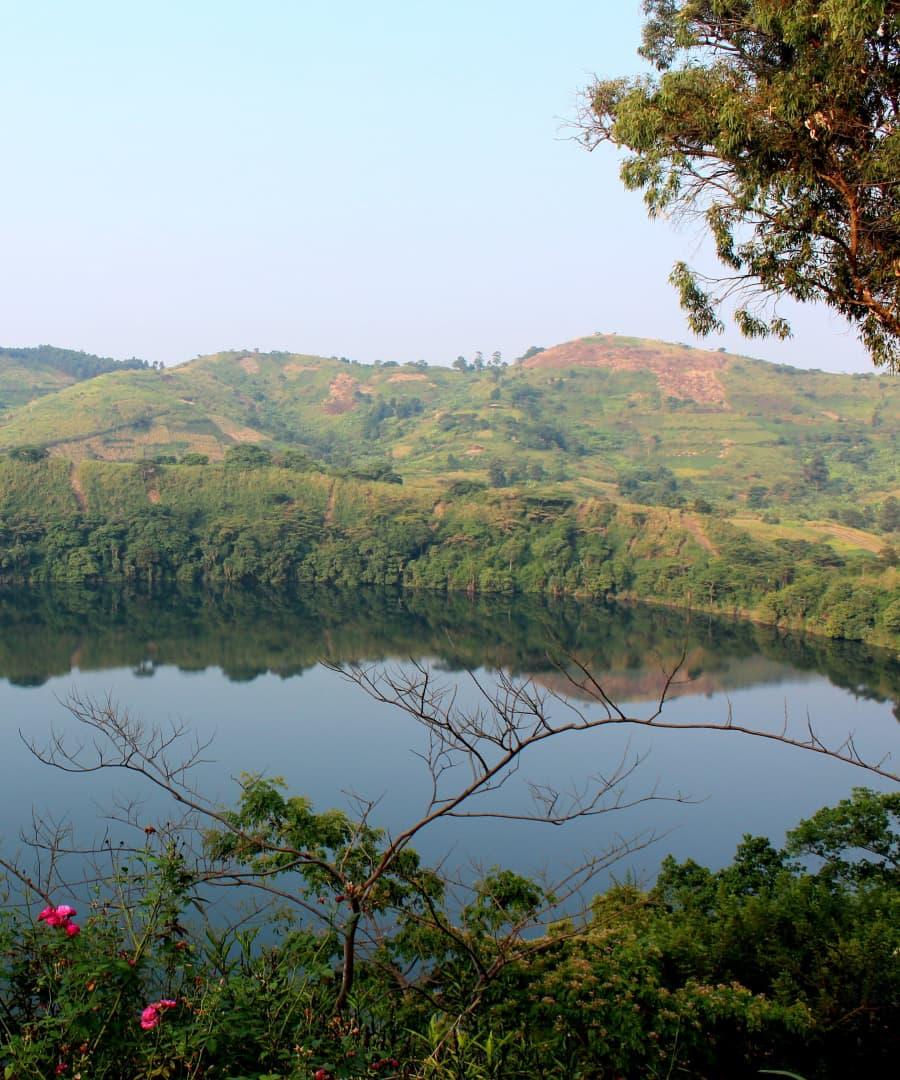
Truly Iconic Highlights in Uganda

Trek through Bwindi’s mystical rainforest and meet the endangered mountain gorillas in their breathtaking natural home.
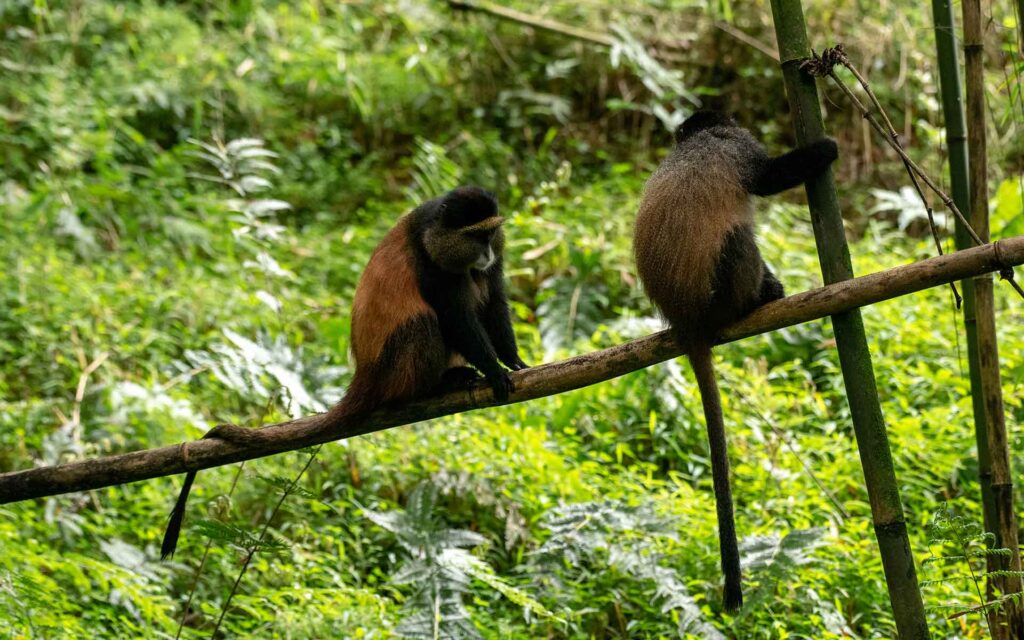
Encounter mountain gorillas and golden monkeys on Mgahinga’s misty volcanic trails, where culture and alpine wildlife thrive together.
Unwind after your trek with a peaceful canoe ride across Lake Bunyonyi, Uganda’s most tranquil and scenic highland lake.
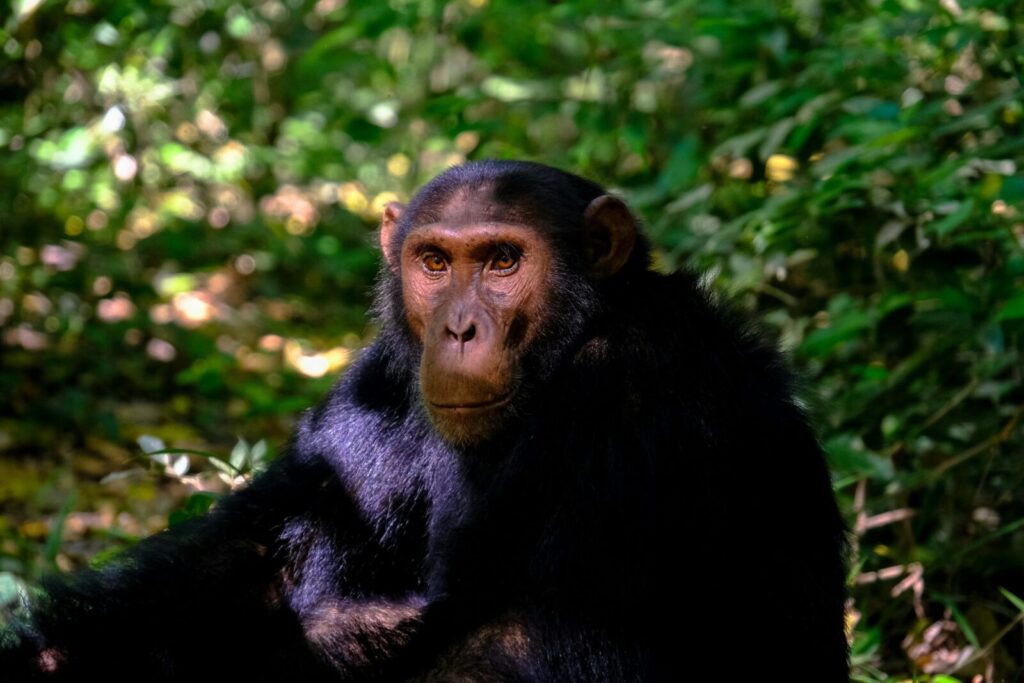
Enhance your gorilla trekking safari with an optional chimpanzee encounter in Uganda’s lush forests, adding depth and diversity to your primate adventure
Understanding Kibale National Park Weather for Chimpanzee Trekking and Wildlife Tours
Temperature
Kibale National Park enjoys a tropical equatorial climate characterized by relatively stable temperatures throughout the year. Unlike destinations that experience dramatic seasonal fluctuations, Kibale maintains a comfortable and predictable range that supports its rich biodiversity. Daytime temperatures typically range between 18°C and 27°C, creating conditions that are warm but rarely overwhelming. Under the dense forest canopy, mornings and evenings tend to feel noticeably cooler, as filtered sunlight and persistent moisture moderate the heat.
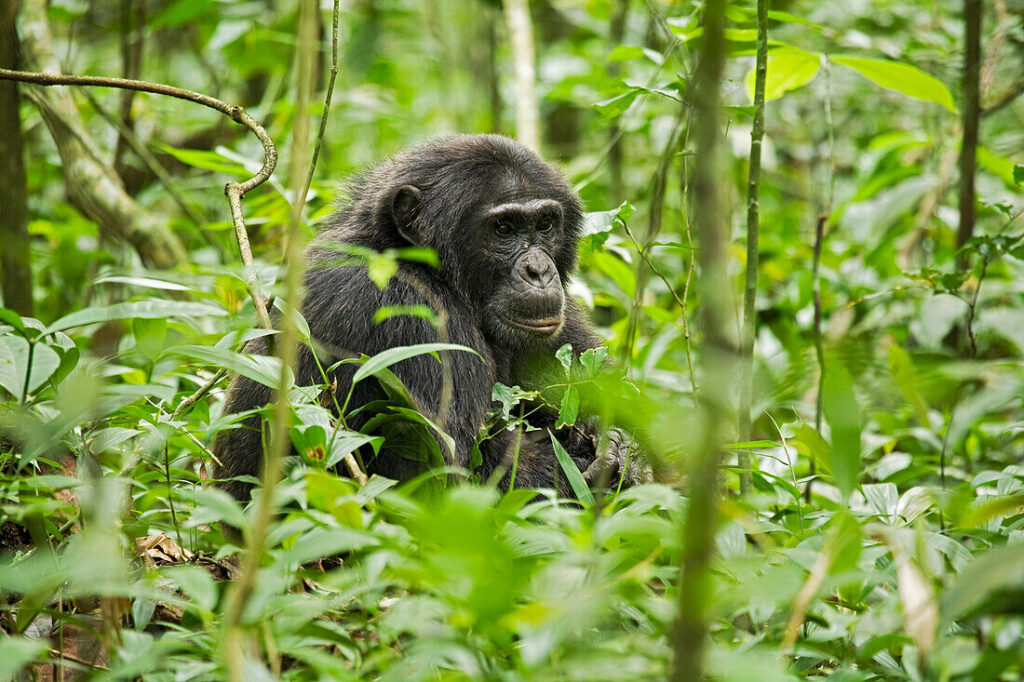
This climatic consistency plays a crucial role in sustaining the park’s ecological diversity. The stable temperatures provide a favorable habitat for more than thirteen primate species, around sixty mammal species, and over two hundred bird species. Even during warmer months, the thick canopy cover, combined with frequent mist and light forest breezes, keeps trekking trails relatively comfortable for visitors. The forest environment naturally regulates heat, offering shade and a refreshing atmosphere that enhances the overall experience. Travelers are generally advised to carry light clothing layers for early morning excursions and a rain jacket to prepare for sudden showers that may occur without much warning.
Rainfall and Seasons
Kibale’s lush rainforest character is sustained by significant and well distributed rainfall throughout the year. The park experiences two primary rainy seasons that shape the rhythm of both wildlife activity and visitor experiences. The longer wet season typically extends from March to May, bringing heavier afternoon showers that nourish the forest floor and replenish streams and wetlands. During this period, trails can become muddy and more challenging to navigate, yet the forest transforms into a vibrant landscape of deep greens, flowing rivers, and revitalized waterfalls. The scenery during these months is particularly dramatic and visually rewarding.
A shorter wet season occurs from September to November, bringing moderate rainfall that refreshes the vegetation without the intensity of the longer rains. This period is especially attractive for birdwatching, as migratory species often join resident birds, increasing overall diversity. In contrast, the drier seasons from December to February and from June to August offer more favorable trekking conditions. Reduced rainfall results in firmer trails, clearer forest paths, and easier wildlife tracking. Although classified as dry, these months still retain the essential moisture that defines a tropical rainforest. With an average annual rainfall ranging between 1,500 and 2,000 millimeters, Kibale remains green, fertile, and ecologically vibrant in every season.
Humidity and Microclimates
Humidity levels in Kibale remain consistently high, averaging around 80 percent. This persistent moisture contributes significantly to the park’s rich vegetation and complex ecological networks. The combination of humidity, intermittent drizzle, and frequent mist creates an environment where orchids, ferns, mosses, and towering tropical trees flourish in layered abundance. The damp atmosphere also supports amphibians, insects, primates, and a wide variety of bird species that rely on moist habitats for survival.
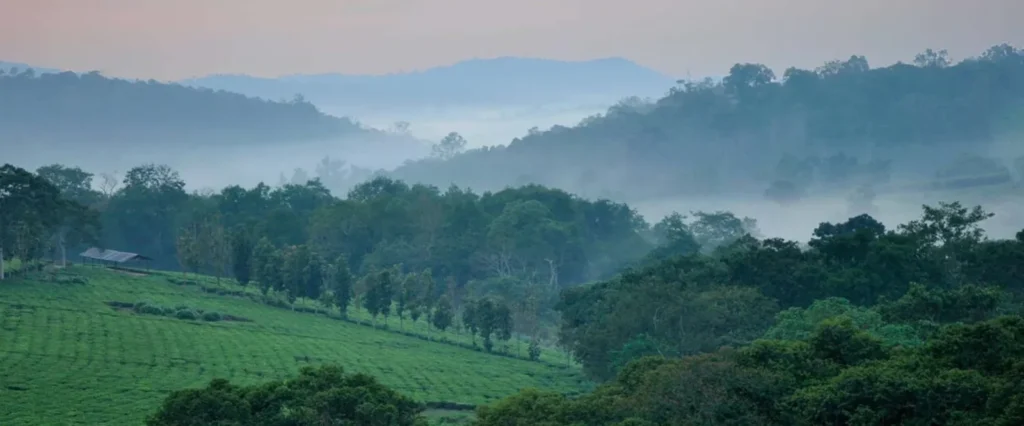
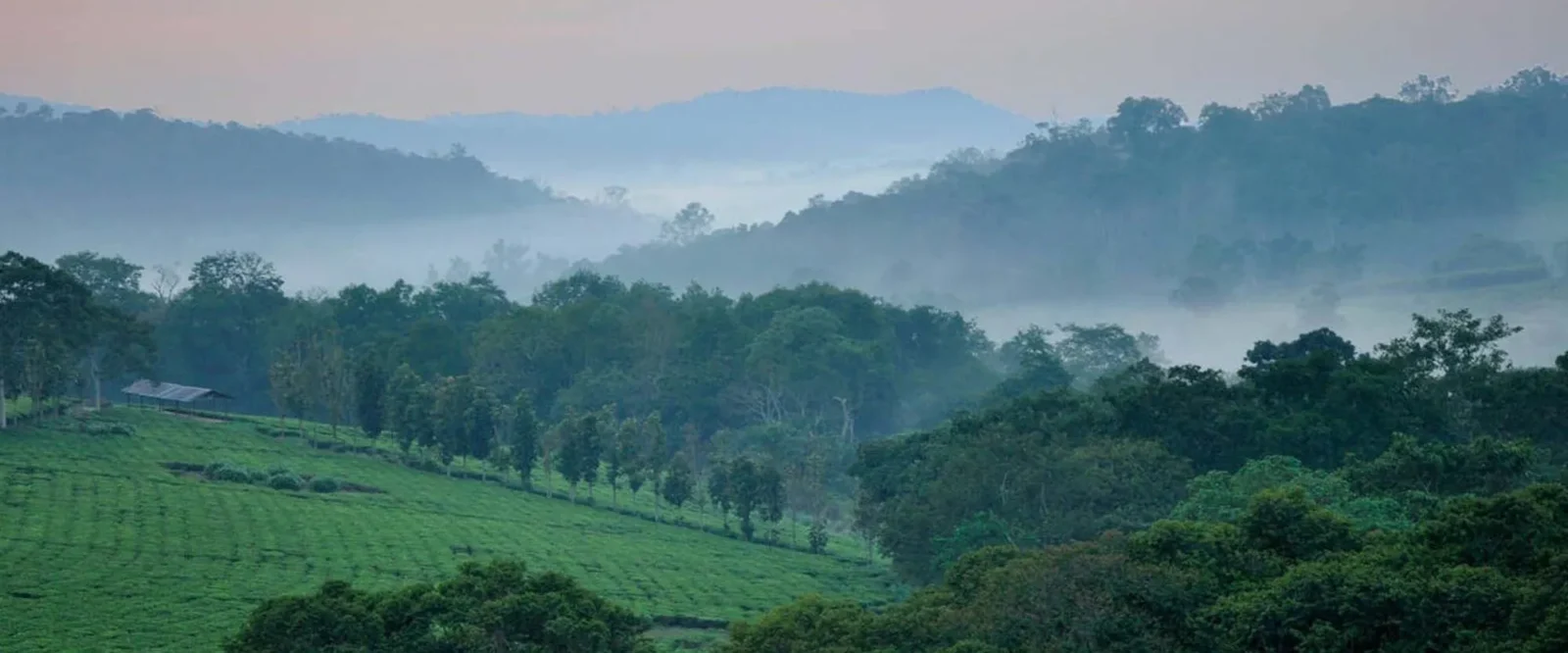
Within the forest, microclimates develop beneath the canopy, where shade and evapotranspiration produce cooler pockets of air along trekking routes. Early mornings are often marked by mist covered trails and dew resting gently on leaves and spider webs, creating a serene and almost ethereal atmosphere. These conditions not only enhance the sensory experience of walking through the forest but also provide exceptional opportunities for photography. The interplay of light filtering through mist and foliage often results in dramatic natural compositions that attract photographers and nature enthusiasts from around the world.
Impact on Wildlife
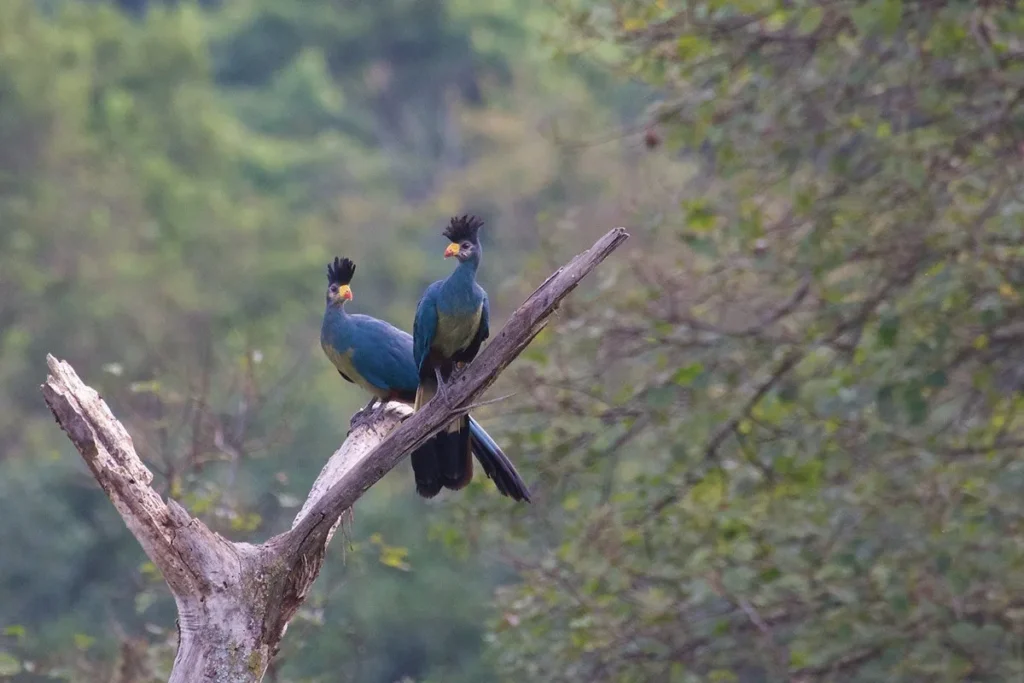
The climatic patterns of Kibale strongly influence wildlife behavior and visibility. During the wetter months, fruiting trees become abundant, encouraging chimpanzees and other primates to move actively through the canopy in search of food. Increased vegetation growth also supports insects and smaller animals, which in turn attract birdlife. Species such as the great blue turaco and papyrus gonolek are often easier to observe during these periods, especially near wetlands and forest streams where feeding and nesting activities intensify.
In the drier months, water sources become focal points for wildlife activity. Mammals and birds frequently gather near streams, swamps, and other remaining water bodies, making sightings more predictable for visitors. The variation between wet and dry seasons adds depth to the overall safari experience, as each period reveals different aspects of animal behavior. For researchers, photographers, and nature enthusiasts, these seasonal shifts provide opportunities to observe ecological interactions that change subtly but meaningfully throughout the year.
Travel and Visitor Guidance
Preparing appropriately for Kibale’s climate significantly enhances the quality of any visit. Because rainfall can occur unexpectedly, especially during the wet seasons, waterproof jackets and durable hiking boots are highly recommended. Trails may become slippery, and proper footwear ensures both comfort and safety. Insect repellent is also advisable due to the humid environment that supports various insect species.
Early morning treks are particularly rewarding, as primates and birds are most active during the cooler hours of the day. Although afternoon rain showers are common in wetter months, they often pass quickly, leaving behind refreshed air and vivid scenery. Travelers who prioritize easier trekking conditions may prefer the drier months, while those interested in dramatic landscapes, thriving waterfalls, and vibrant forest growth may find the rainy seasons more visually captivating. Regardless of timing, staying hydrated, wearing protective clothing, and embracing the natural rhythm of the rainforest will ensure a fulfilling and memorable experience in Kibale National Park.
More Kibale Information to Know.
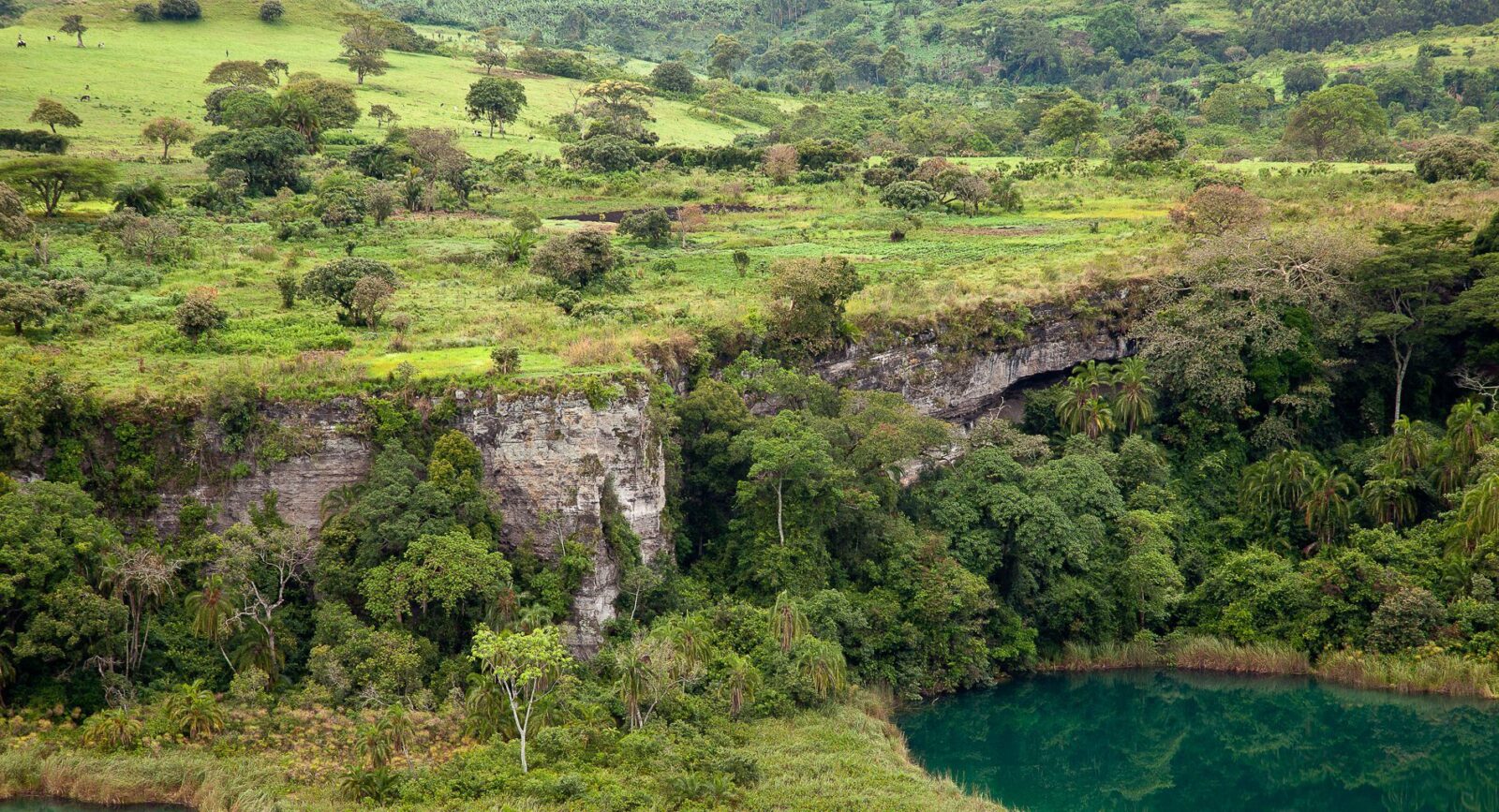
Kibale National Park is a lush, lowland rainforest in western Uganda, defined by dense tropical forest and rolling hills. Its warm, humid climate, rich vegetation, diverse primate population, chimpanzee habitat, and strong conservation focus make it a unique and rewarding destination for primate and nature experiences.
How To Get To Kibale Forest
How To Get To Kibale Forest
Amebere Ga Nyinamwiru Caves
Amebere Ga Nyinamwiru Caves
Bigodi Wetland Sanctuary
Bigodi Wetland Sanctuary
The Ngogo Chimpanzee Project
The Ngogo Chimpanzee Project
Kibale History
Kibale History
Kibale Vegetation
Kibale Vegetation
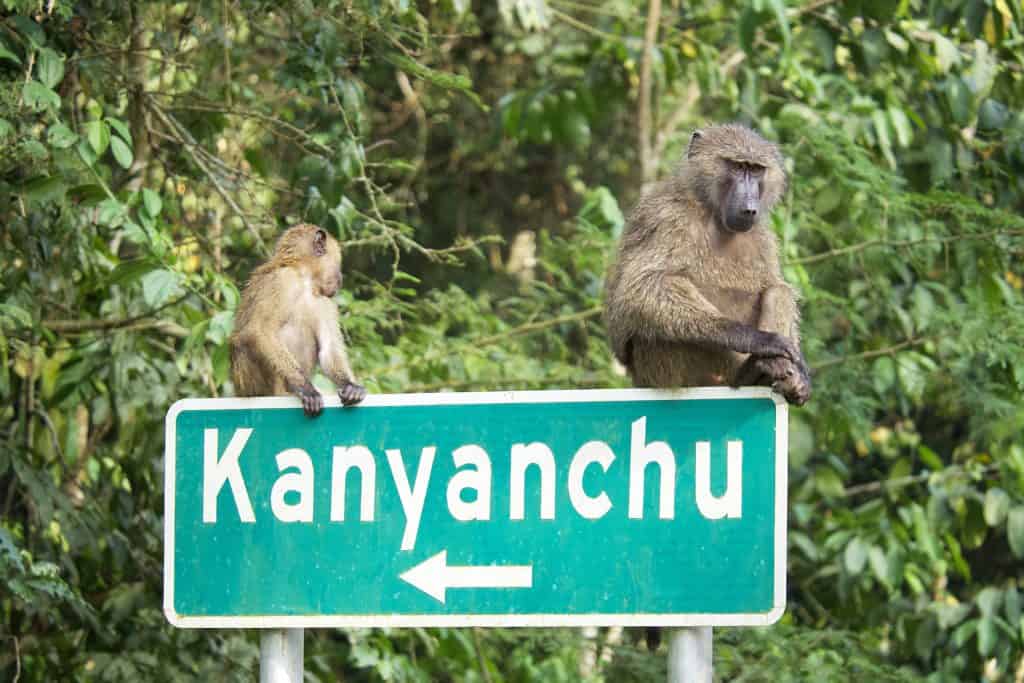
Kanyanchu Visitors’ Center
Kanyanchu Visitors’ Center
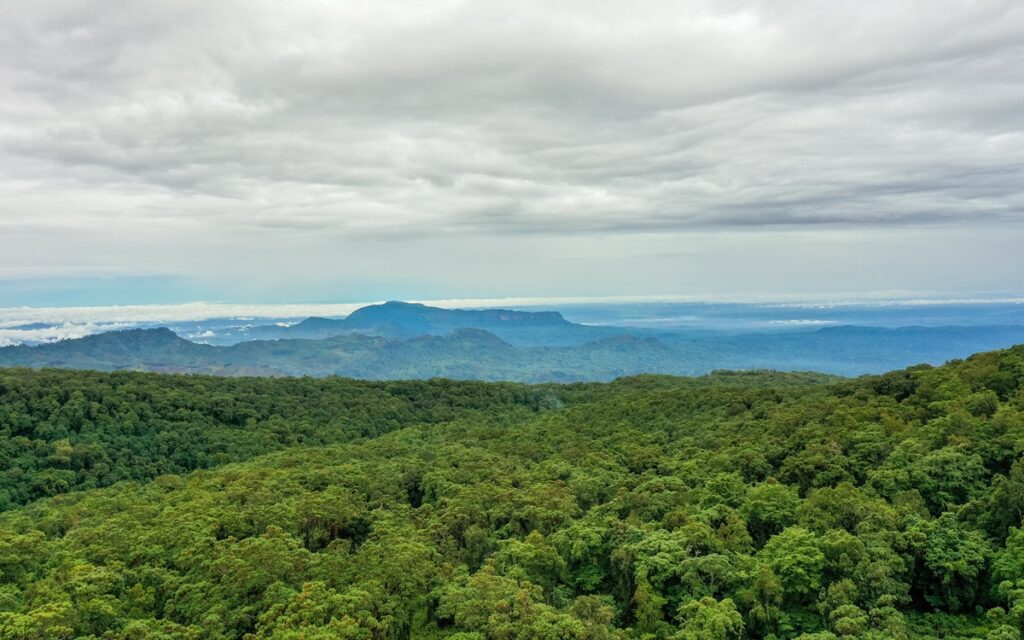
Kibale Geography
Kibale Geography
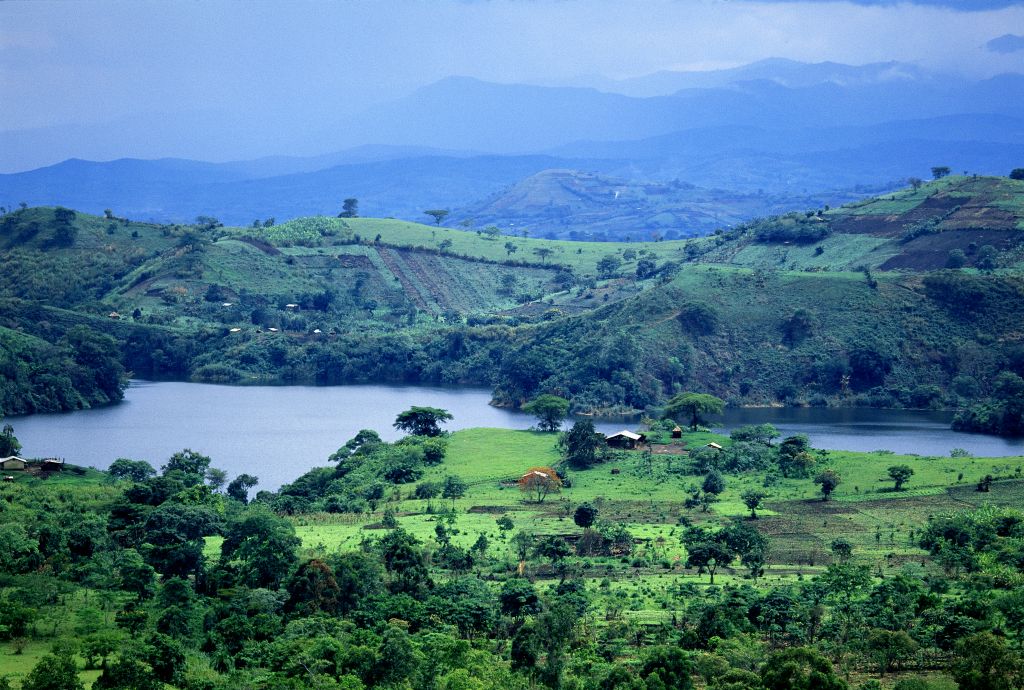
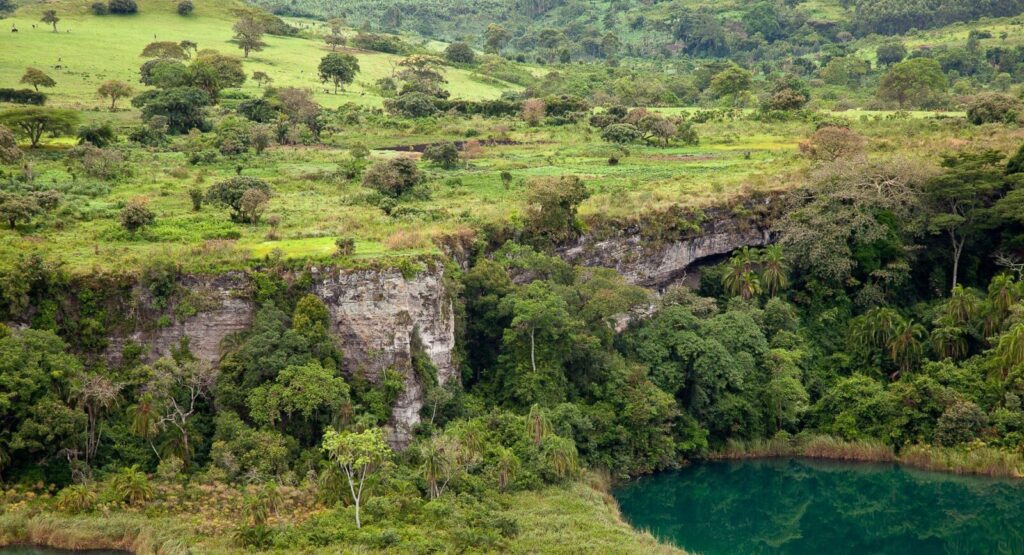
In the Realm of Giants – Kibale in Frames.
Essential Planning Tips for Visiting Uganda’s National Parks.
Get ready for the wild heart of Africa with expert travel tips on when to visit, what to pack, where to go, and how to make the most of your safari across Uganda’s breathtaking national parks.
Why Uganda for Gorilla Trekking?
Uganda is not just a destination — it's the very soul of gorilla trekking. With over half of the world’s remaining mountain gorillas calling its misty forests home, Uganda offers the rarest encounters in their most authentic setting. Here, your journey is not rushed or crowded. Instead, you’re guided by experienced rangers through pristine jungles where gorillas live as they always have — wild, free, and magnificent
From insider travel insights to unforgettable trekking guides, our blog is your trusted path into Uganda’s wild heart — connecting you with mountain gorillas, breathtaking landscapes, and the soul-stirring adventures that make this land unlike any other.