

Where the soul of the forest whispers in the mist
Mgahinga Gorilla National Park, located in southwestern Uganda, is nestled within the Virunga volcanic mountain range. Despite being Uganda’s smallest national park, it spans altitudes ranging from approximately 2,227 meters above sea level at the lower slopes to 4,127 meters at the summit of Mount Muhabura, the highest peak in the park. This remarkable altitudinal variation shapes the park’s unique ecosystems, climate, and biodiversity, making Mgahinga a critical area for both ecological study and adventure tourism.
The park’s altitude influences vegetation types, wildlife distribution, and human accessibility. Lower slopes feature lush montane forests, mid-altitude zones are dominated by bamboo forests, and the highest peaks support afro-alpine vegetation adapted to colder, windier conditions. These altitudinal zones create a vertical ecosystem gradient, allowing species like mountain gorillas, golden monkeys, and endemic birds to occupy specialized habitats. Understanding Mgahinga’s altitude is essential for planning trekking routes, preparing for climatic conditions, and appreciating the ecological richness of the park.
So lace up your boots, grab your camera, and prepare to meet the wild — this is where your gorilla trekking dreams and unforgettable safari adventures truly begin.
Truly Iconic Highlights in Uganda

Trek through Bwindi’s mystical rainforest and meet the endangered mountain gorillas in their breathtaking natural home.
Encounter mountain gorillas and golden monkeys on Mgahinga’s misty volcanic trails, where culture and alpine wildlife thrive together.
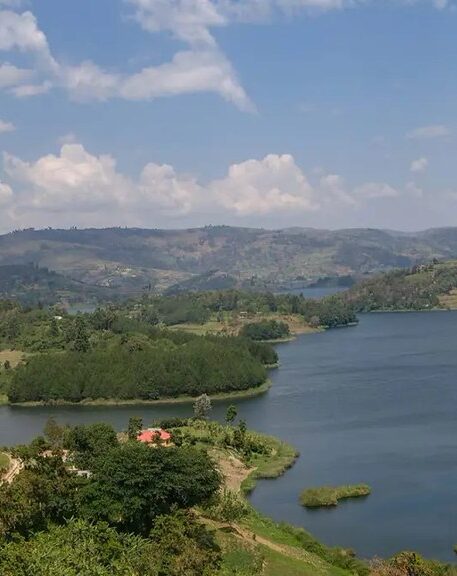
Unwind after your trek with a peaceful canoe ride across Lake Bunyonyi, Uganda’s most tranquil and scenic highland lake.
Enhance your gorilla trekking safari with an optional chimpanzee encounter in Uganda’s lush forests, adding depth and diversity to your primate adventure
A DETAILED STUDY OF MGAHINGA’S ALTITUDE
Lower Slopes
The lower slopes of Mgahinga, ranging between 2,227 and 2,500 meters, are covered by lush montane forests and cultivated community land. Warm temperatures, high humidity, and annual rainfall averaging 1,200–1,800 millimeters create ideal conditions for tall hardwood trees, ferns, and a rich understory of shrubs. These lower elevations are home to small mammals, primates, and a wide variety of bird species, making them excellent areas for wildlife viewing during nature walks and guided treks. Accessibility is easier at these altitudes, providing convenient zones for visitor orientation, briefings, and early-stage trekking.
Mid-Altitude Zones
Between 2,500 and 3,200 meters, Mgahinga transitions into bamboo forests interspersed with shrubs and small montane trees. Yushania alpina dominates this zone, forming dense thickets that are crucial for the diets of mountain gorillas and golden monkeys. Cooler temperatures, frequent mist, and strong winds create a microclimate favorable for bamboo growth and specialized wildlife. This altitude also represents the most physically demanding sections of trekking routes, with steeper slopes and rugged terrain requiring preparation and stamina from visitors.
High-Altitude Zones
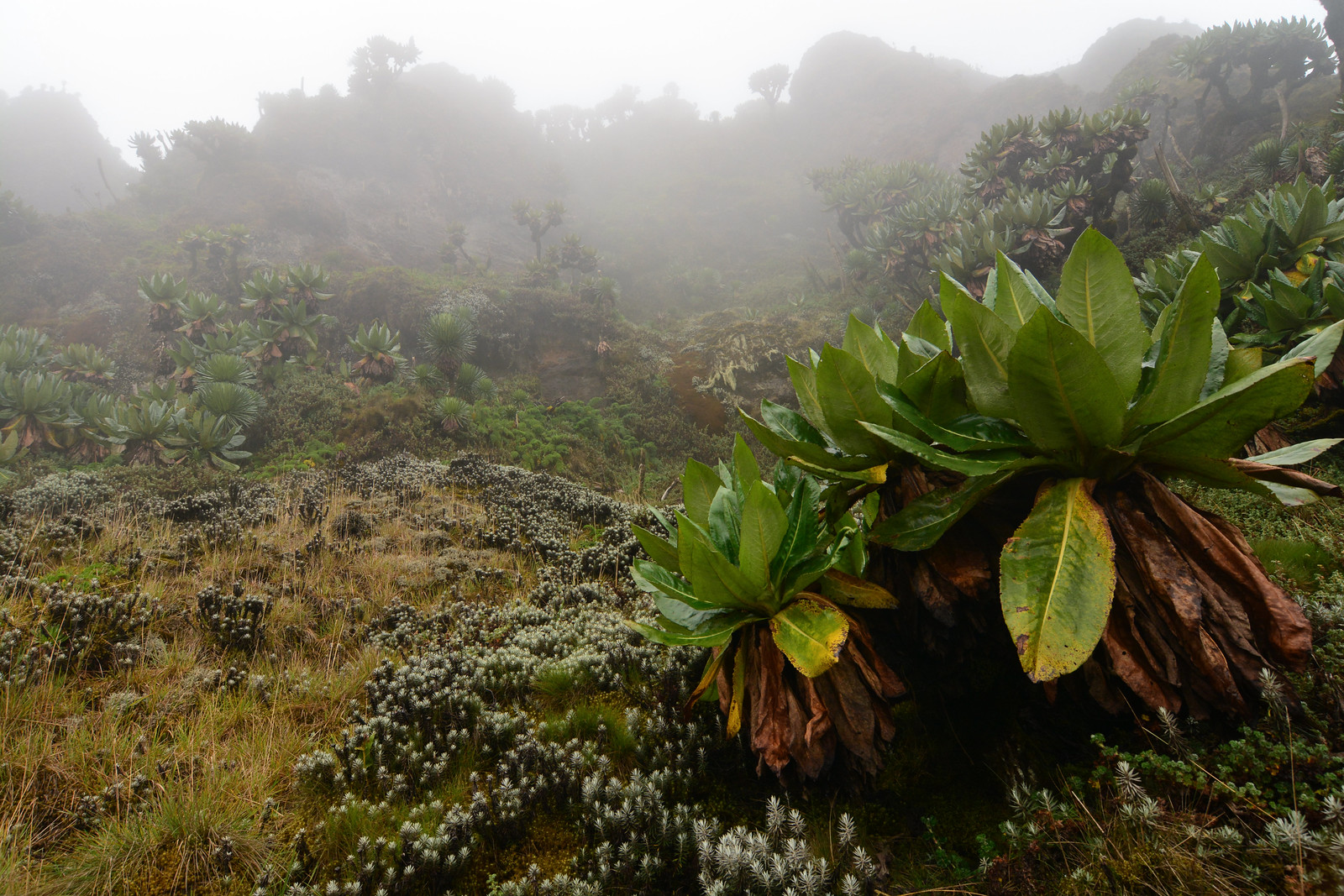
Above 3,200 meters, Mgahinga’s peaks—including Mount Gahinga, Mount Sabyinyo, and Mount Muhabura—are characterized by afro-alpine vegetation. Temperatures are significantly lower, winds are stronger, and weather conditions can change rapidly. Plant species such as giant lobelias, heathers, and tussock grasses dominate these high zones, while animal life is less abundant but highly specialized. High-altitude areas provide panoramic views of the Virunga volcanic range, crater lakes, and surrounding landscapes, making them key attractions for adventurous trekkers seeking both biodiversity and scenic beauty.
Climatic Influence of Altitude
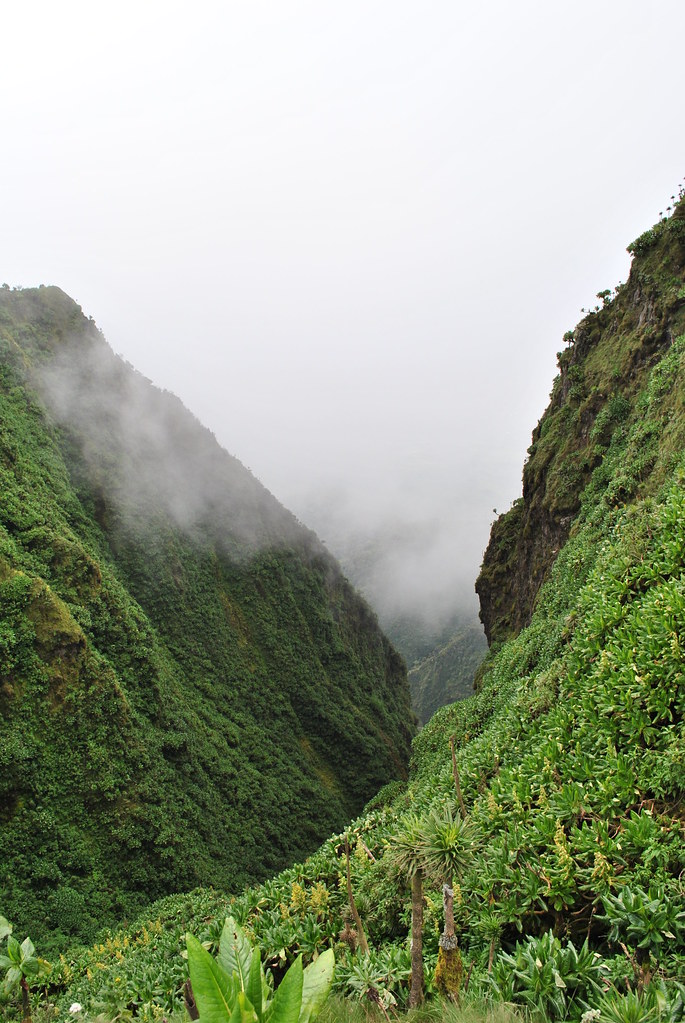
Altitude directly affects temperature, rainfall, and humidity within the park. Lower slopes have moderate temperatures averaging 16–20°C, whereas higher peaks can fall below 10°C. Mist and fog are common between 2,800 and 3,800 meters, creating humid conditions favorable for mosses, orchids, and ferns. These climatic variations influence species distribution, with gorillas preferring mid-altitude bamboo zones while afro-alpine regions support specialized plant communities. Visitors must prepare for sudden weather changes, particularly at high elevations, to ensure safe and comfortable trekking experiences.
Ecological Significance of Altitude
The variation in altitude creates distinct vegetation zones, each supporting diverse flora and fauna. Montane forests host primates, birds, and small mammals; bamboo belts sustain gorillas and golden monkeys; and afro-alpine grasslands harbor cold-adapted plants and endemic birds. Vertical ecosystems enhance ecological resilience by providing interconnected habitats that allow species to move along altitudinal gradients. These zones also help maintain water catchments, prevent soil erosion, and regulate local climate patterns, highlighting the ecological importance of Mgahinga’s altitude-driven landscapes.
Trekking and Visitor Experience
Visitors experience the altitudinal variation firsthand during gorilla and golden monkey treks. Ascending from lower slopes to mid-altitude bamboo forests offers encounters with iconic wildlife and breathtaking scenery. High-altitude peaks provide panoramic views of neighboring Virunga volcanoes, crater lakes, and cross-border landscapes. Guides advise on pacing, hydration, and acclimatization, ensuring visitor safety and enhancing appreciation for the ecological and scenic diversity across different altitudes.
Health Considerations at Altitude
Although Mgahinga’s peaks are not extreme, mild altitude effects such as fatigue, shortness of breath, and cold-related discomfort may occur. Layered clothing, proper hydration, and sufficient rest are recommended. Park guides are trained to assist visitors in navigating these challenges safely, ensuring that trekking remains enjoyable without compromising health.
Conservation and Altitude
Altitude influences conservation strategies within the park. Lower montane forests require protection from human encroachment and invasive species. Bamboo zones need monitoring to prevent overfeeding pressures on gorillas, and afro-alpine peaks require erosion control and habitat preservation. By understanding the ecological significance of altitude, park managers implement targeted interventions to maintain biodiversity, ecosystem connectivity, and sustainable tourism practices.
More Mgahinga Information to Know.
Mgahinga Gorilla National Park is a compact, high-altitude park in southwestern Uganda, defined by dramatic volcanic mountains and afro-montane forest. Its cool climate, rare vegetation, golden monkey habitat, rich cultural heritage, and strong conservation focus make it a unique and rewarding destination for primate and nature experiences.
Mgahinga Climate
Mgahinga Climate
Mgahinga Geography & Geology
Mgahinga Geography & Geology
Mgahinga History
Mgahinga History
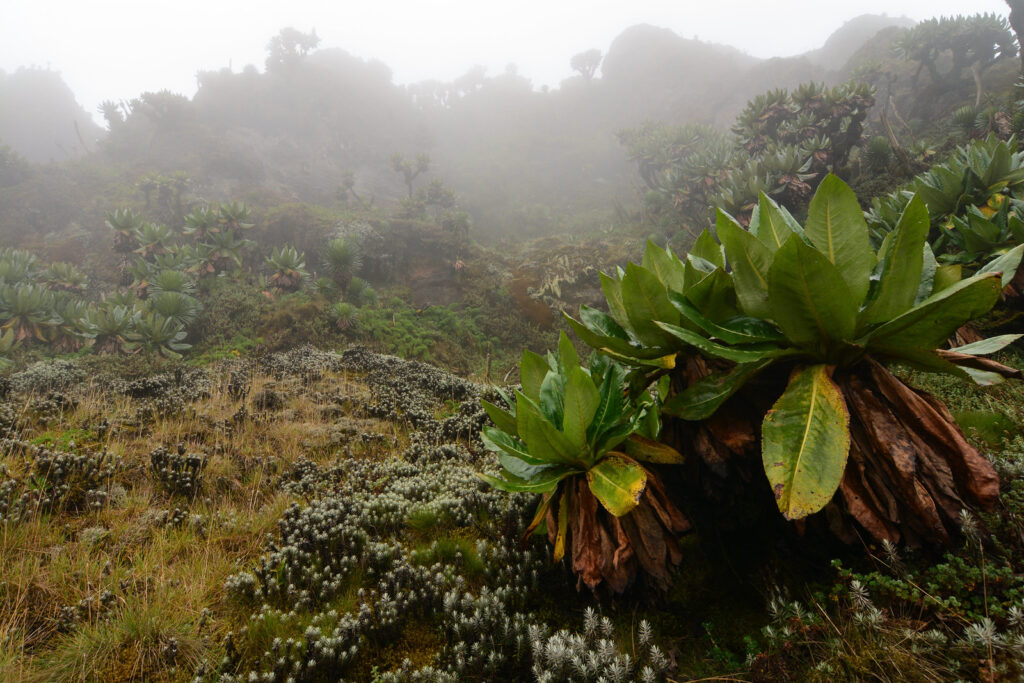
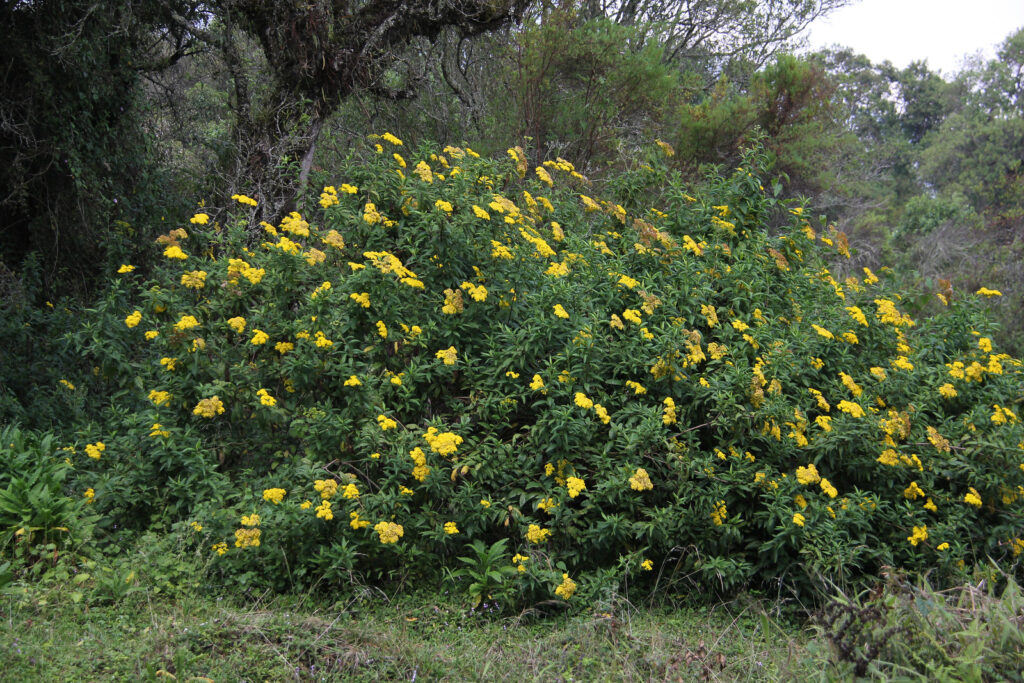
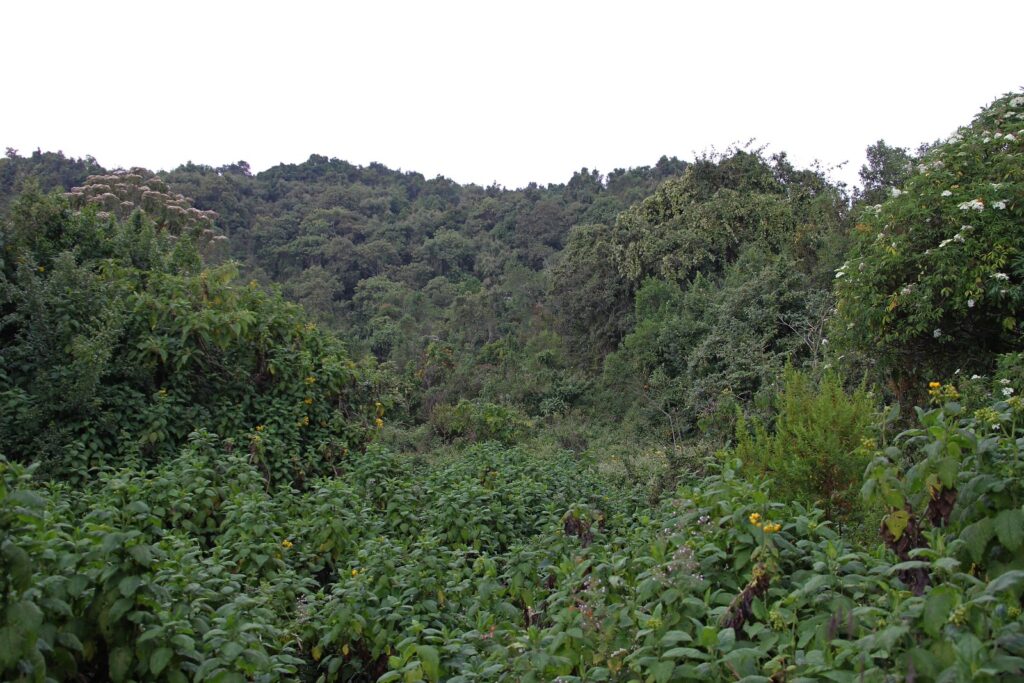
Mgahinga Vegetation
Mgahinga Vegetation
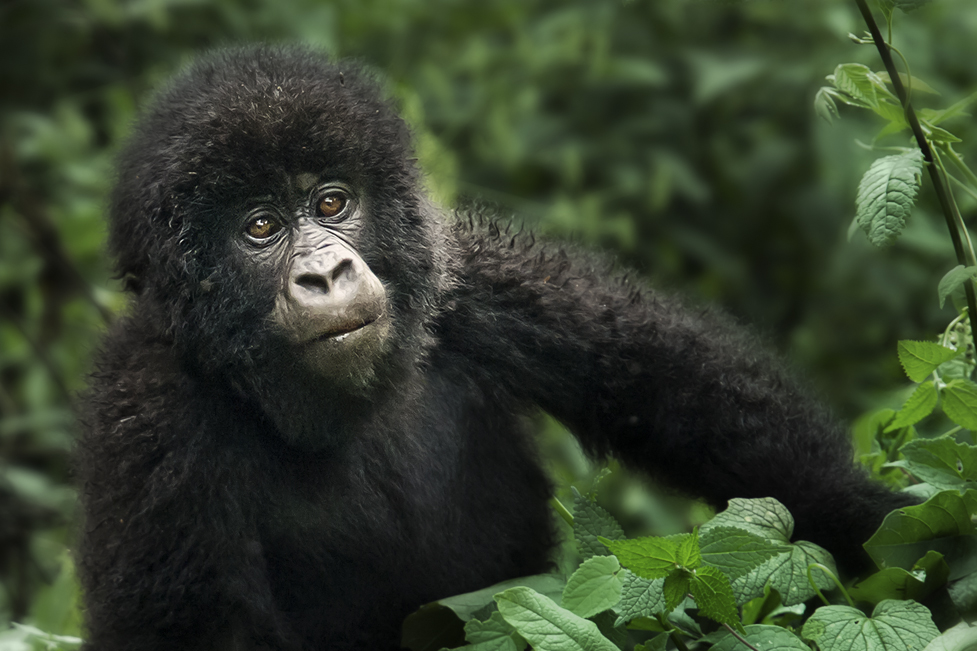
Ntebeko Visitor Centre
Ntebeko Visitor Centre
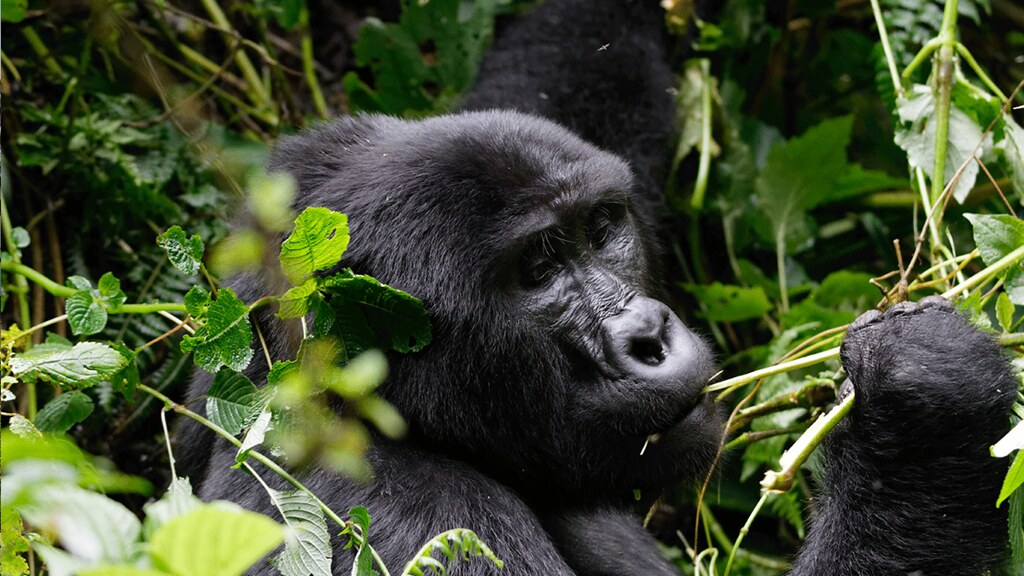
Mgahinga Biodiversity
Mgahinga Biodiversity
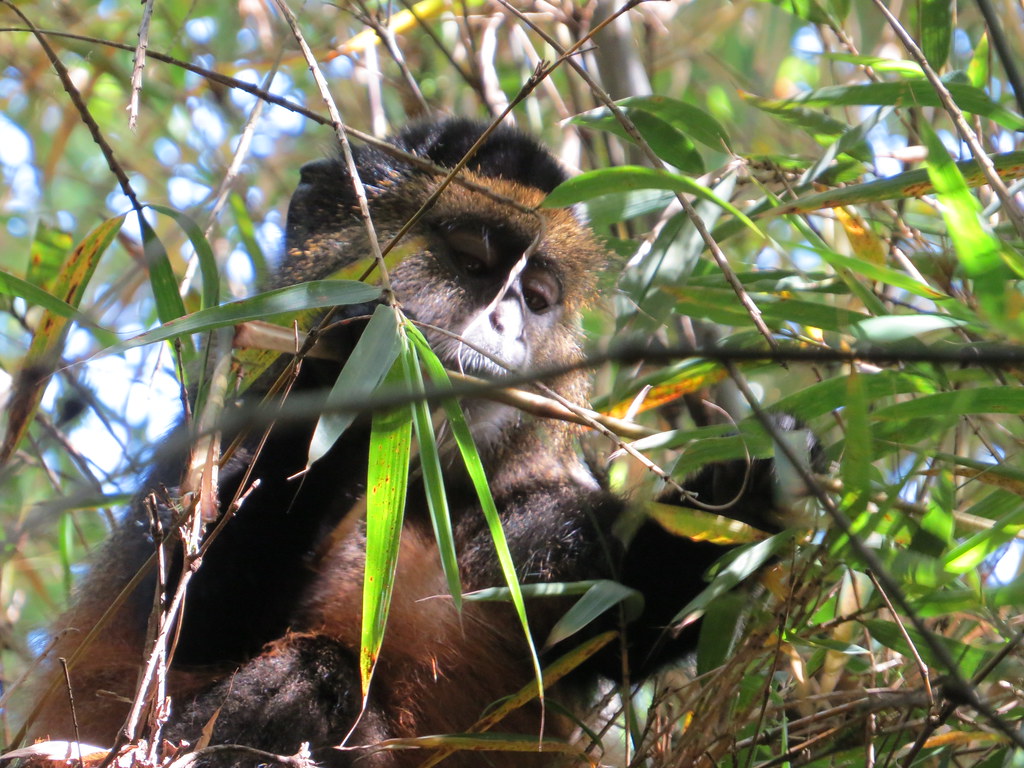
Mgahinga FAQs Information
Mgahinga FAQs Information
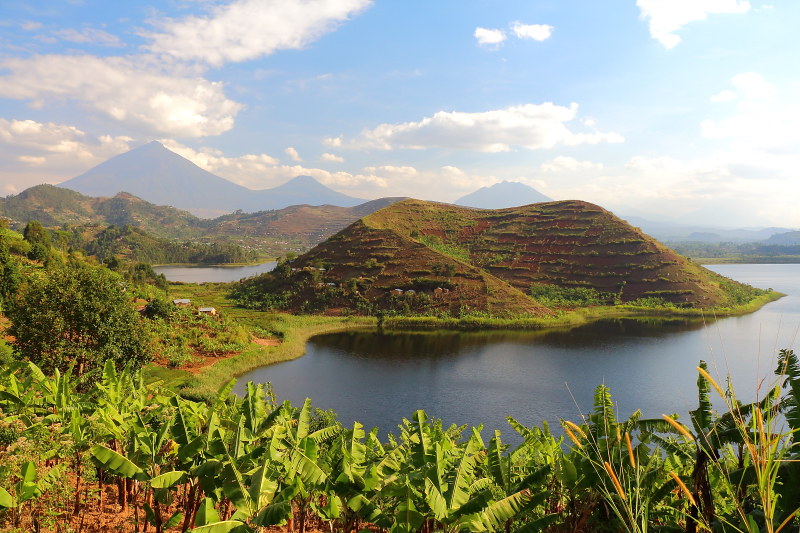
Getting There To Mgahinga
Getting There To Mgahinga
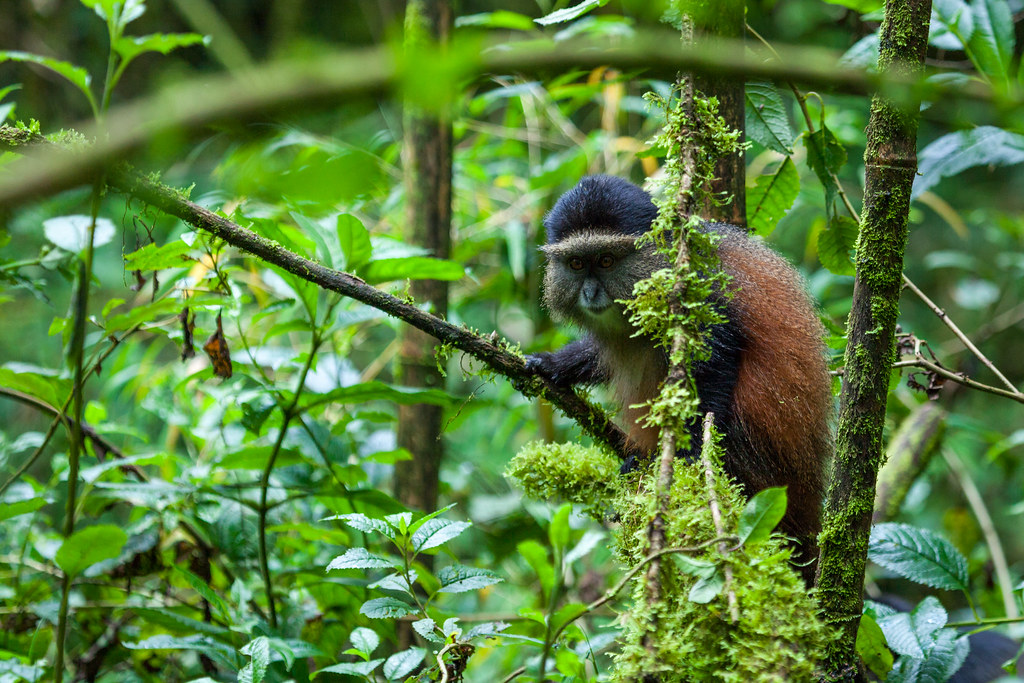
Mgahinga Location
Mgahinga Location
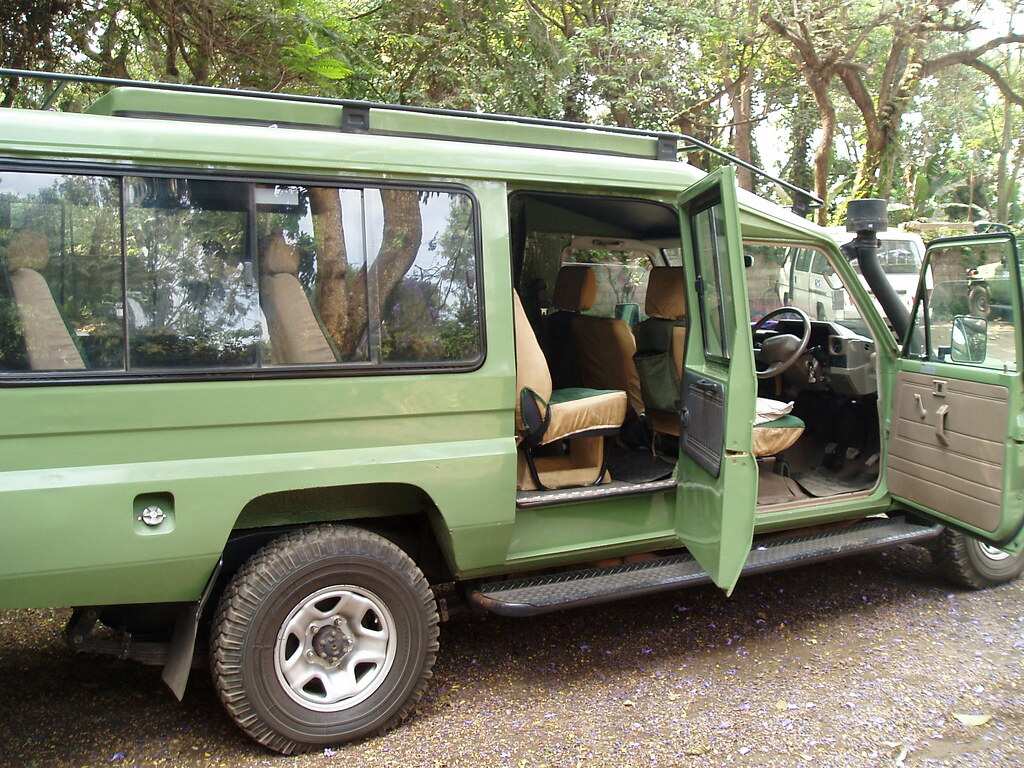
Self Drive
Self Drive
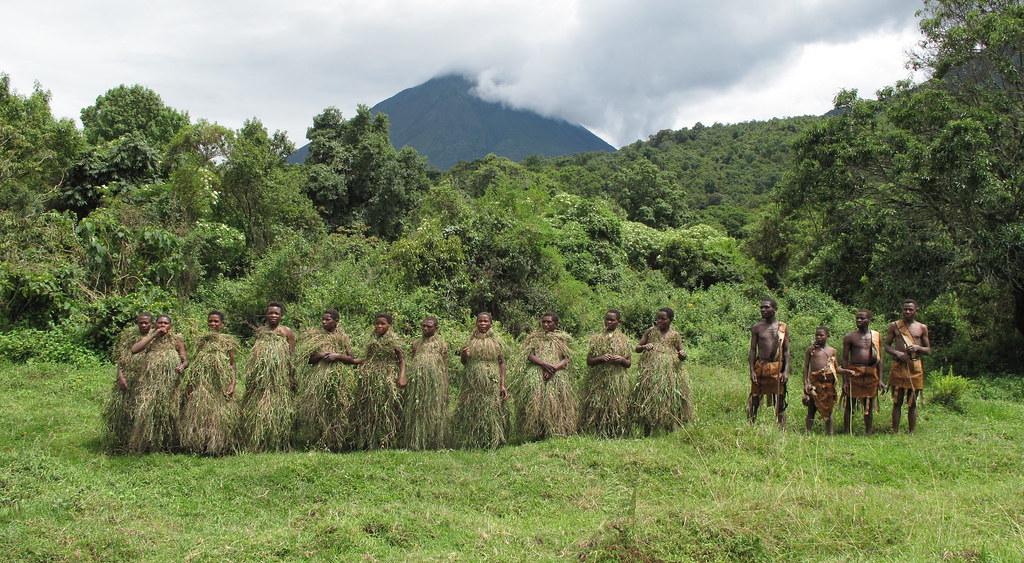
Batwa Trail
Batwa Trail
In the Realm of Giants – Bwindi & Mgahinga in Frames.
Wander through an elegant gallery capturing Uganda’s most exclusive gorilla sanctuaries, where ancient forests cradle the last mountain gorillas in a world of mist, mystery, and majesty.
Essential Planning Tips for Visiting Uganda’s National Parks.
Get ready for the wild heart of Africa with expert travel tips on when to visit, what to pack, where to go, and how to make the most of your safari across Uganda’s breathtaking national parks.
Why Uganda for Gorilla Trekking?
Uganda is not just a destination — it's the very soul of gorilla trekking. With over half of the world’s remaining mountain gorillas calling its misty forests home, Uganda offers the rarest encounters in their most authentic setting. Here, your journey is not rushed or crowded. Instead, you’re guided by experienced rangers through pristine jungles where gorillas live as they always have — wild, free, and magnificent
From insider travel insights to unforgettable trekking guides, our blog is your trusted path into Uganda’s wild heart — connecting you with mountain gorillas, breathtaking landscapes, and the soul-stirring adventures that make this land unlike any other.