

Where the soul of the forest whispers in the mist
Self-driving to Mgahinga Gorilla National Park offers an adventurous and flexible way to explore Uganda’s southwestern highlands. For travelers who prefer independence, this option allows them to set their own pace, stop at scenic viewpoints, and engage directly with local culture along the route. Driving through the volcanic landscapes, rolling hills, and terraced farms provides a unique opportunity to experience the natural beauty and rural life of the Kisoro and Kabale districts. Self-drive travel is particularly appealing for photographers, road trip enthusiasts, and families or small groups seeking privacy and control over their safari schedule.
While self-driving gives freedom, it requires careful planning due to the park’s mountainous terrain, changing weather, and limited infrastructure. Understanding vehicle requirements, road conditions, and park access procedures is essential to ensure a safe and enjoyable journey. This overview highlights the considerations, challenges, and advantages of driving independently to Mgahinga, while emphasizing how preparation enhances both the safety and the quality of the visitor experience.
So lace up your boots, grab your camera, and prepare to meet the wild — this is where your gorilla trekking dreams and unforgettable safari adventures truly begin.
Truly Iconic Highlights in Uganda

Trek through Bwindi’s mystical rainforest and meet the endangered mountain gorillas in their breathtaking natural home.
Encounter mountain gorillas and golden monkeys on Mgahinga’s misty volcanic trails, where culture and alpine wildlife thrive together.
Unwind after your trek with a peaceful canoe ride across Lake Bunyonyi, Uganda’s most tranquil and scenic highland lake.
Enhance your gorilla trekking safari with an optional chimpanzee encounter in Uganda’s lush forests, adding depth and diversity to your primate adventure
A DETAILED STUDY OF SELF-DRIVING TO MGAHINGA
Route planning and logistics
Self-driving from Kampala to Mgahinga involves navigating approximately 480 kilometers, typically taking 9 to 10 hours. The main route passes through Masaka, Mbarara, and Kabale before reaching Kisoro, the gateway town to the park. Roads are generally paved up to Kabale, after which travelers encounter steep, winding mountain roads that require careful navigation. Advanced route planning is crucial, including determining rest stops, fuel stations, and overnight accommodations, particularly if traveling in a single day proves too demanding. Accurate GPS maps and local guidance enhance navigation, reducing the risk of delays or missing key junctions on the mountainous sections.
Vehicle requirements
A self-drive to Mgahinga demands a robust vehicle capable of handling rugged terrain, especially during the rainy season when roads can become muddy and slippery. Four-wheel drive (4×4) vehicles with high ground clearance are recommended, ensuring safety and stability on steep slopes and uneven surfaces. Adequate vehicle maintenance, including tire checks, brake inspections, and spare parts, is vital for a trouble-free journey. Travelers should also carry essential tools, first aid kits, and emergency supplies to address unforeseen circumstances, ensuring preparedness throughout the journey.
Scenic stops and cultural encounters
One of the key benefits of self-driving is the ability to make impromptu stops at scenic viewpoints and local attractions. Travelers can explore Lake Bunyonyi, the terraced hills of Kabale, and traditional villages of the Batwa, Bakiga, and Bafumbira communities. These encounters provide deeper insight into local culture, cuisine, and rural lifestyles. Photography enthusiasts can capture panoramic landscapes, volcanic peaks, and community interactions at their own pace, creating a personalized and immersive travel experience that is often unavailable through guided tours or chartered transport.
Navigating park entry and permits
Upon reaching Kisoro, self-drivers proceed to Ntebeko Visitor Centre at Mgahinga for park registration, orientation, and trekking permit collection. Understanding park procedures is crucial, as permits are mandatory for gorilla trekking, golden monkey tracking, and other guided activities. Rangers provide essential safety briefings, ecological information, and advice on trail conditions, ensuring that self-driving visitors are fully prepared to navigate the park responsibly. Planning arrival times in accordance with park schedules avoids delays and maximizes the time available for wildlife and hiking activities.
Safety considerations
Self-driving in the mountainous terrain of southwestern Uganda requires vigilance and preparation. Drivers should be cautious of sharp curves, steep inclines, and occasional livestock or pedestrian traffic on rural roads. Weather conditions can change rapidly, with fog, rain, or mist reducing visibility and road traction. Travelers are advised to drive during daylight hours, maintain lower speeds on challenging stretches, and ensure communication devices are functional in case of emergencies. Knowledge of basic vehicle troubleshooting and road safety protocols enhances confidence and reduces risk while navigating the highlands en route to Mgahinga.
Accommodation and rest stops
Planning overnight stops is essential for self-driving tourists, particularly if they wish to break the long journey into manageable segments. Kisoro and Kabale offer a range of accommodations from budget lodges to mid-range hotels, providing convenience for early morning departures to the park. Staying near the park entrance allows self-drivers to arrive promptly for gorilla trekking or golden monkey tracking, while also giving flexibility to explore local attractions or scenic viewpoints. Advance bookings are recommended, especially during peak trekking seasons, to guarantee availability and reduce travel stress.
Ecological responsibility during self-drive
Self-driving travelers must adhere to responsible tourism practices, minimizing ecological impact throughout the journey. Avoiding litter, respecting local communities, and complying with park regulations are essential. Vehicles should remain on designated roads to prevent soil erosion and habitat disturbance. Awareness of ecological sensitivity ensures that the natural beauty and biodiversity of the southwestern highlands remain preserved for future visitors while promoting sustainable travel practices. Self-driving, when done responsibly, supports conservation efforts and provides a more intimate connection with Uganda’s landscapes and wildlife.
Advantages of self-drive travel
Self-driving offers unparalleled flexibility, control over itinerary, and the opportunity to engage deeply with the surrounding environment. Travelers can explore off-the-beaten-path locations, adjust travel times based on weather and personal preferences, and create a personalized safari experience. For photographers, researchers, and adventure travelers, self-drive allows extended stops for wildlife observation, landscape photography, and cultural immersion. Combined with proper preparation and ecological awareness, self-driving to Mgahinga provides a rewarding, independent, and fully immersive travel experience.
More Mgahinga Information to Know.
Mgahinga Gorilla National Park is a compact, high-altitude park in southwestern Uganda, defined by dramatic volcanic mountains and afro-montane forest. Its cool climate, rare vegetation, golden monkey habitat, rich cultural heritage, and strong conservation focus make it a unique and rewarding destination for primate and nature experiences.
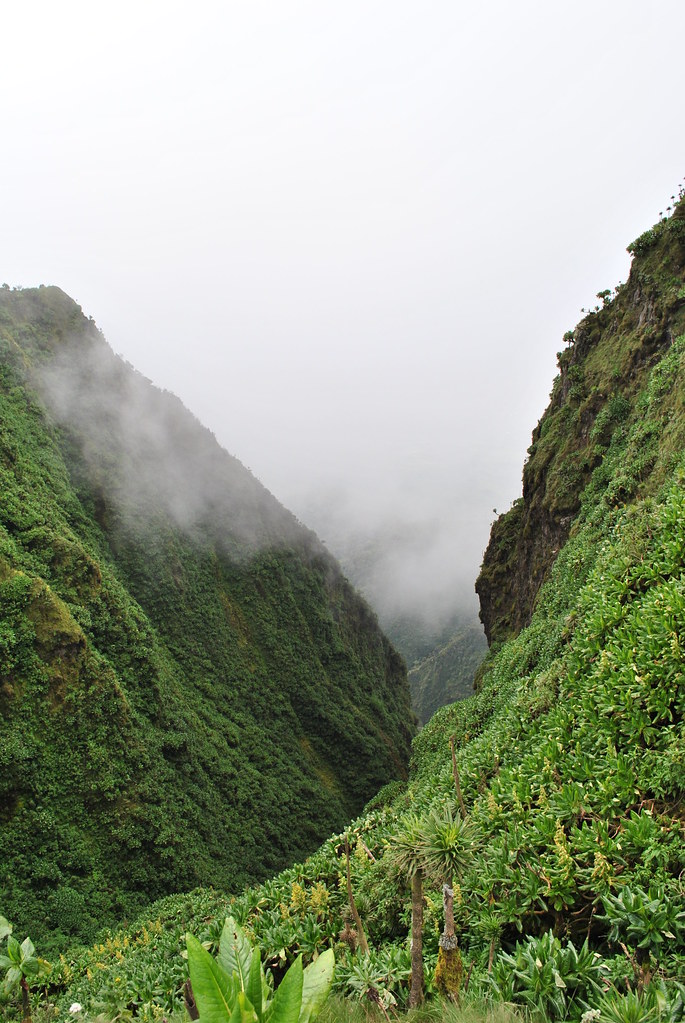
Mgahinga Climate
Mgahinga Climate
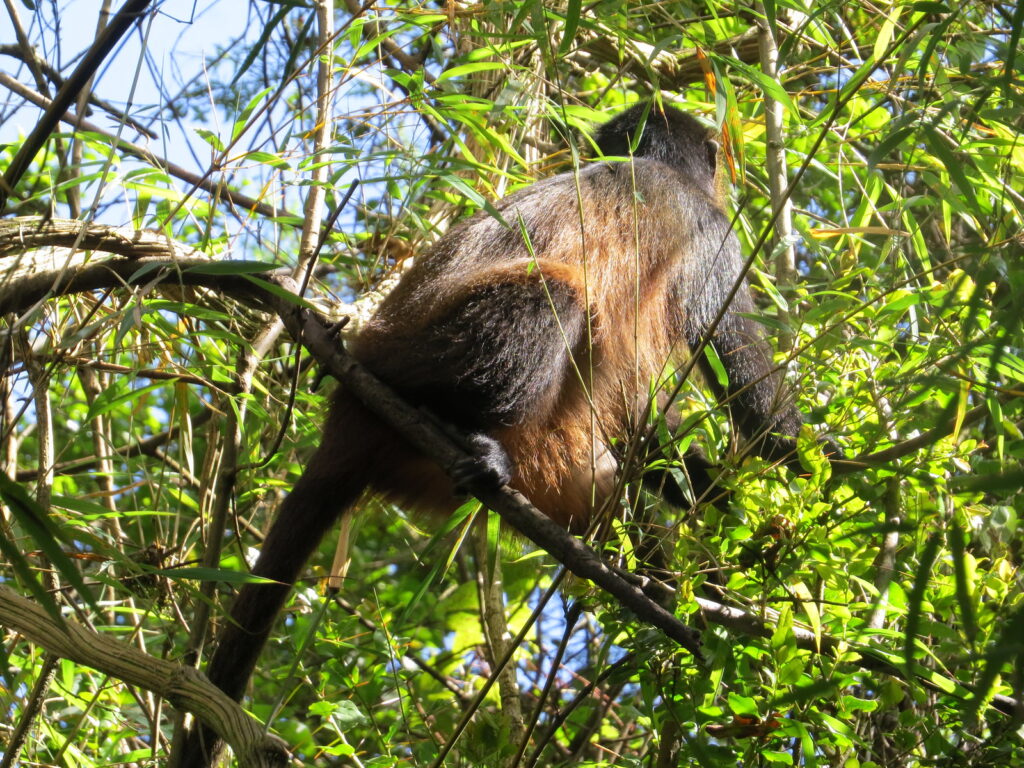
Mgahinga Geography & Geology
Mgahinga Geography & Geology
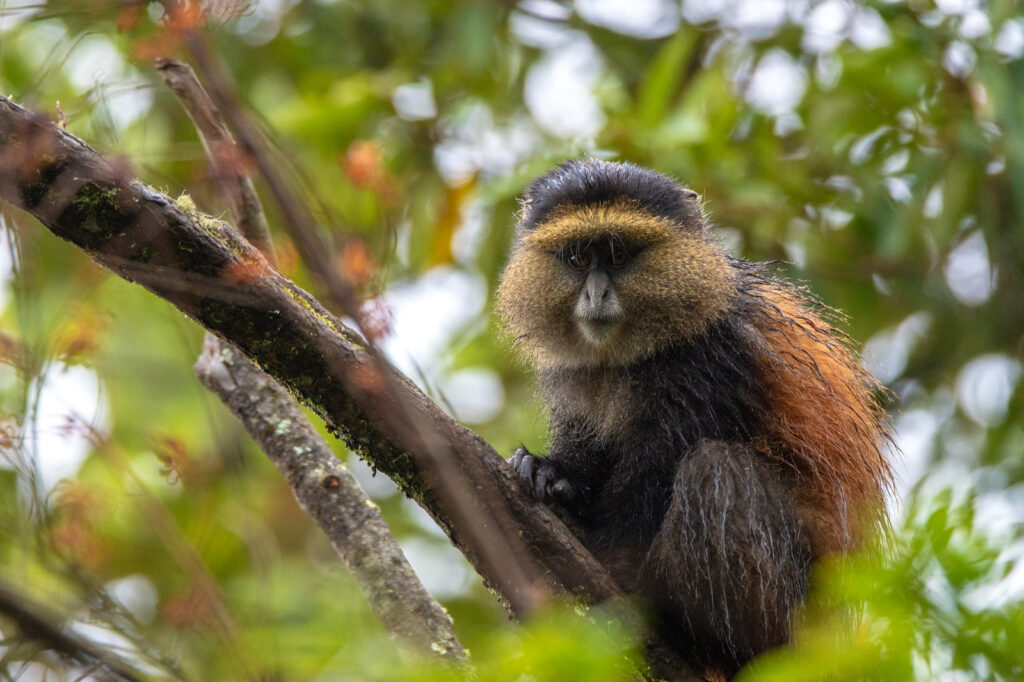
Mgahinga History
Mgahinga History
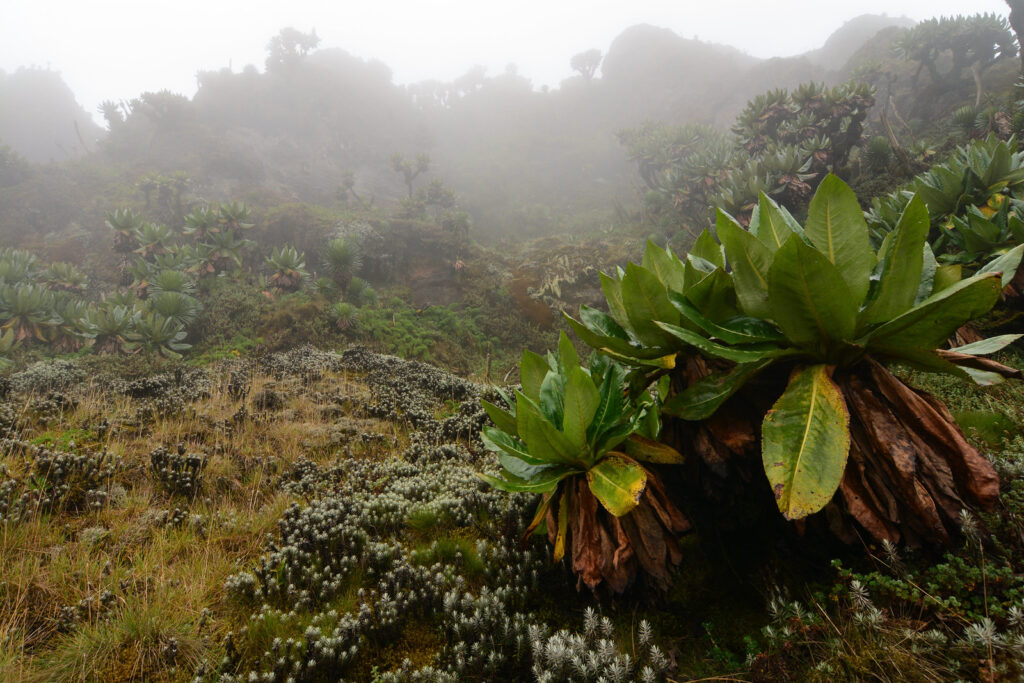
Mgahinga Vegetation
Mgahinga Vegetation
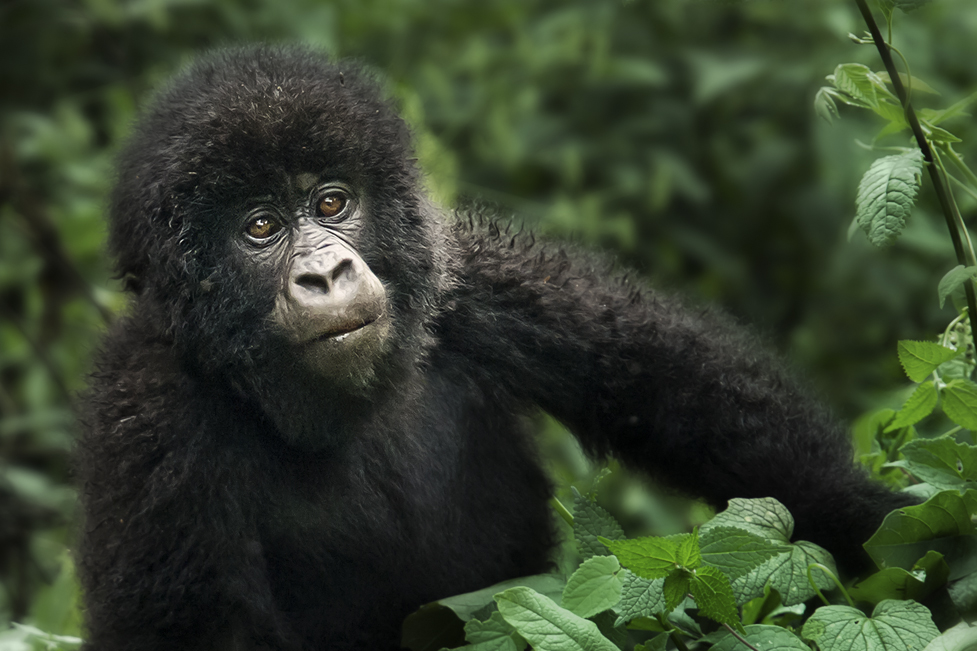
Ntebeko Visitor Centre
Ntebeko Visitor Centre
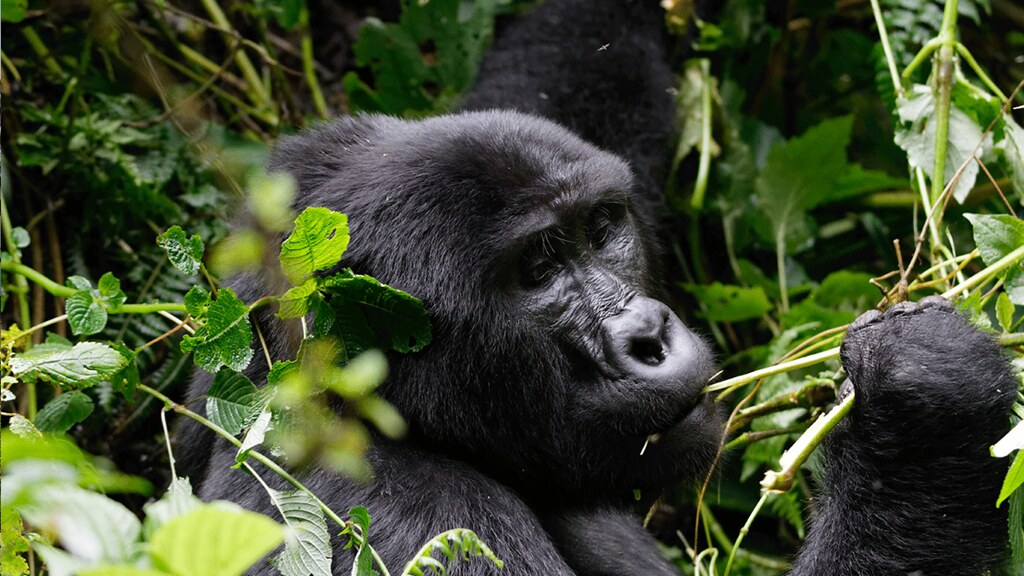
Mgahinga Biodiversity
Mgahinga Biodiversity
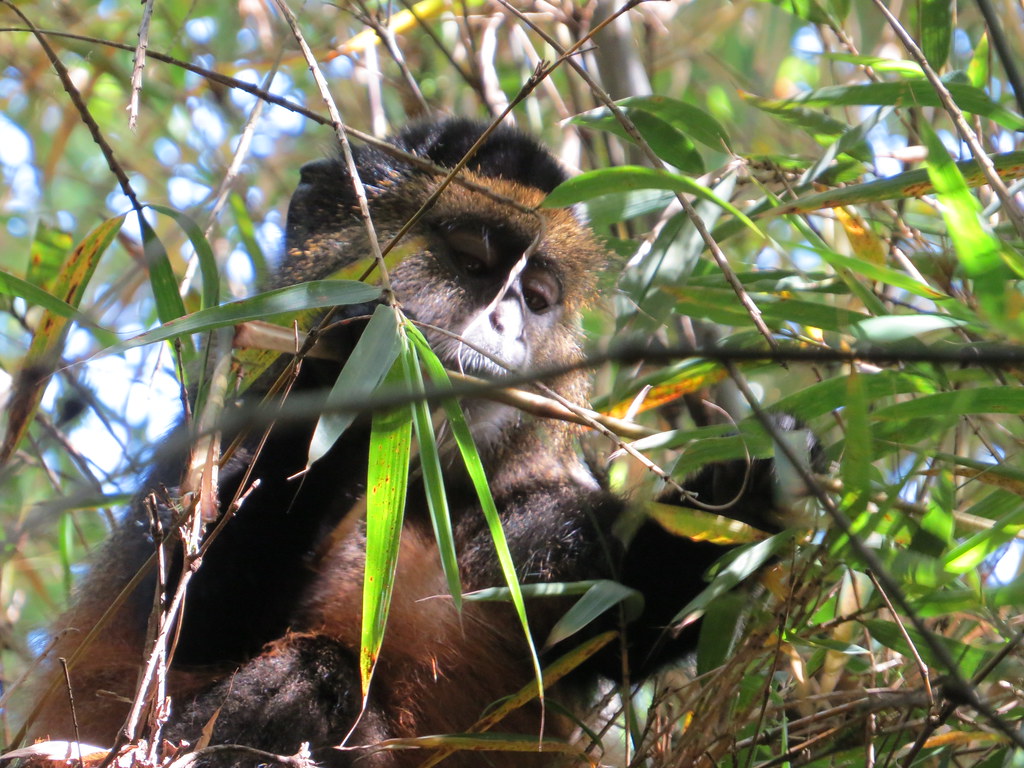
Mgahinga FAQs Information
Mgahinga FAQs Information
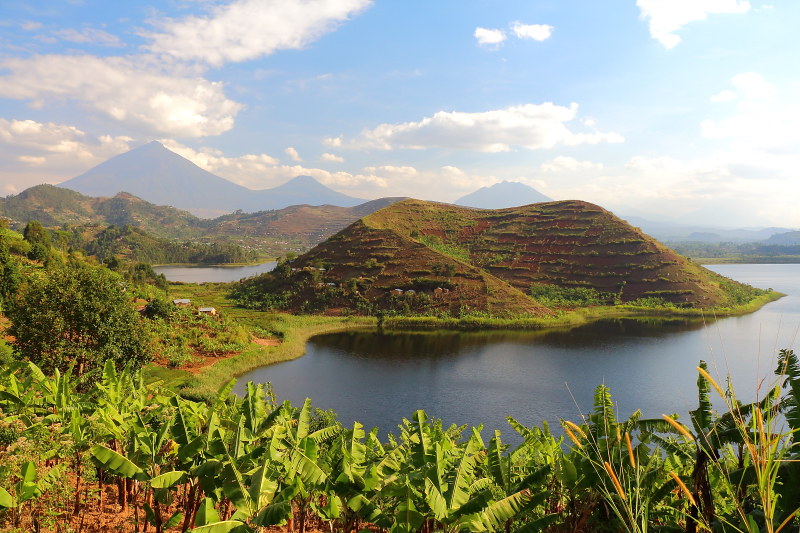
Getting There To Mgahinga
Getting There To Mgahinga
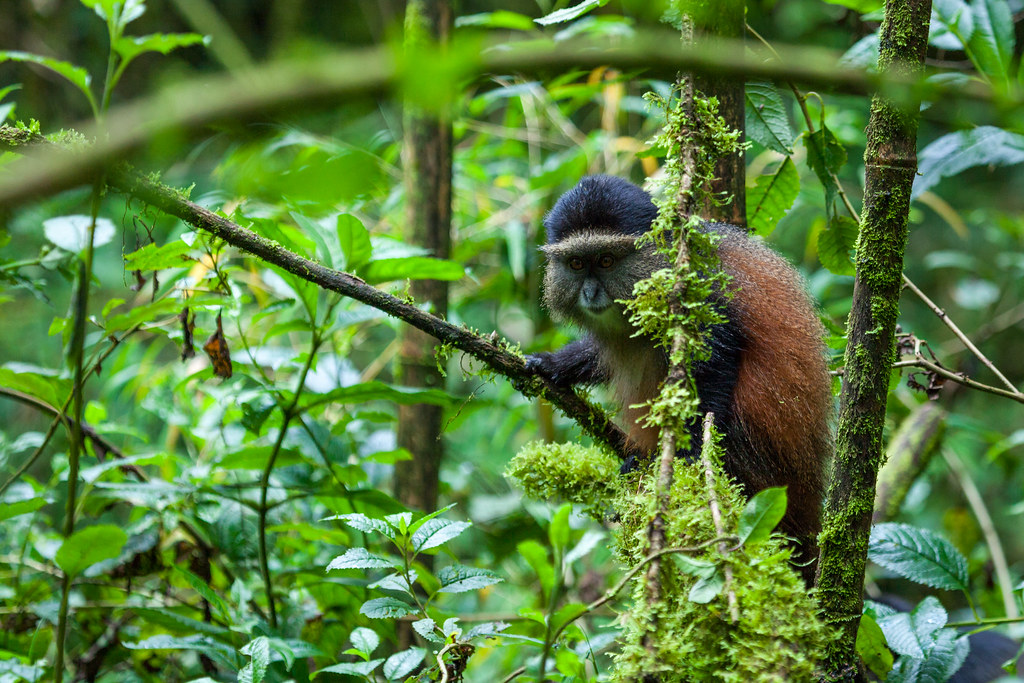
Mgahinga Location
Mgahinga Location
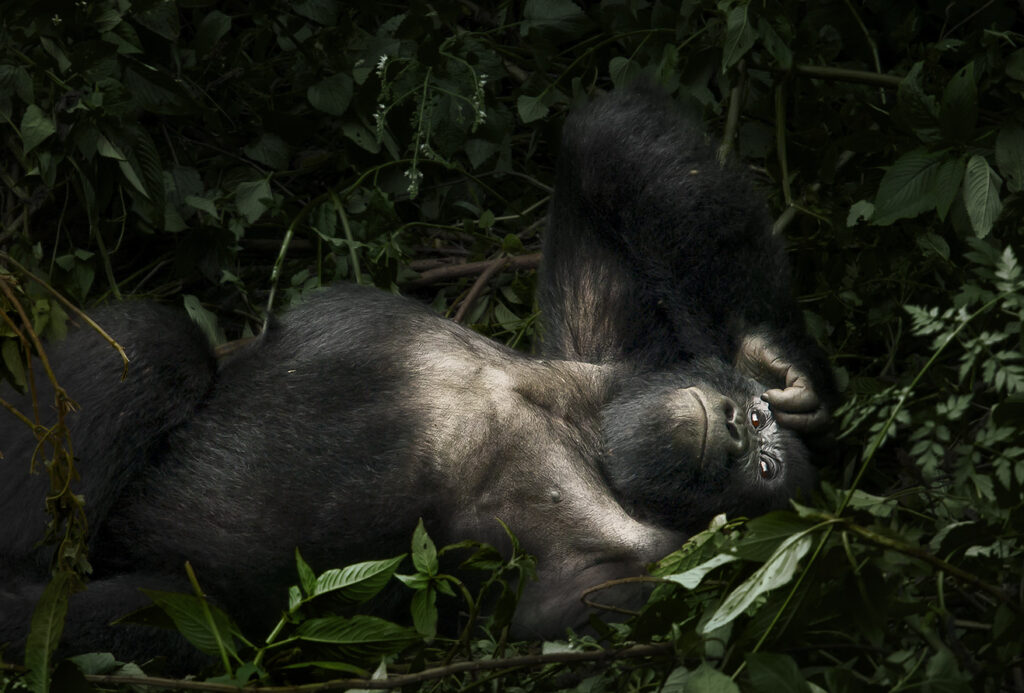
Mgahinga Altitude
Mgahinga Altitude
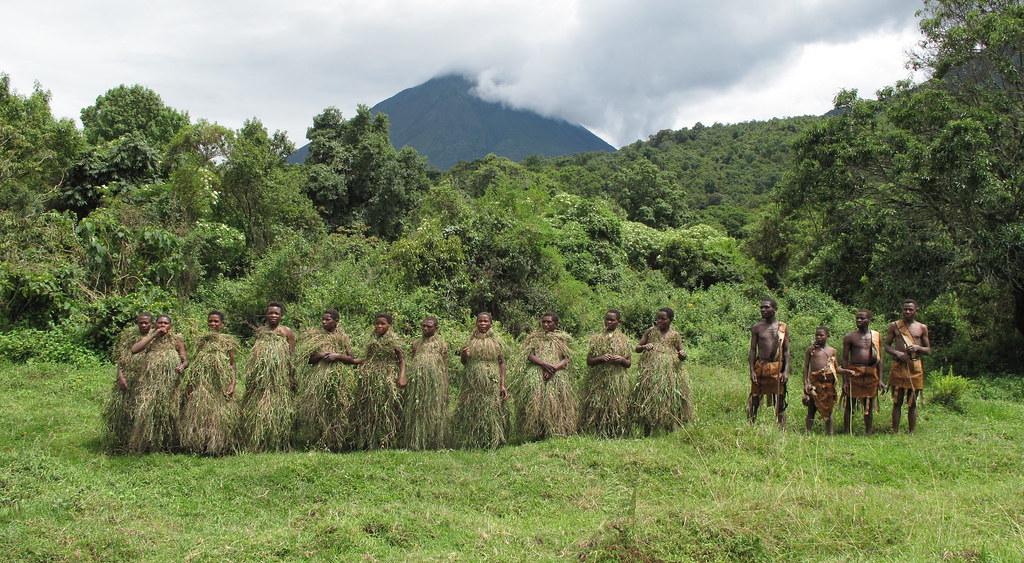
Batwa Trail
Batwa Trail
In the Realm of Giants – Bwindi & Mgahinga in Frames.
Wander through an elegant gallery capturing Uganda’s most exclusive gorilla sanctuaries, where ancient forests cradle the last mountain gorillas in a world of mist, mystery, and majesty.
Essential Planning Tips for Visiting Uganda’s National Parks.
Get ready for the wild heart of Africa with expert travel tips on when to visit, what to pack, where to go, and how to make the most of your safari across Uganda’s breathtaking national parks.
Why Uganda for Gorilla Trekking?
Uganda is not just a destination — it's the very soul of gorilla trekking. With over half of the world’s remaining mountain gorillas calling its misty forests home, Uganda offers the rarest encounters in their most authentic setting. Here, your journey is not rushed or crowded. Instead, you’re guided by experienced rangers through pristine jungles where gorillas live as they always have — wild, free, and magnificent
From insider travel insights to unforgettable trekking guides, our blog is your trusted path into Uganda’s wild heart — connecting you with mountain gorillas, breathtaking landscapes, and the soul-stirring adventures that make this land unlike any other.