

Where the soul of the forest whispers in the mist
Mgahinga Gorilla National Park, located in southwestern Uganda along the borders with Rwanda and the Democratic Republic of Congo, is one of the most remote and ecologically rich protected areas in the country. Its accessibility plays a critical role in both tourism and conservation efforts. Visitors can reach Mgahinga by road or air, with journeys offering spectacular scenic views of the rolling hills, terraced farmland, and volcanic peaks that dominate the landscape. Despite its remoteness, the park is increasingly accessible to travelers seeking unique wildlife experiences, particularly mountain gorilla trekking and golden monkey encounters.
Planning the journey to Mgahinga requires careful consideration of transport options, road conditions, and travel times. Most visitors start from Kampala, Uganda’s capital, or from regional hubs like Kabale or Kisoro. Road trips allow travelers to enjoy panoramic views of the Western Rift Valley, while air travel offers a quicker, though less scenic, route. The park’s location near the tri-national border also makes it possible for multi-country tours, combining visits to Volcanoes National Park in Rwanda and Virunga National Park in the DRC.
So lace up your boots, grab your camera, and prepare to meet the wild — this is where your gorilla trekking dreams and unforgettable safari adventures truly begin.
Truly Iconic Highlights in Uganda

Trek through Bwindi’s mystical rainforest and meet the endangered mountain gorillas in their breathtaking natural home.
Encounter mountain gorillas and golden monkeys on Mgahinga’s misty volcanic trails, where culture and alpine wildlife thrive together.
Unwind after your trek with a peaceful canoe ride across Lake Bunyonyi, Uganda’s most tranquil and scenic highland lake.
Enhance your gorilla trekking safari with an optional chimpanzee encounter in Uganda’s lush forests, adding depth and diversity to your primate adventure
A DETAILED GUIDE TO GETTING TO MGAHINGA
Traveling by road
Traveling by road is the most common and immersive way to reach Mgahinga. The journey from Kampala to Kisoro spans approximately 480 kilometers and typically takes 9 to 10 hours by car. Roads are generally paved up to Kabale, after which travelers encounter winding mountainous terrain leading to Kisoro town, the primary gateway to Mgahinga. The route offers expansive views of terraced hills, valleys, and local villages, providing visitors with a vivid introduction to Uganda’s southwestern landscape. From Kisoro, a short drive of 30 to 45 minutes brings travelers to Ntebeko Visitor Centre, the park’s main hub for orientation, permits, and trekking briefings.Visitors are advised to use 4×4 vehicles due to steep and uneven terrain, particularly during the rainy seasons when roads can become slippery and challenging. Road travel also provides flexibility, allowing stops for cultural experiences, photography, and visits to local markets. Many tour operators in Uganda incorporate Kisoro and Mgahinga into broader safari itineraries, often combining the road journey with nearby attractions such as Lake Bunyonyi or Batwa community villages. This route is favored by travelers seeking a balance of adventure, scenery, and cultural immersion.
Traveling by air
For those with limited time or preferring convenience, air travel is the fastest way to reach Mgahinga. Charter flights depart from Entebbe International Airport or Kajjansi Airfield, landing at Kisoro Airstrip, located approximately 15 kilometers from the park entrance. Aircraft are typically small, accommodating 6–12 passengers, and provide panoramic views of Uganda’s rolling hills, volcanic peaks, and patchwork farmland. Air travel reduces journey time dramatically, cutting the road trip from nearly ten hours to roughly one hour.Upon arrival, travelers are transferred by road to Ntebeko Visitor Centre for registration, orientation, and permit collection. This option is particularly suited to luxury travelers, those with tight safari schedules, or visitors prioritizing comfort and efficiency. Flying offers an unparalleled perspective of the southwestern landscape while allowing travelers to preserve energy for trekking and other park activities.
Border crossings and multi-country itineraries
Mgahinga’s strategic location along the borders of Rwanda and the Democratic Republic of Congo makes it an ideal starting point for multi-country safari experiences. Visitors can combine gorilla trekking in Uganda with excursions to Rwanda’s Volcanoes National Park or the DRC’s Virunga National Park, experiencing gorillas in different habitats and exploring diverse cultural landscapes. Such itineraries require careful planning, including visas, travel permits, and coordination with park authorities across borders.
Cross-border travel also demands awareness of road conditions and local regulations, which may vary between countries. Guided tours and reputable operators help navigate these logistical challenges, ensuring that transportation, permits, and accommodations are seamlessly arranged. Multi-country safaris offer unique opportunities for extended wildlife observation, cultural engagement, and exposure to the broader conservation landscape of the Virunga region.
Road conditions and travel tips
Roads within the Kisoro-Mgahinga corridor are mountainous and can be affected by rainfall, particularly during the wet seasons of March–May and September–November. Travelers are advised to use high-clearance vehicles and to anticipate possible delays caused by weather or terrain. Practical travel tips include starting journeys early in the day, carrying sufficient water and snacks, and wearing comfortable clothing suitable for mountain conditions. Local guides provide vital advice on the safest routes, scenic viewpoints, and estimated travel times, enhancing both safety and enjoyment.
Travelers should also carry small amounts of local currency for tolls, parking fees, and minor expenses en route. Attention to these details ensures smooth travel and allows visitors to focus on the scenic and cultural experiences along the journey.
Public transport options
While private vehicles and tour operators are the most common means of reaching Mgahinga, public transport options such as buses or minibuses are available from Kampala to Kabale and Kisoro. These are cost-effective but less comfortable and slower, often taking 12–14 hours due to frequent stops. Travelers using public transport may need to plan overnight stays in Kabale or Kisoro to break up the journey. Coordination with park schedules is essential, particularly for gorilla trekking permits, which are time-sensitive. Careful timing ensures that visitors can participate in trekking and guided activities without logistical complications.
Accommodation near Mgahinga
Planning accommodation near the park entrance is essential for maximizing time spent in Mgahinga. Lodging options range from budget guesthouses in Kisoro to luxury lodges within or near the park, many of which offer stunning views of the Virunga volcanic range. Staying nearby allows early morning access for gorilla trekking, golden monkey tracking, and other guided activities. Many lodges also offer cultural programs, scenic viewpoints, and walking tours, enhancing the overall visitor experience. Advance booking is highly recommended, particularly during peak trekking seasons from June to September and December to February.
Travel preparation and safety
Visitors to Mgahinga should prepare for mountain and tropical conditions by carrying appropriate gear, including hiking shoes, rain jackets, layered clothing, insect repellent, hydration supplies, and any necessary medications. Identification and trekking permits must be carried at all times. Safety considerations include navigating steep slopes, uneven trails, and high-altitude conditions. Traveling with experienced guides ensures adherence to park regulations, minimizes risks, and allows visitors to focus on wildlife observation and landscape appreciation.
Ecological considerations during travel
Responsible travel is crucial for preserving Mgahinga’s biodiversity and ecological integrity. Visitors should minimize waste, avoid disturbing wildlife, and respect park regulations throughout their journey. Sustainable travel practices, whether by road, air, or multi-country itineraries, contribute to long-term conservation objectives while enhancing the quality of the visitor experience. Awareness of ecological impacts ensures that future generations can enjoy the same pristine environments and rich wildlife encounters that make Mgahinga a world-class destination.
More Mgahinga Information to Know.
Mgahinga Gorilla National Park is a compact, high-altitude park in southwestern Uganda, defined by dramatic volcanic mountains and afro-montane forest. Its cool climate, rare vegetation, golden monkey habitat, rich cultural heritage, and strong conservation focus make it a unique and rewarding destination for primate and nature experiences.
Mgahinga Climate
Mgahinga Climate
Mgahinga Geography & Geology
Mgahinga Geography & Geology
Mgahinga History
Mgahinga History
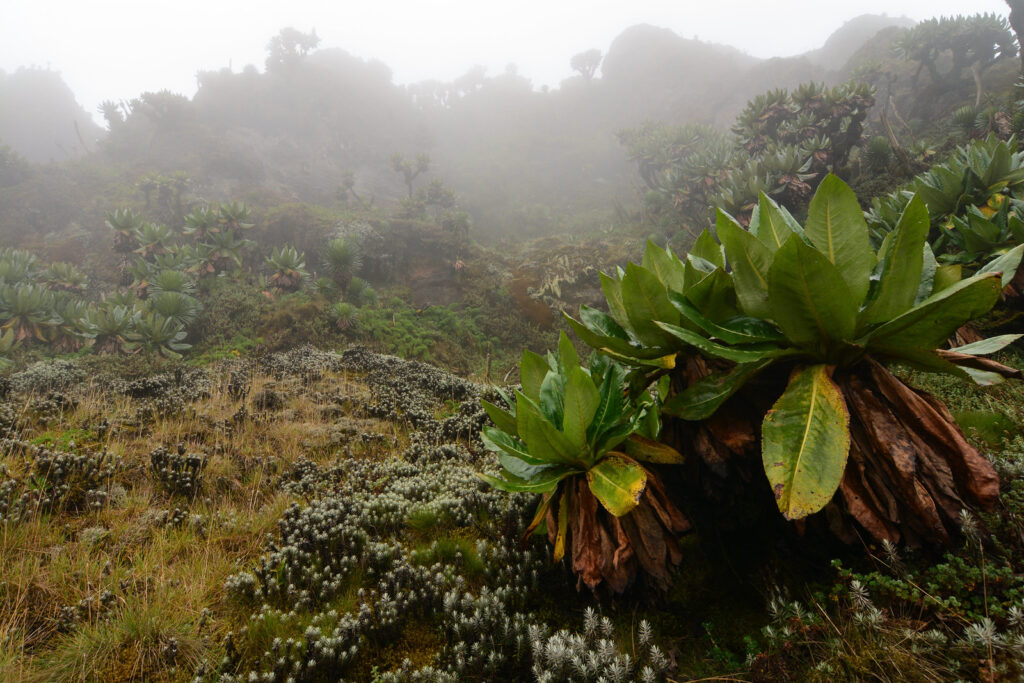
Mgahinga Vegetation
Mgahinga Vegetation
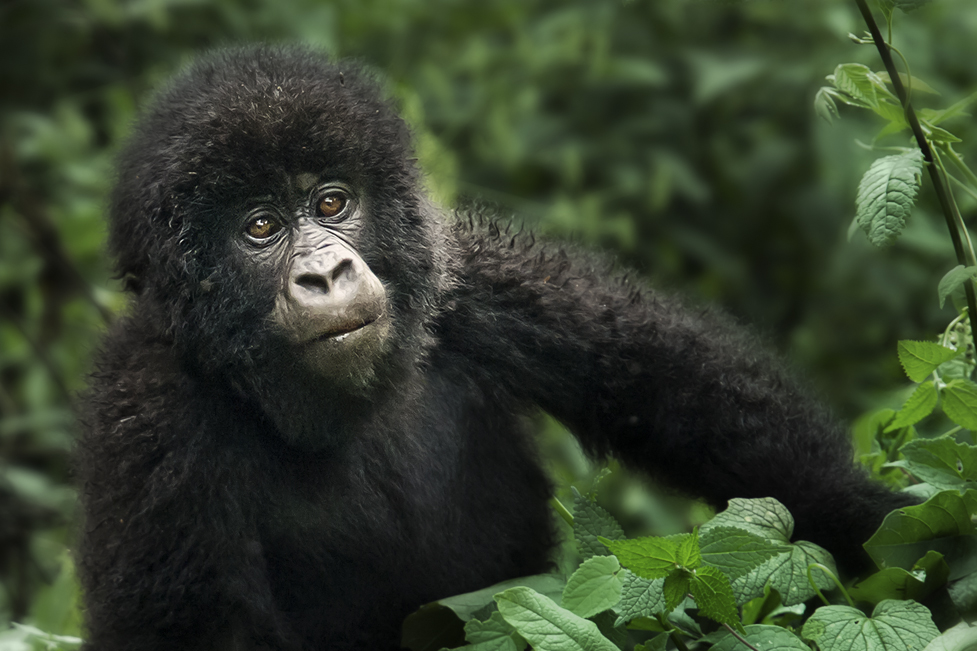
Ntebeko Visitor Centre
Ntebeko Visitor Centre
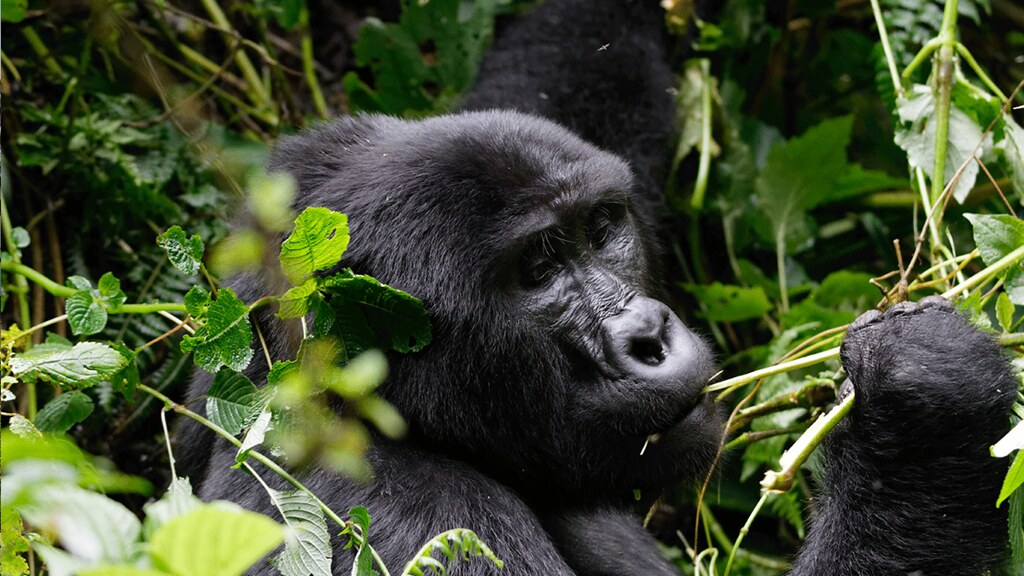
Mgahinga Biodiversity
Mgahinga Biodiversity
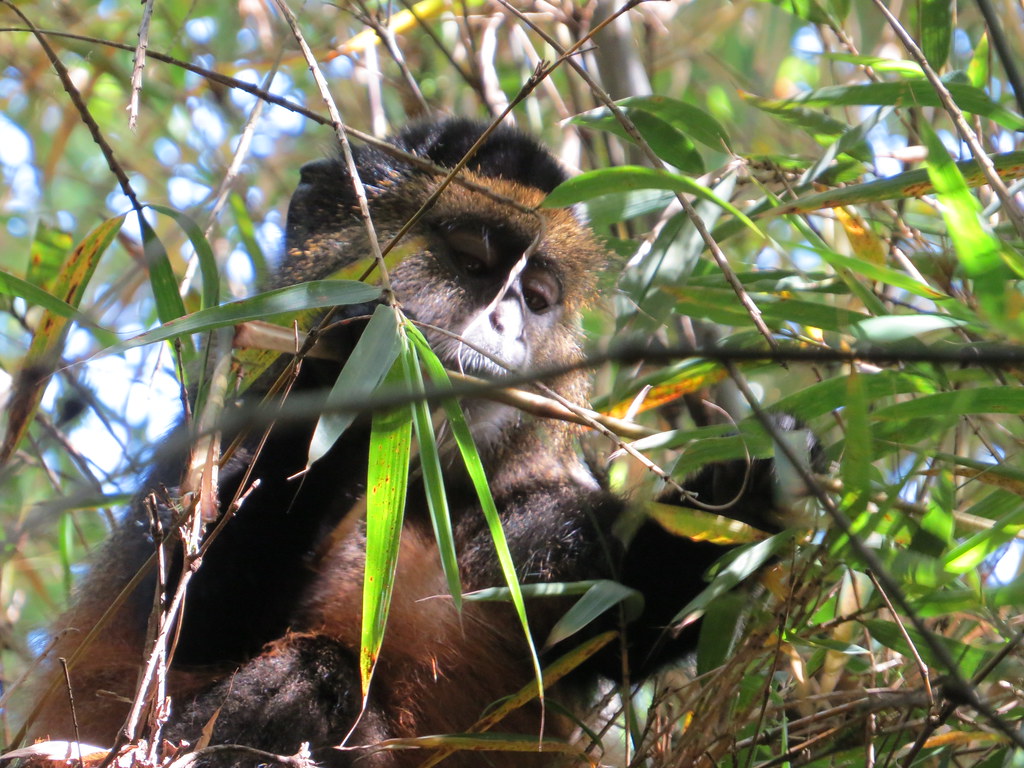
Mgahinga FAQs Information
Mgahinga FAQs Information
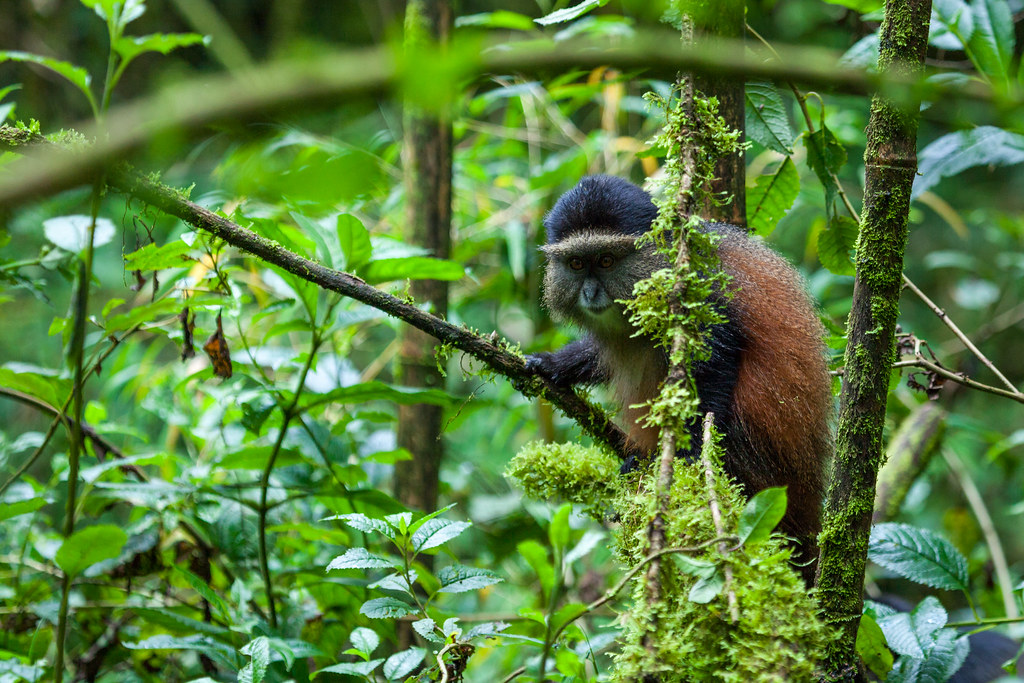
Mgahinga Location
Mgahinga Location
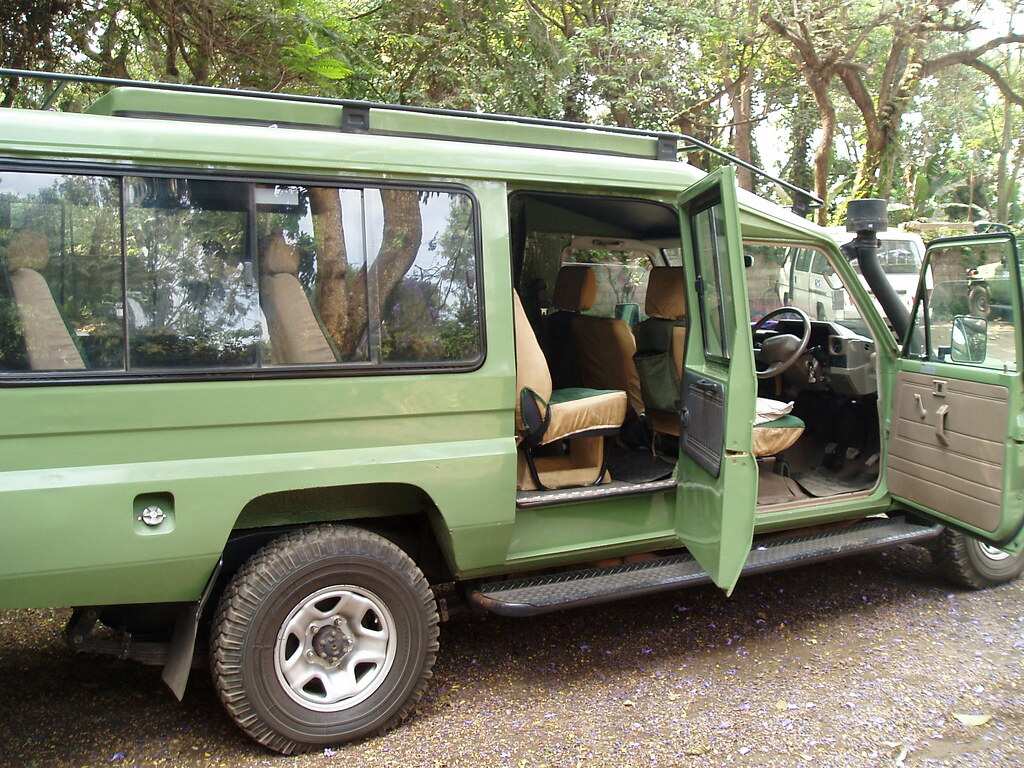
Self Drive
Self Drive
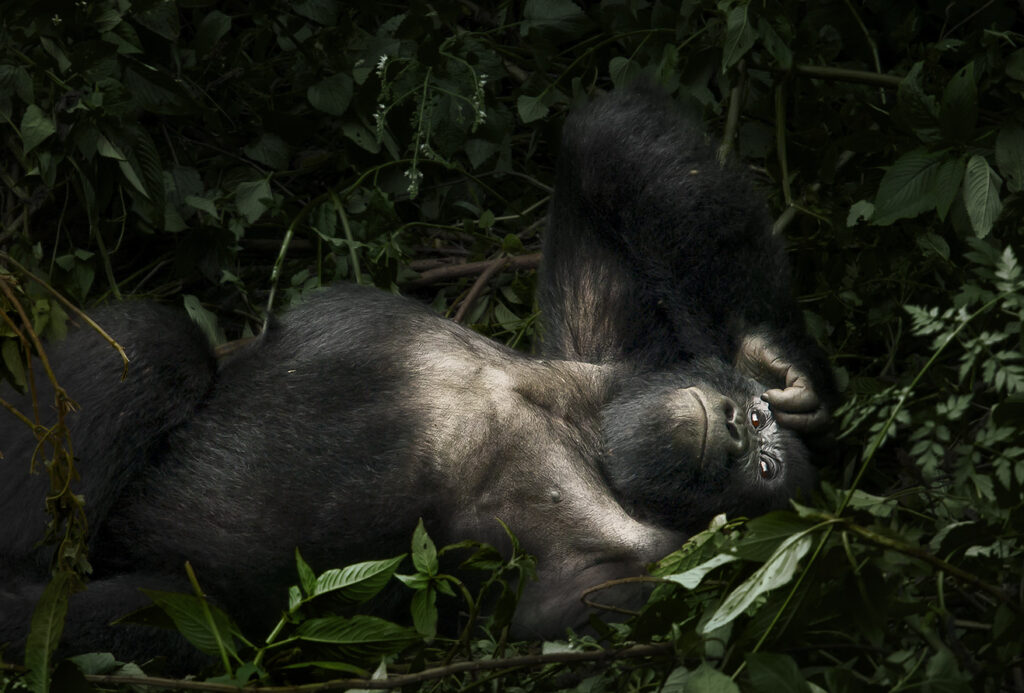
Mgahinga Altitude
Mgahinga Altitude
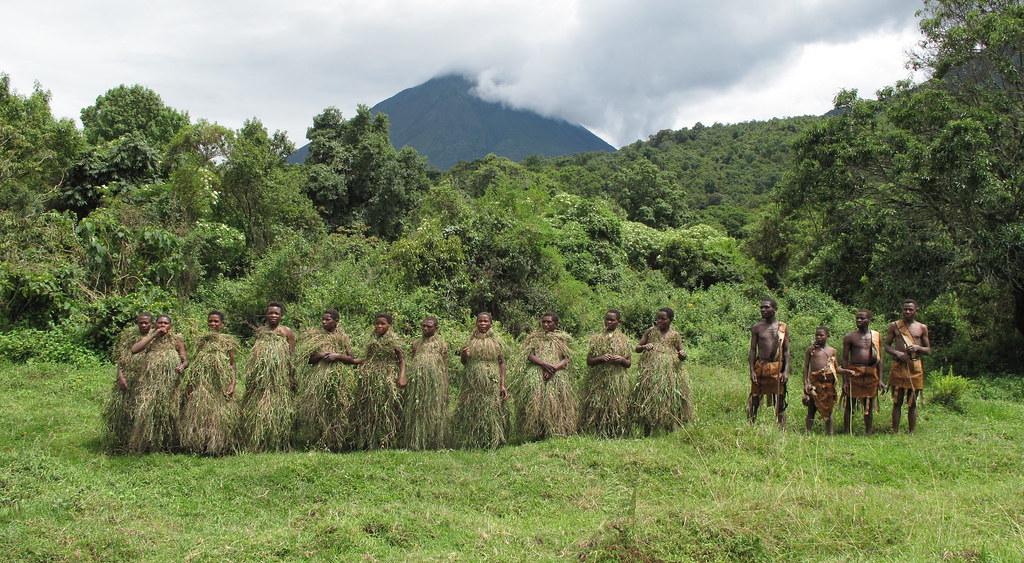
Batwa Trail
Batwa Trail
In the Realm of Giants – Bwindi & Mgahinga in Frames.
Wander through an elegant gallery capturing Uganda’s most exclusive gorilla sanctuaries, where ancient forests cradle the last mountain gorillas in a world of mist, mystery, and majesty.
Essential Planning Tips for Visiting Uganda’s National Parks.
Get ready for the wild heart of Africa with expert travel tips on when to visit, what to pack, where to go, and how to make the most of your safari across Uganda’s breathtaking national parks.
Why Uganda for Gorilla Trekking?
Uganda is not just a destination — it's the very soul of gorilla trekking. With over half of the world’s remaining mountain gorillas calling its misty forests home, Uganda offers the rarest encounters in their most authentic setting. Here, your journey is not rushed or crowded. Instead, you’re guided by experienced rangers through pristine jungles where gorillas live as they always have — wild, free, and magnificent
From insider travel insights to unforgettable trekking guides, our blog is your trusted path into Uganda’s wild heart — connecting you with mountain gorillas, breathtaking landscapes, and the soul-stirring adventures that make this land unlike any other.