

Where the soul of the forest whispers in the mist
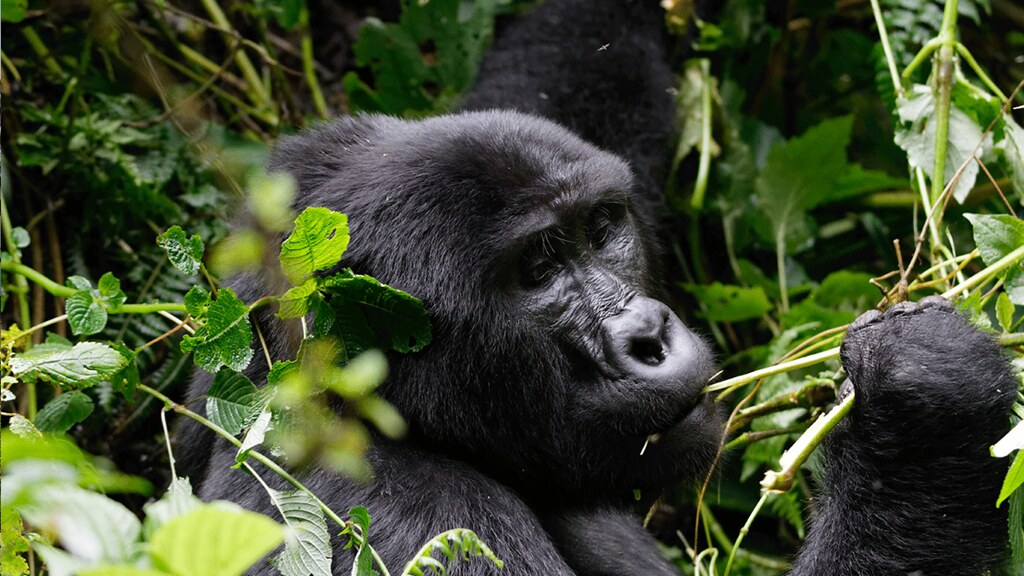
Mgahinga Gorilla National Park is home to one of Uganda’s most diverse and ecologically significant vegetation systems. The park’s vegetation is largely shaped by its unique geography, volcanic soils, and altitudinal gradient, ranging from lush montane forests in the lower slopes to bamboo belts at mid-altitudes and afro-alpine vegetation near the volcanic peaks. Despite its small size, Mgahinga encompasses a remarkable variety of plant communities that provide critical habitats for endangered species such as mountain gorillas and golden monkeys, as well as numerous endemic birds, reptiles, and insects.
The park’s vegetation reflects a delicate balance between ecological processes and climatic conditions. High rainfall, frequent mist, and fertile volcanic soils support dense forests and grasslands, while steep slopes and rugged terrain create isolated microhabitats. These factors combine to produce a mosaic of plant communities, each adapted to specific altitudes, soils, and moisture levels. Understanding Mgahinga’s vegetation is essential for appreciating its biodiversity and the ecological interactions that sustain its unique wildlife.
So lace up your boots, grab your camera, and prepare to meet the wild — this is where your gorilla trekking dreams and unforgettable safari adventures truly begin.
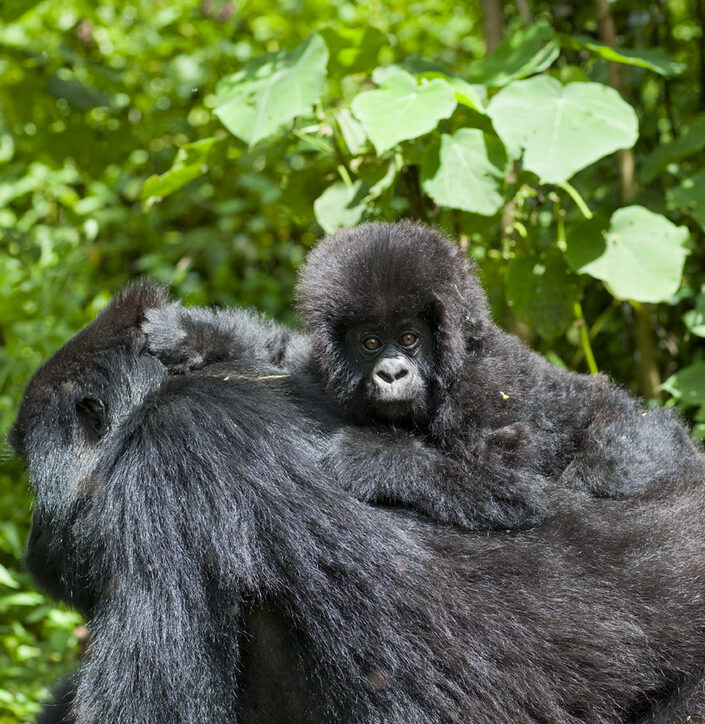
Truly Iconic Highlights in Uganda

Trek through Bwindi’s mystical rainforest and meet the endangered mountain gorillas in their breathtaking natural home.
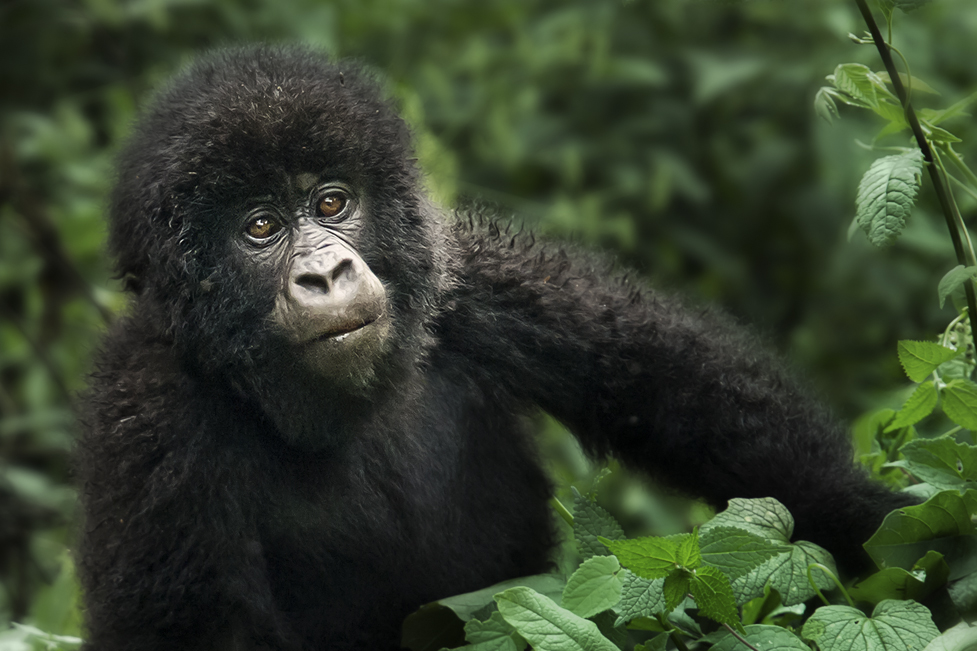
Encounter mountain gorillas and golden monkeys on Mgahinga’s misty volcanic trails, where culture and alpine wildlife thrive together.
Unwind after your trek with a peaceful canoe ride across Lake Bunyonyi, Uganda’s most tranquil and scenic highland lake.
Enhance your gorilla trekking safari with an optional chimpanzee encounter in Uganda’s lush forests, adding depth and diversity to your primate adventure
A DETAILED STUDY OF MGAHINGA’S VEGETATION
Lower montane forests
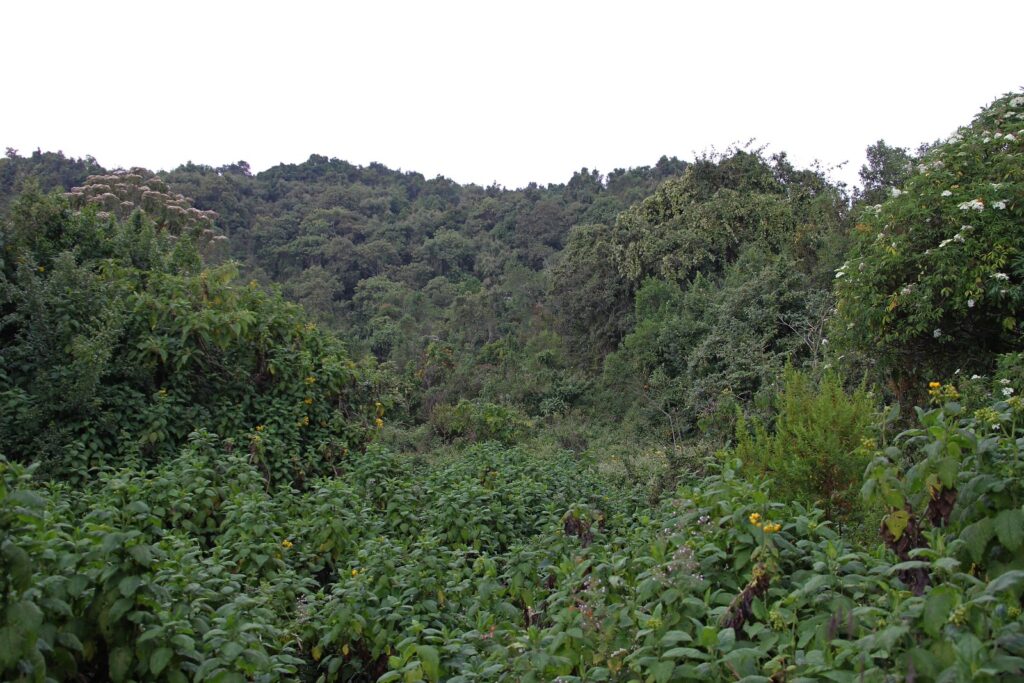
At the park’s lower elevations, dense montane forests dominate, thriving on fertile volcanic soils and receiving high annual rainfall. These forests are characterized by tall hardwood trees, lianas, and an understory of shrubs and ferns. Tree species such as Podocarpus, Olea, and Schefflera are common, forming dense canopies that regulate temperature and moisture within the forest.Lower montane forests provide critical habitats for wildlife, including birds, primates, and small mammals. The dense canopy and understory vegetation create ideal conditions for feeding, nesting, and shelter. This forest zone also plays a crucial role in soil stabilization and water retention, preventing erosion on the steep volcanic slopes and maintaining the hydrological balance of the park.
Bamboo forests
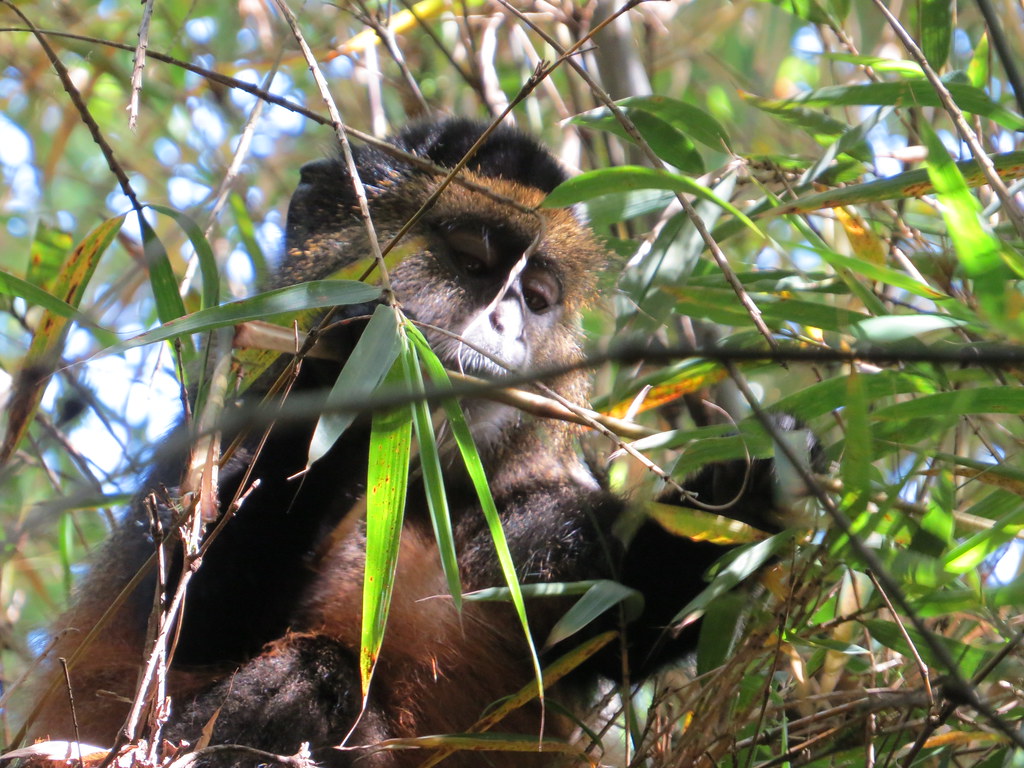
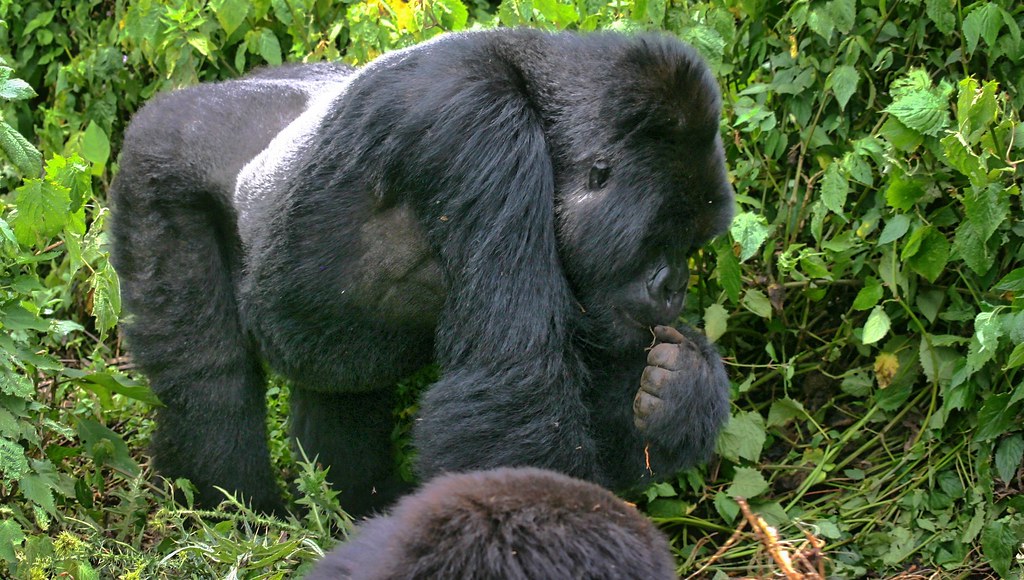
Mid-altitude slopes in Mgahinga are dominated by extensive bamboo forests, primarily consisting of the giant bamboo species Yushania alpina. Bamboo thrives in nutrient-rich volcanic soils and cooler temperatures, forming dense thickets that can reach heights of 15 meters or more. These bamboo belts are critical for the survival of both mountain gorillas and golden monkeys, which rely on bamboo shoots as a primary food source during certain seasons.Bamboo forests also serve important ecological functions, including soil stabilization, water regulation, and providing habitats for numerous bird and insect species. Their dense structure offers protection and breeding grounds for wildlife while maintaining connectivity between montane forests and afro-alpine zones, allowing species to move along altitudinal gradients safely.
Afro-alpine vegetation
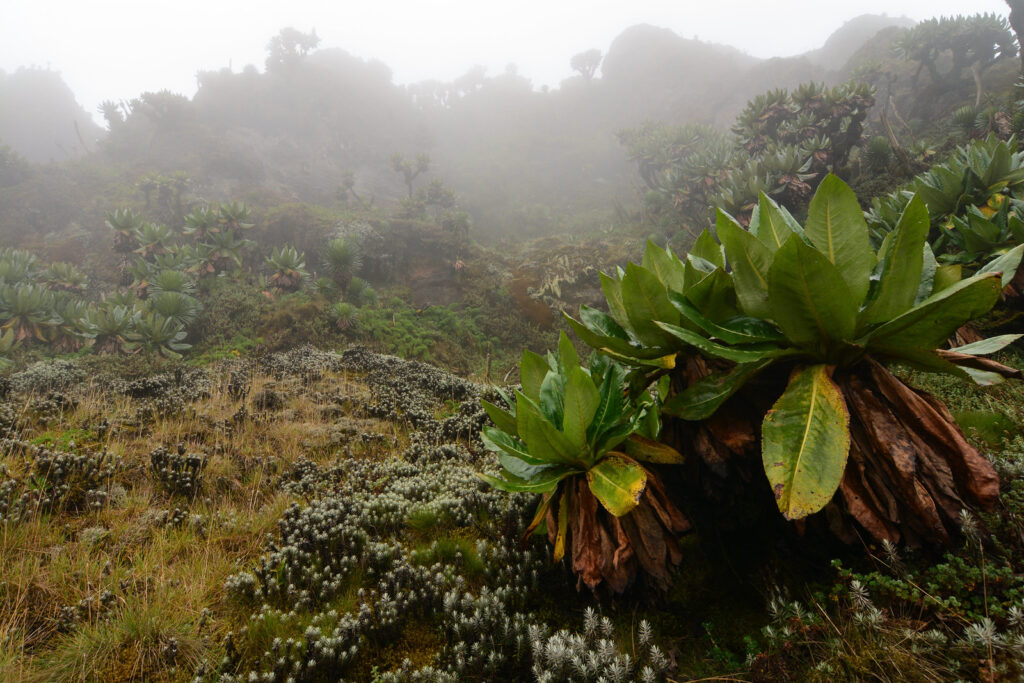
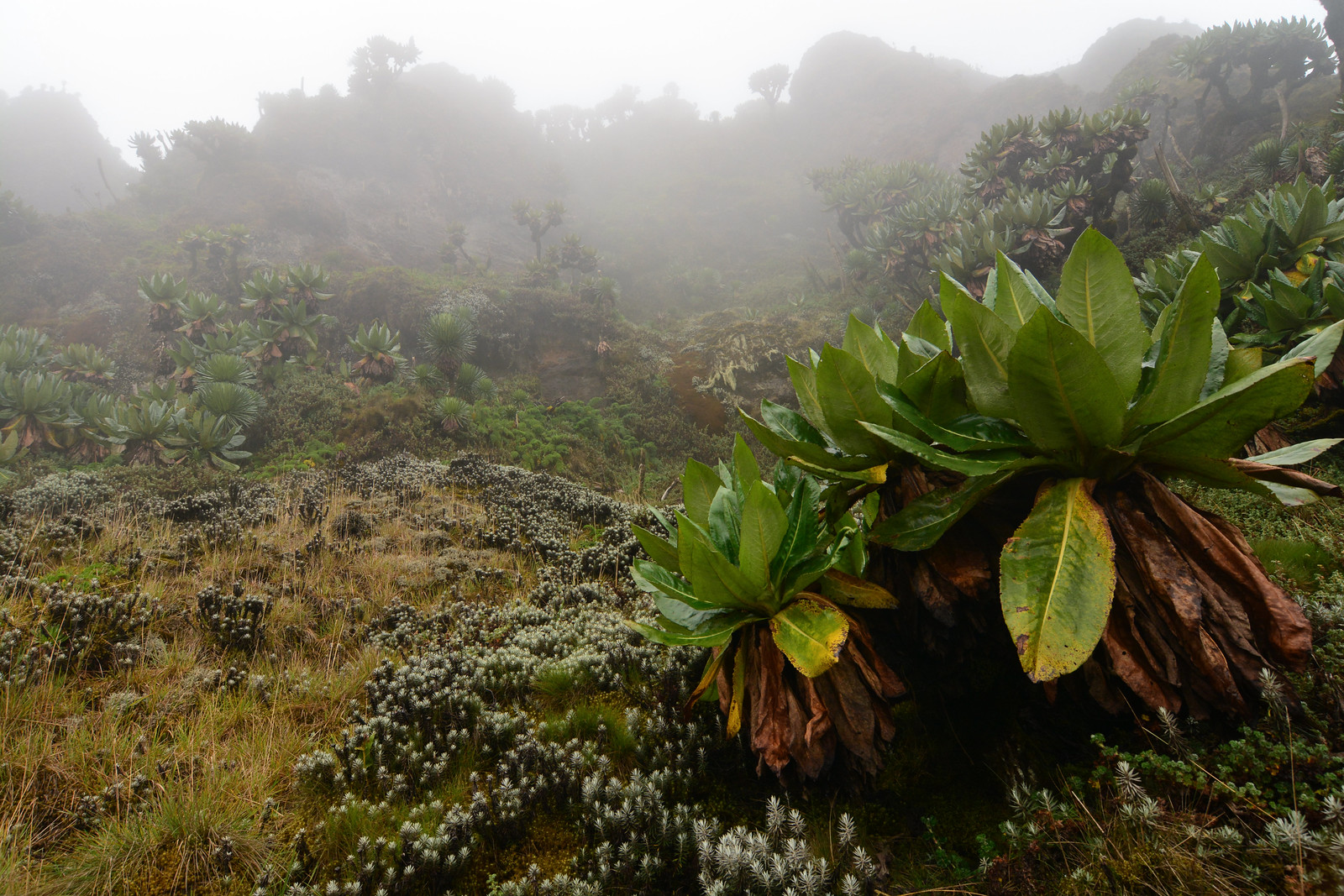
The highest peaks of Mgahinga, including Mount Muhabura, Mount Gahinga, and Mount Sabyinyo, are covered with afro-alpine vegetation, adapted to harsh climatic conditions such as low temperatures, strong winds, and poor soils. This zone includes tussock grasses, giant lobelias, heathers, and specialized shrubs that can survive extreme weather. Afro-alpine plants are highly resilient, exhibiting slow growth rates, water retention adaptations, and structural forms designed to withstand frost and wind.Afro-alpine vegetation provides unique ecological niches for wildlife adapted to high altitudes. Although fewer large mammals inhabit this zone compared to lower slopes, it supports endemic insects, birds, and specialized plant communities. These vegetation types contribute to the park’s overall biodiversity and ecological complexity.
Wetlands and swamps
Mgahinga’s crater basins, particularly within Mount Gahinga, feature wetlands and swampy areas that support hydrophilic plant species, including sedges, reeds, and moisture-loving grasses. These wetlands act as natural water reservoirs, regulating water flow during heavy rains and supplying moisture to surrounding forests.Wetlands also enhance biodiversity, offering habitats for amphibians, birds, and insects. They form critical ecological buffers that maintain soil fertility and support seasonal water-dependent plant species. Their presence illustrates how topography and hydrology interact with vegetation patterns in Mgahinga.
Vegetation zonation and ecological interactions
The altitudinal gradient in Mgahinga creates distinct vegetation zones stacked vertically, from montane forests to bamboo belts and afro-alpine communities. Each zone is influenced by temperature, rainfall, soil depth, and slope steepness. This vertical zoning allows species to find suitable habitats across a compact area, increasing biodiversity density within the park.Vegetation zones are interconnected through ecological interactions, such as food webs and habitat connectivity. Mountain gorillas, golden monkeys, birds, and small mammals depend on these zones for feeding, nesting, and migration. Changes in one vegetation type, due to climate shifts or human activities, can therefore affect multiple species, highlighting the importance of preserving all plant communities within Mgahinga.
Human influence and conservation
Historically, local communities practiced limited farming and forest use, but most activities were sustainable due to traditional knowledge and cultural norms. With the establishment of Mgahinga National Park, human influence within the core conservation areas was minimized, allowing vegetation to recover in degraded zones. Conservation initiatives now focus on protecting bamboo forests, afro-alpine zones, and montane forests, ensuring the ecological integrity of the park.Modern conservation strategies also involve ecological monitoring, habitat restoration, and community engagement to maintain vegetation health. Sustainable tourism, particularly gorilla trekking, generates revenue that supports both vegetation conservation and local livelihoods. This integrated approach ensures that Mgahinga’s plant communities continue to support biodiversity while contributing to the region’s socio-economic development.
Importance of mgahinga’s vegetation
Mgahinga’s vegetation is not only crucial for wildlife survival but also for regional ecological stability and climate regulation. Forests and bamboo belts capture carbon, stabilize soils, and influence local rainfall patterns. They serve as corridors for wildlife movement and protect water catchments that feed rivers extending beyond the park’s boundaries.The park’s plant diversity also has scientific and educational value, providing opportunities for ecological research, biodiversity studies, and conservation education. Understanding Mgahinga’s vegetation helps scientists and park managers make informed decisions about habitat protection, climate resilience, and sustainable tourism development, ensuring the park remains a vibrant ecological haven for generations to come.
More Mgahinga Information to Know.
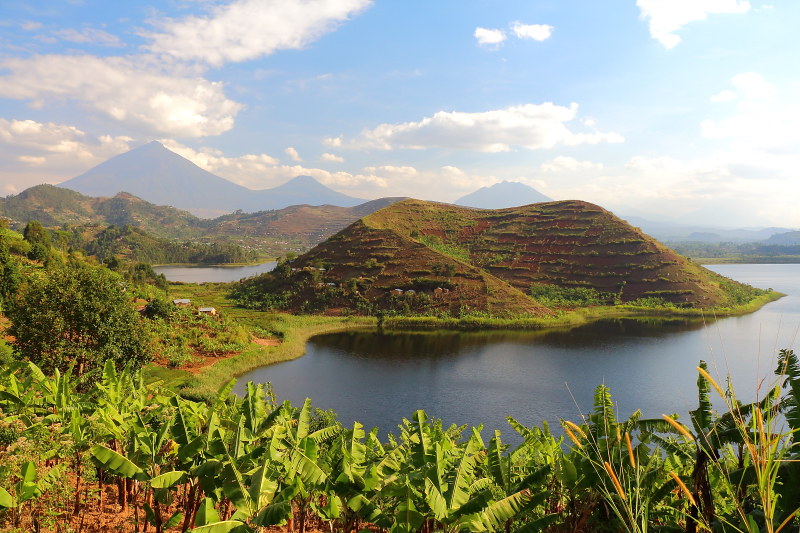
Mgahinga Gorilla National Park is a compact, high-altitude park in southwestern Uganda, defined by dramatic volcanic mountains and afro-montane forest. Its cool climate, rare vegetation, golden monkey habitat, rich cultural heritage, and strong conservation focus make it a unique and rewarding destination for primate and nature experiences.
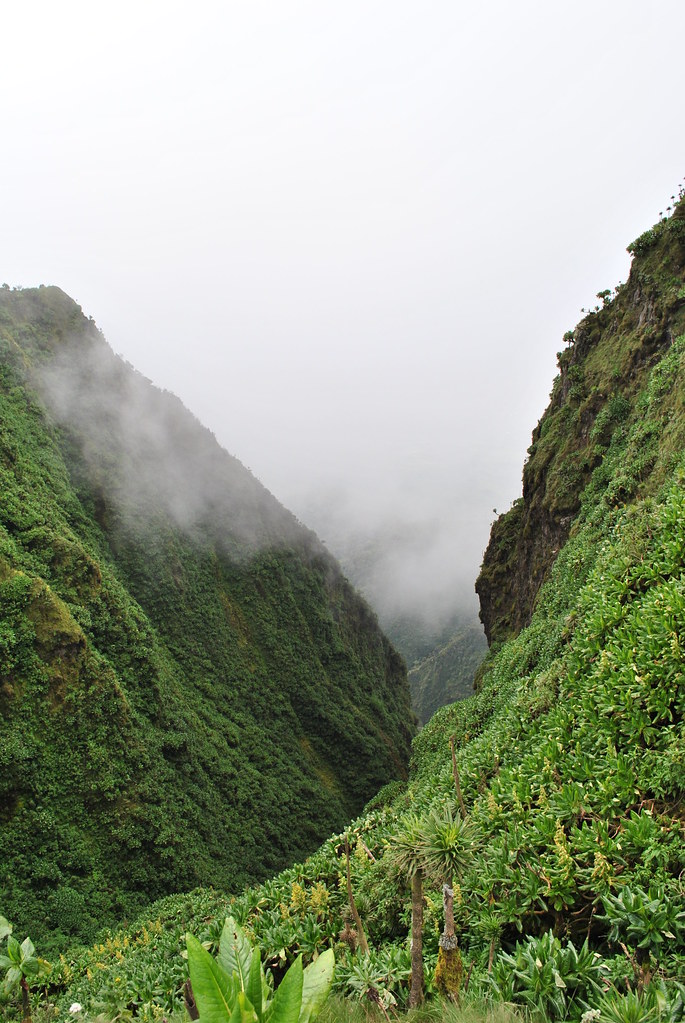
Mgahinga Climate
Mgahinga Climate
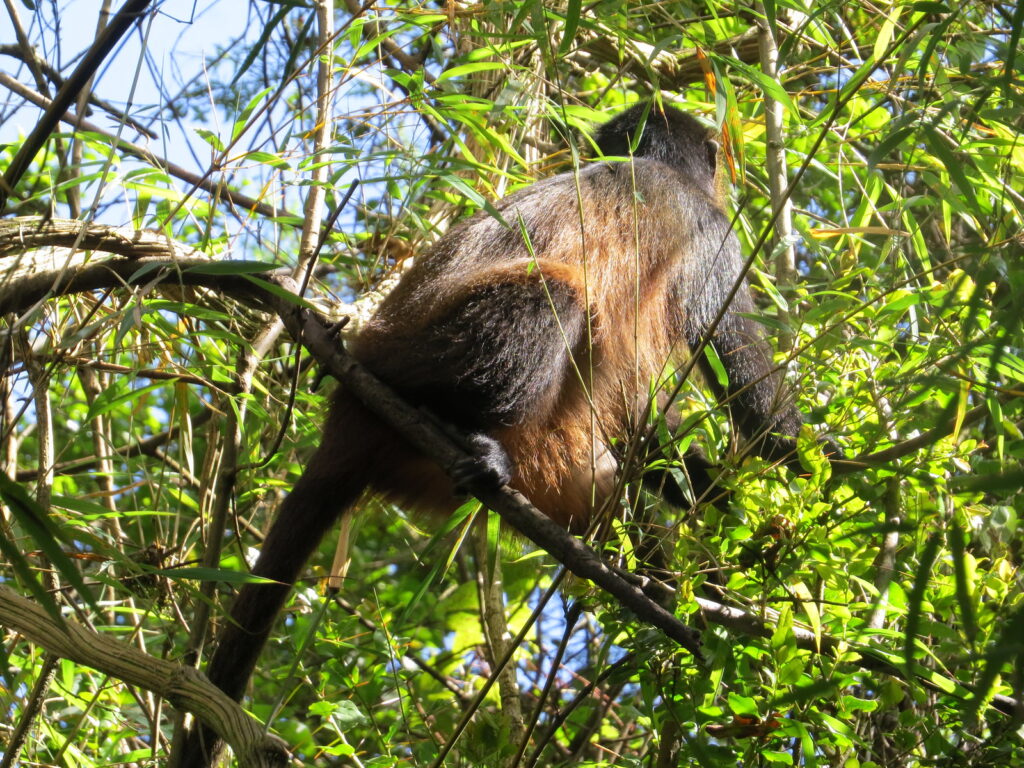
Mgahinga Geography & Geology
Mgahinga Geography & Geology
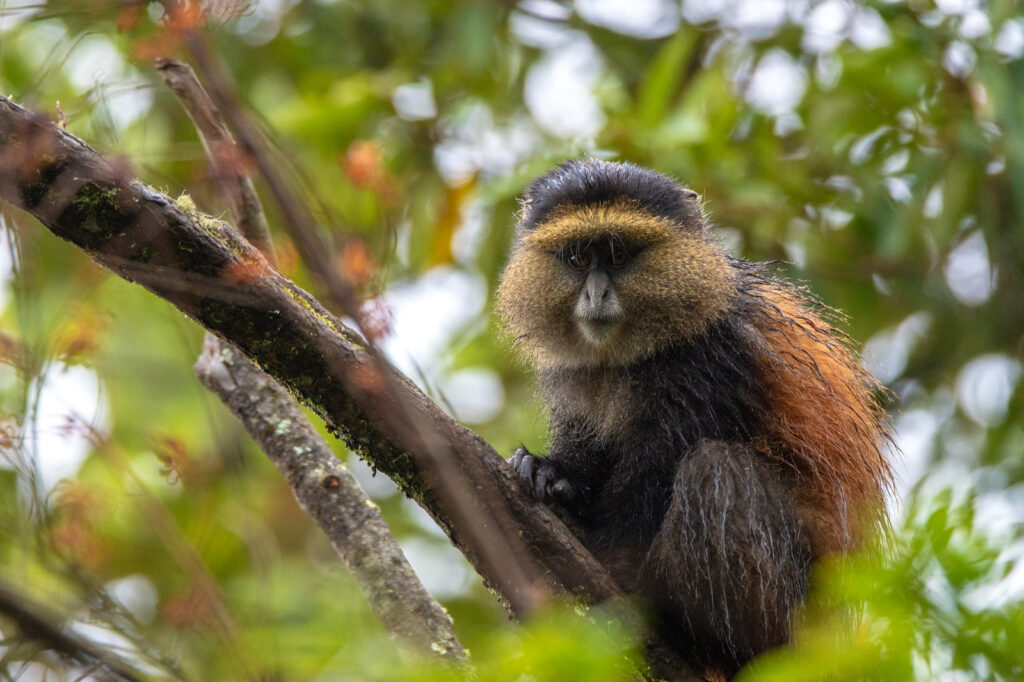
Mgahinga History
Mgahinga History
Ntebeko Visitor Centre
Ntebeko Visitor Centre
Mgahinga Biodiversity
Mgahinga Biodiversity
Mgahinga FAQs Information
Mgahinga FAQs Information
Getting There To Mgahinga
Getting There To Mgahinga
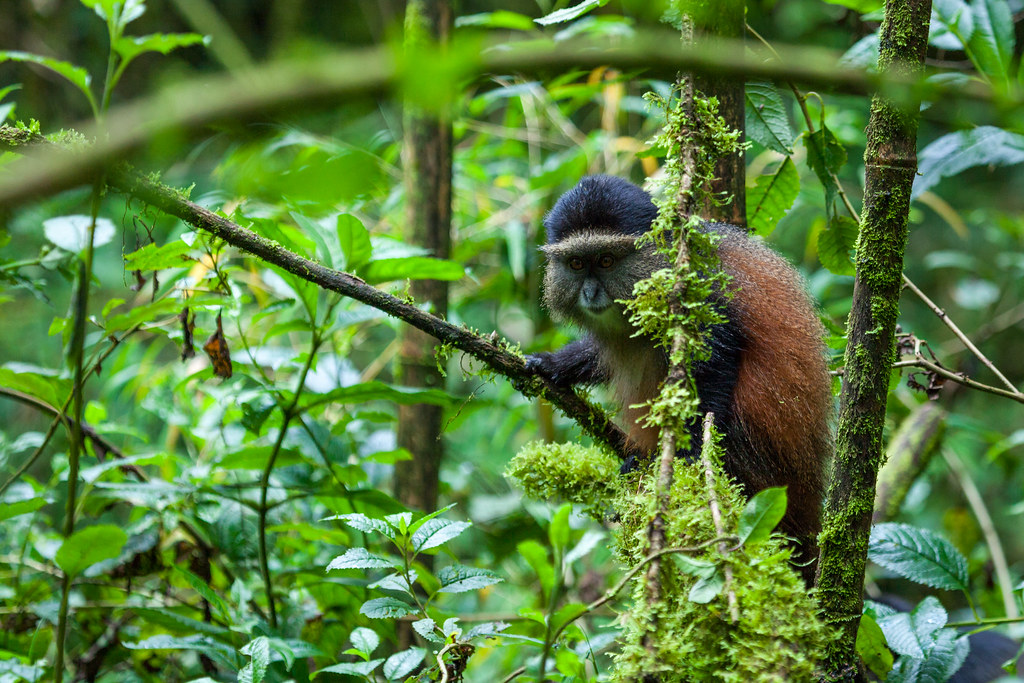
Mgahinga Location
Mgahinga Location
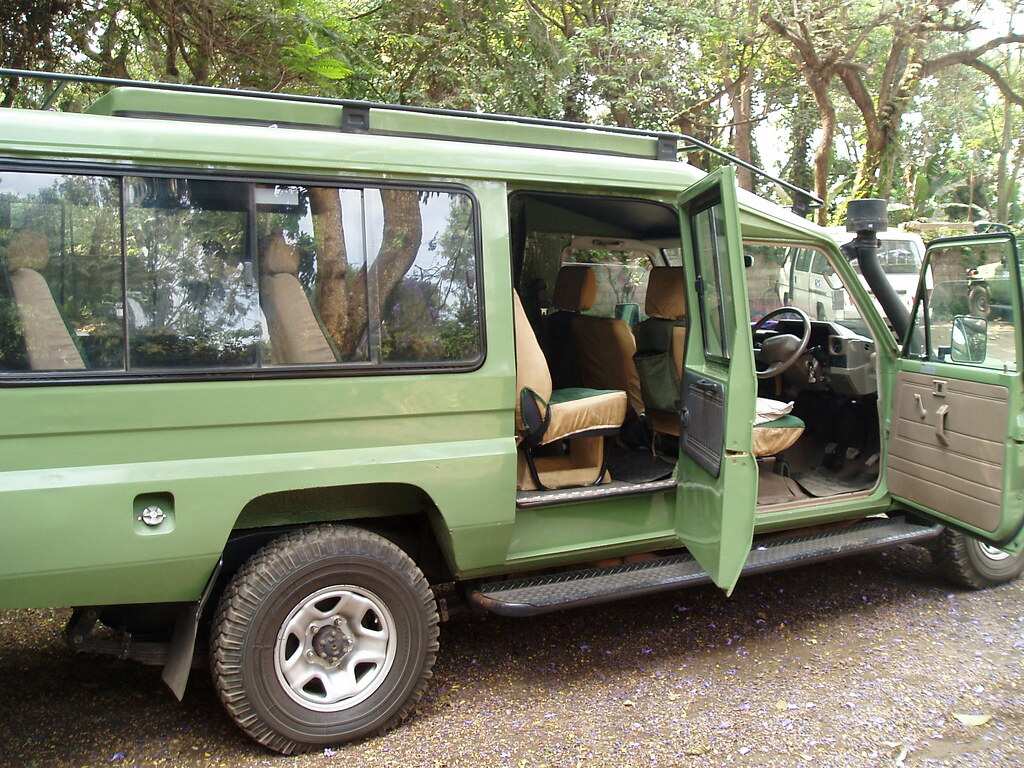
Self Drive
Self Drive
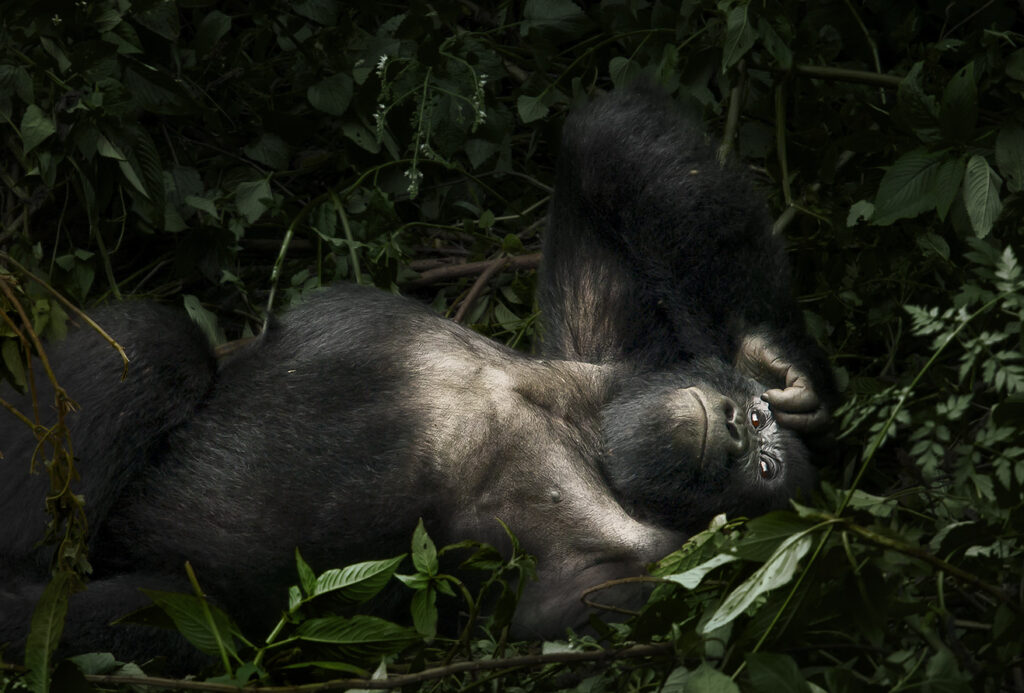
Mgahinga Altitude
Mgahinga Altitude
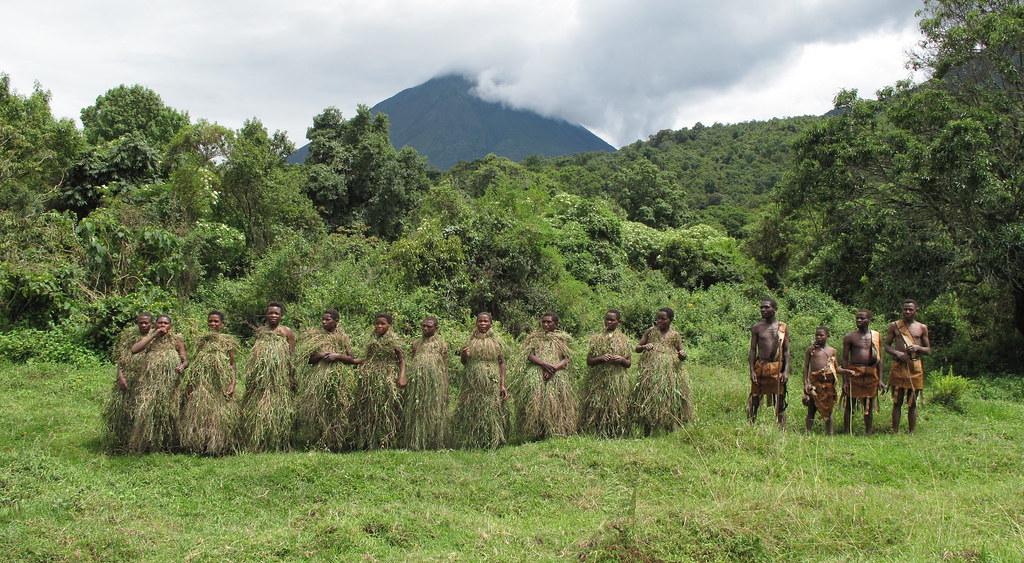
Batwa Trail
Batwa Trail
In the Realm of Giants – Bwindi & Mgahinga in Frames.
Wander through an elegant gallery capturing Uganda’s most exclusive gorilla sanctuaries, where ancient forests cradle the last mountain gorillas in a world of mist, mystery, and majesty.
Essential Planning Tips for Visiting Uganda’s National Parks.
Get ready for the wild heart of Africa with expert travel tips on when to visit, what to pack, where to go, and how to make the most of your safari across Uganda’s breathtaking national parks.
Why Uganda for Gorilla Trekking?
Uganda is not just a destination — it's the very soul of gorilla trekking. With over half of the world’s remaining mountain gorillas calling its misty forests home, Uganda offers the rarest encounters in their most authentic setting. Here, your journey is not rushed or crowded. Instead, you’re guided by experienced rangers through pristine jungles where gorillas live as they always have — wild, free, and magnificent
From insider travel insights to unforgettable trekking guides, our blog is your trusted path into Uganda’s wild heart — connecting you with mountain gorillas, breathtaking landscapes, and the soul-stirring adventures that make this land unlike any other.