

Where the soul of the forest whispers in the mist
East Africa is the undisputed heart of mountain gorilla conservation. When travelers search for gorilla safaris, they are almost always referring to the mist-covered highlands of Uganda and Rwanda, where the last remaining populations of mountain gorillas survive in protected rainforest ecosystems. The East Africa Gorilla experience is rare, tightly regulated, physically immersive, and emotionally profound. It is not comparable to traditional wildlife safaris conducted from safari vehicles. It requires effort, preparation, and respect for structured conservation systems that have allowed this species to recover from the brink of extinction.
An East Africa gorilla safari is not simply a trip. It is entry into one of the most carefully protected primate habitats on Earth. This comprehensive guide explains everything serious travelers need to understand — from species background and country comparisons to fly-in logistics, luxury integration, safety realities, permit strategy, last-minute bookings, and year-round safari design.
So lace up your boots, grab your camera, and prepare to meet the wild — this is where your gorilla trekking dreams and unforgettable safari adventures truly begin.
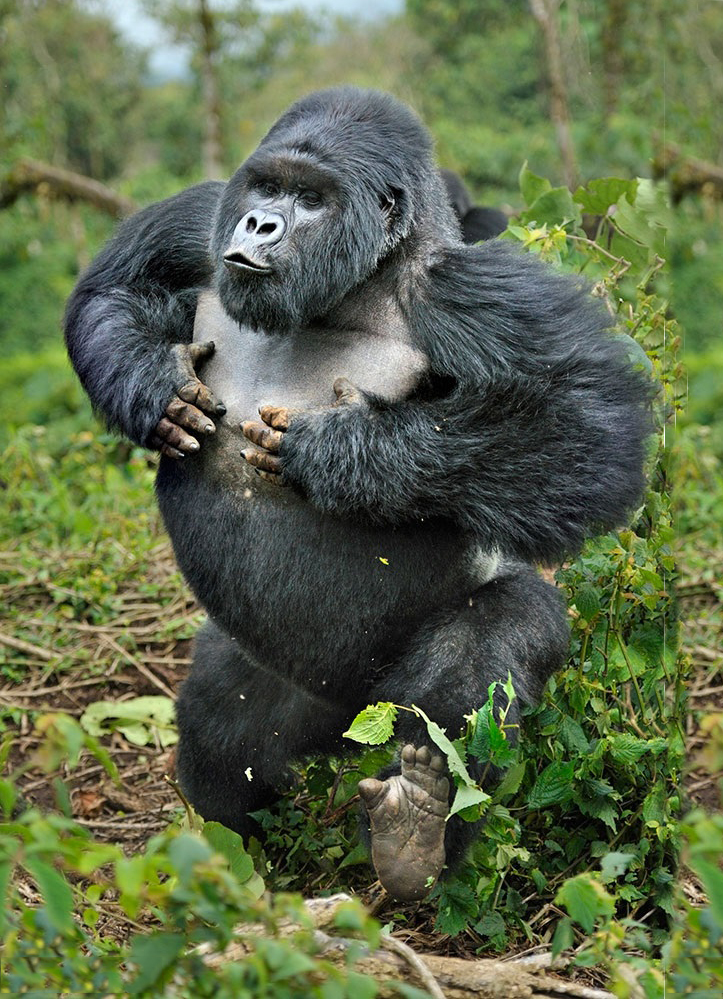
Truly Iconic Highlights in Uganda

Trek through Bwindi’s mystical rainforest and meet the endangered mountain gorillas in their breathtaking natural home.
Encounter mountain gorillas and golden monkeys on Mgahinga’s misty volcanic trails, where culture and alpine wildlife thrive together.
Unwind after your trek with a peaceful canoe ride across Lake Bunyonyi, Uganda’s most tranquil and scenic highland lake.
Enhance your gorilla trekking safari with an optional chimpanzee encounter in Uganda’s lush forests, adding depth and diversity to your primate adventure
Gorilla Trekking Tours in Uganda – Our Most Popular Itineraries.
Explore our gorilla trekking safaris for every traveler—solo, family, budget, or luxury. All tours include permits, transport, accommodation, meals, and park fees. Whether for a quick trip or a deeper adventure, we’ve got you covered.
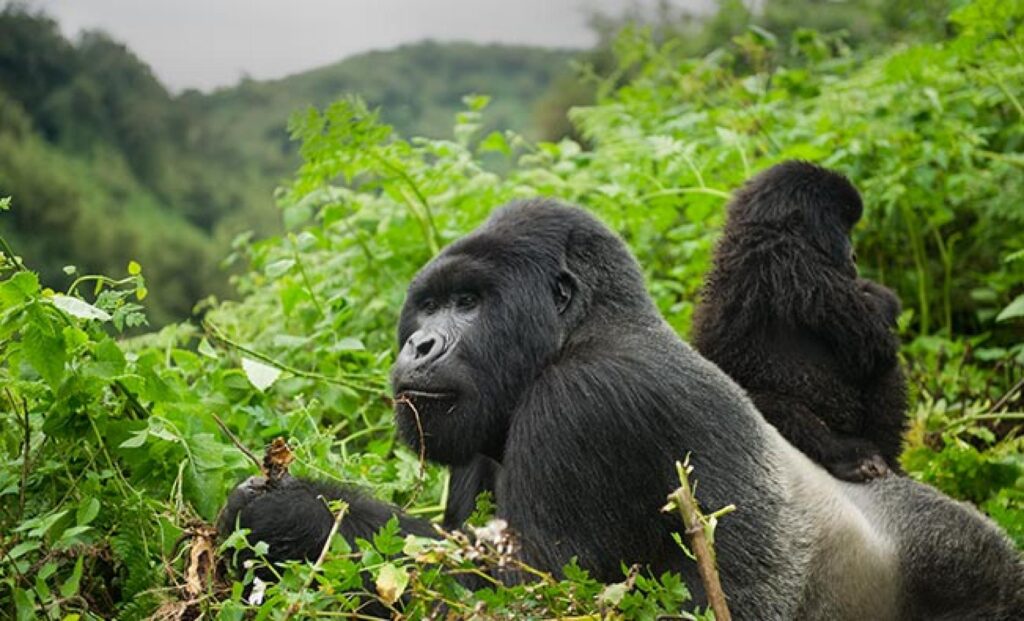
3-Day Bwindi Gorilla Trekking Safari
3-Day Bwindi Gorilla Trekking Safari
4-Day Uganda Gorilla Trekking Safari
4-Day Uganda Gorilla Trekking Safari
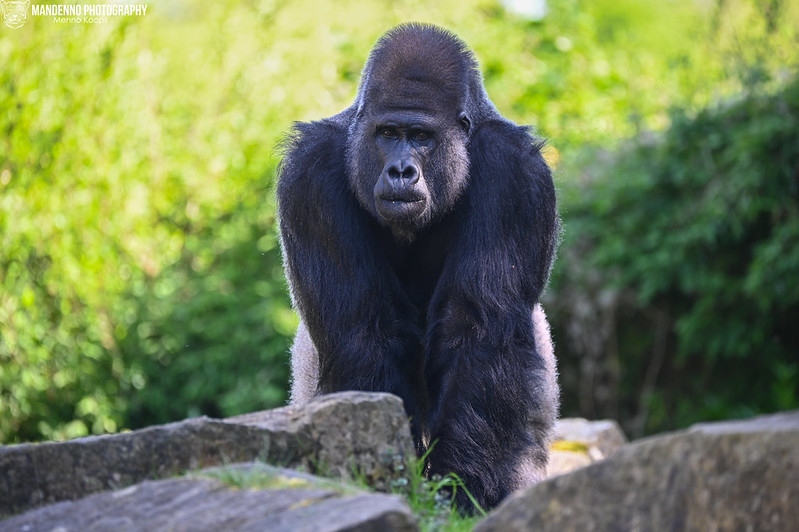
5-Day Gorilla Tracking and Wildlife Safari
5-Day Gorilla Tracking and Wildlife Safari
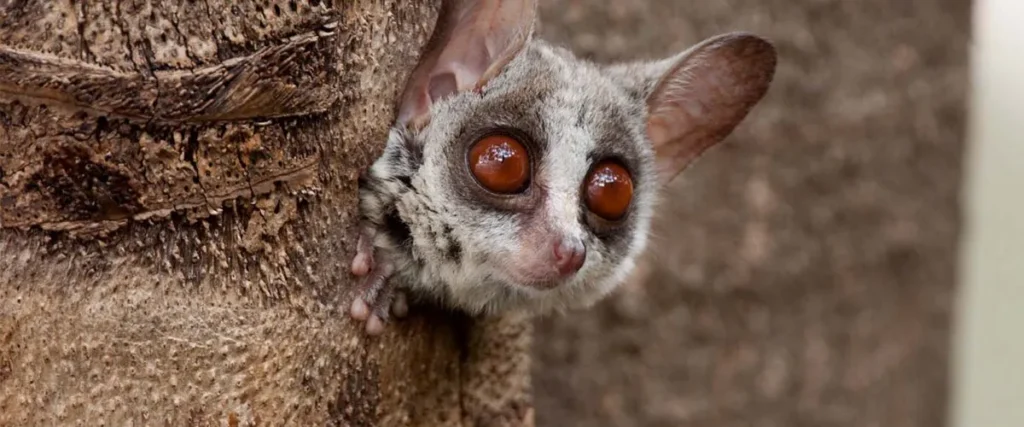
7-Day Uganda Primate Adventure & Wildlife Safari
7-Day Uganda Primate Adventure & Wildlife Safari
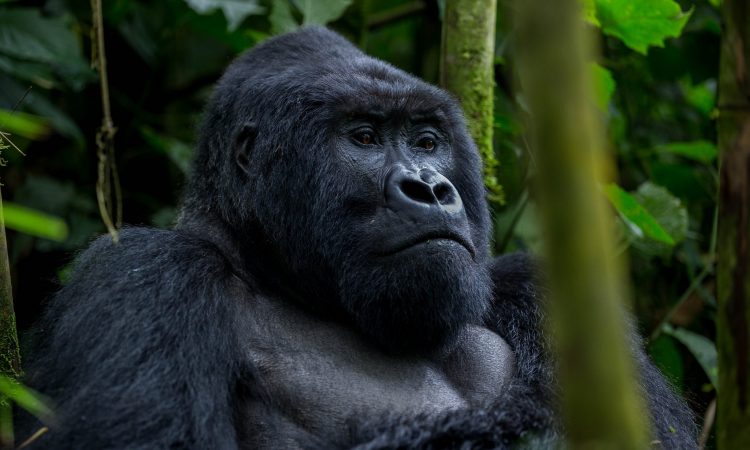
10-Day Gorilla Trekking & Big Five Safari in Uganda
10-Day Gorilla Trekking & Big Five Safari in Uganda
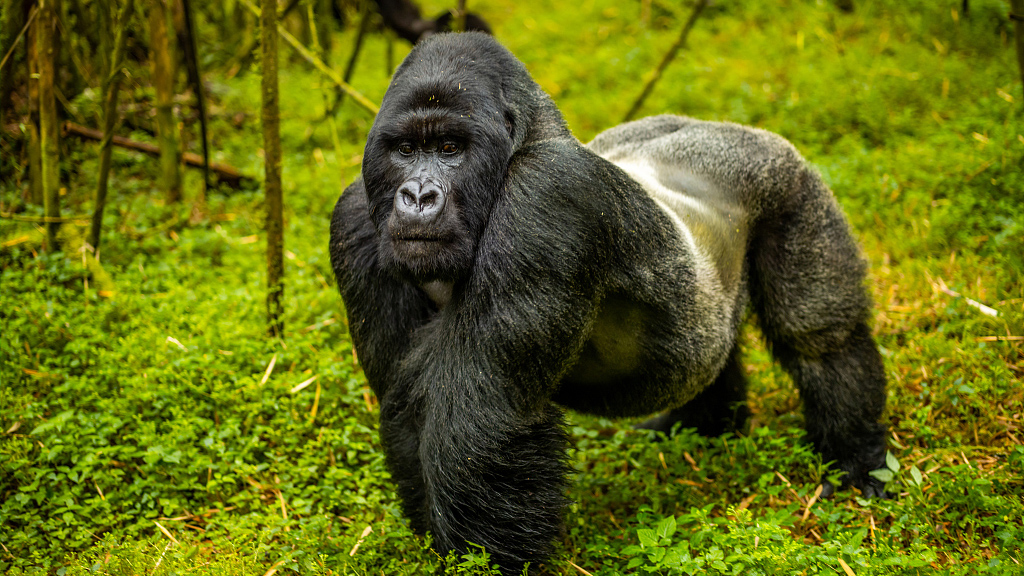
12-Day Uganda Gorilla Trekking, Chimp Tracking & Cultural Safari
12-Day Uganda Gorilla Trekking, Chimp Tracking & Cultural Safari
14-Day Best of Uganda Safari – Gorillas, Wildlife, Cultures
14-Day Best of Uganda Safari – Gorillas, Wildlife, Cultures
East Africa Gorilla Guide; Expertly Crafted For Western Travelers
East Africa remains the global center of mountain gorilla conservation. Uganda and Rwanda offer structured, professionally managed trekking systems that balance access with protection. An East Africa gorilla safari is not a typical wildlife holiday. It is an intentional journey into one of the world’s rarest ecosystems.
The mist, the altitude, the forest silence, and the quiet gaze of a silverback combine into an experience that transcends tourism.
It is conservation in motion.
The Mountain Gorillas of East Africa
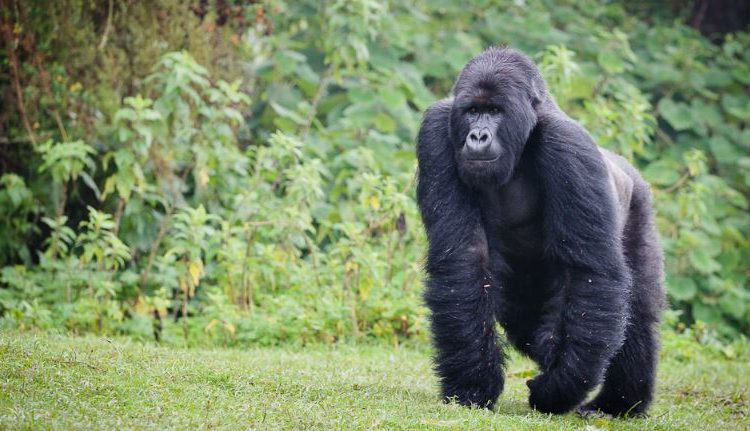
Mountain gorillas are a subspecies of eastern gorilla and exist only in a small region of East and Central Africa. Their total population numbers just over one thousand individuals worldwide. Nearly all of them inhabit the high-altitude forests spanning southwestern Uganda, northwestern Rwanda, and eastern Democratic Republic of Congo.
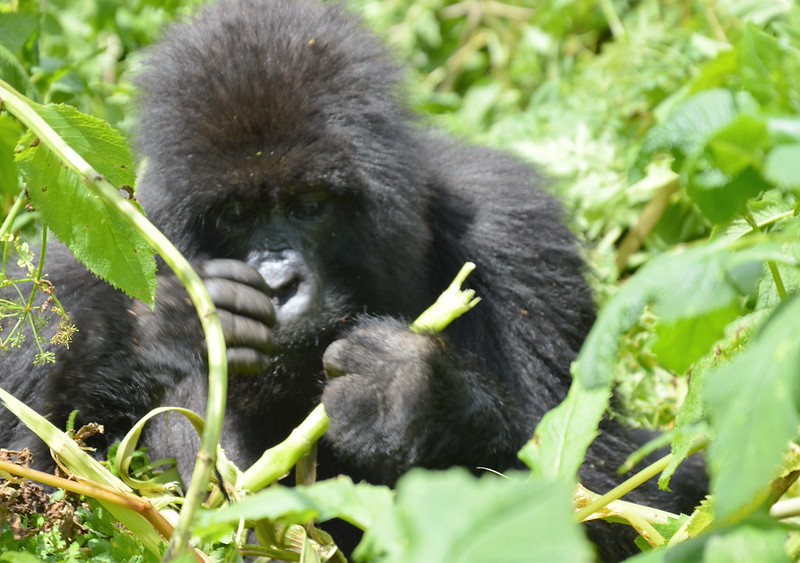
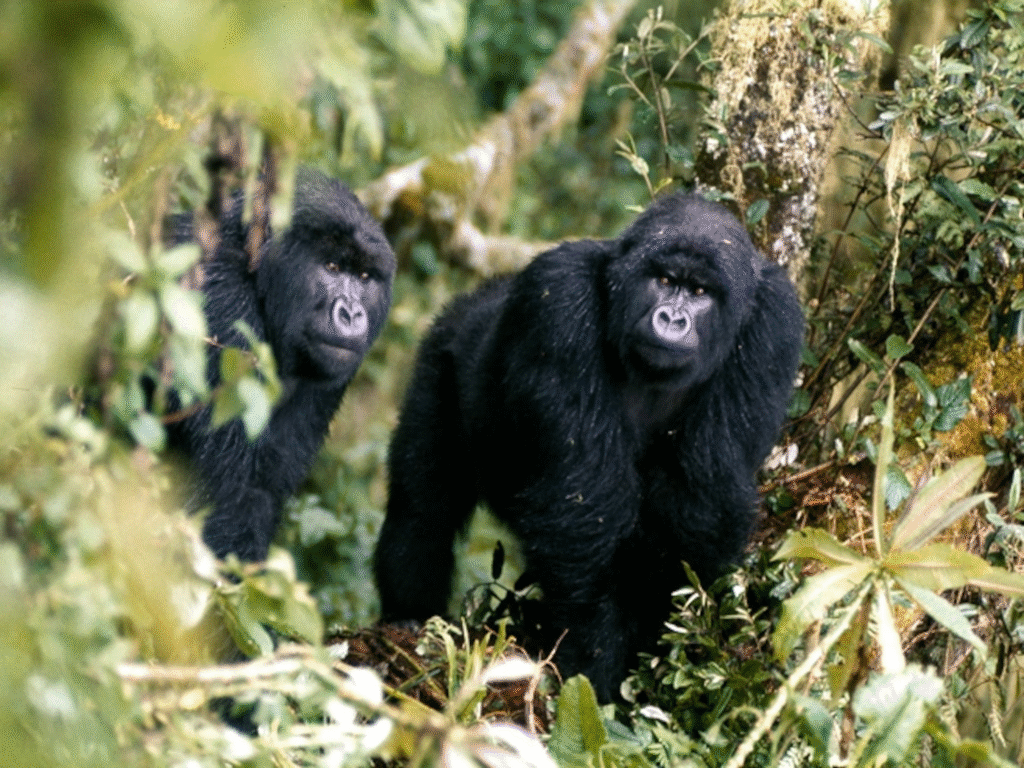
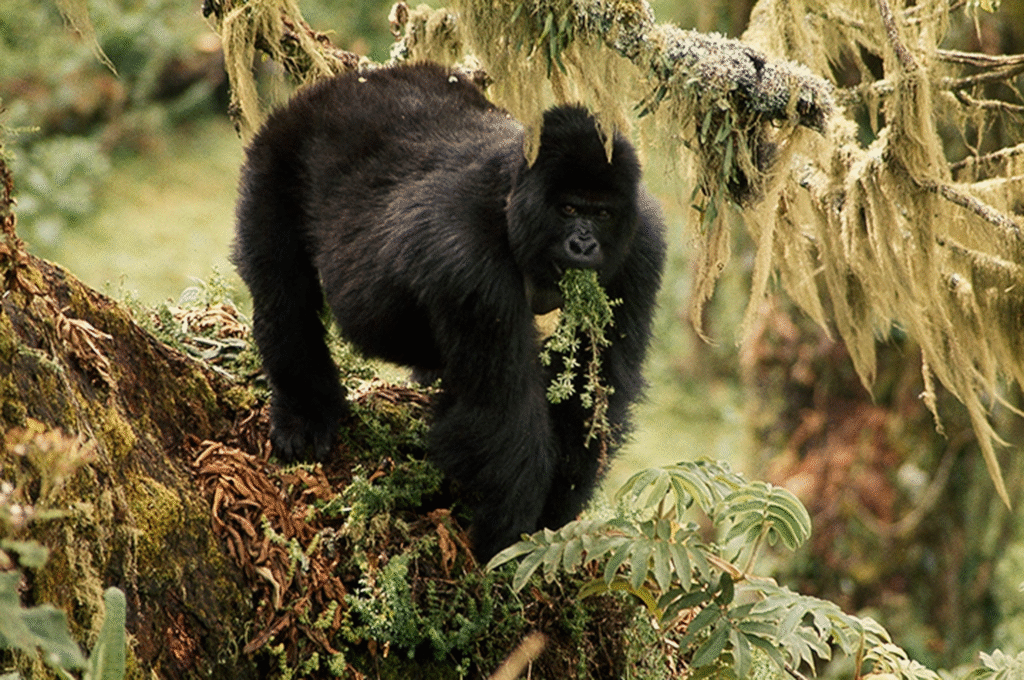
These gorillas live between 1,200 and 2,600 meters above sea level in cool, misty, montane rainforest environments. Their thick fur protects them from temperature fluctuations, and their social structure revolves around family groups led by a dominant silverback male. Each family includes adult females, juveniles, infants, and sometimes subordinate males known as blackbacks.
Unlike lowland gorillas found deeper in Central Africa, mountain gorillas have been extensively habituated for conservation tourism. Habituation is a multi-year process during which gorilla families gradually become accustomed to controlled human presence without losing their natural behaviors. This allows for regulated tourism that funds conservation without domesticating the animals.
East Africa’s structured approach to gorilla tourism is widely regarded as one of the most successful wildlife conservation models in the world.
Where East Africa Gorilla Safaris Take Place
Uganda: Bwindi Impenetrable National Park and Mgahinga Gorilla National Park
Uganda is home to the largest number of mountain gorillas in East Africa. Bwindi Impenetrable National Park is the primary trekking destination and one of Africa’s most biologically diverse rainforests. The forest is ancient, dense, steep, and layered with thick vegetation. It is divided into multiple trekking sectors, each hosting habituated gorilla families.
The sectors differ in terrain and lodge proximity, offering varied trekking experiences. Some treks involve steep ridges and deep valleys, while others follow more gradual forest paths. Uganda’s advantage lies in the number of habituated families, which increases permit availability and trekking flexibility.
Mgahinga Gorilla National Park, located along the Virunga volcanic range, offers a quieter alternative with fewer daily permits issued. The scenery is dramatic, dominated by volcanic peaks and bamboo forest.
Uganda also allows travelers to combine gorilla trekking with chimpanzee tracking in Kibale Forest, wildlife safaris in Queen Elizabeth National Park, and scenic relaxation at Lake Bunyonyi.
Rwanda: Volcanoes National Park
Rwanda’s gorilla safaris operate in Volcanoes National Park, part of the greater Virunga ecosystem. The park is located approximately two and a half hours from Kigali International Airport, making it the most logistically accessible gorilla trekking destination in East Africa.
The terrain is volcanic, with bamboo forests and alpine slopes creating striking landscapes. Rwanda positions itself as a premium tourism destination, with permit pricing reflecting its high-end strategy.
Travelers often choose Rwanda for shorter luxury-focused trips due to airport proximity and well-developed lodge infrastructure.
The Virunga Ecosystem Across Borders
The Virunga mountain range spans Uganda, Rwanda, and the Democratic Republic of Congo. Although gorillas do not recognize political borders, tourism systems differ by country. East Africa’s cooperation in protecting this ecosystem demonstrates the importance of cross-border conservation.
Most international visitors select Uganda or Rwanda due to infrastructure stability, but understanding the regional ecosystem highlights the collective conservation effort required to sustain mountain gorillas.
What Defines an East Africa Gorilla Safari
An East Africa gorilla safari is defined by structure and limitation. Only eight visitors are permitted to visit a habituated gorilla family per day. Viewing time is restricted to one hour. Rangers escort every group. Health screening protocols are enforced to prevent disease transmission.
The safari begins early in the morning with a briefing at park headquarters. Trackers enter the forest before dawn to locate the gorilla families. Visitors are then assigned to small groups and guided into the forest based on permit allocation.
The trek can last from one hour to several hours depending on the gorillas’ location that day. Terrain may be steep, muddy, humid, and physically demanding. The effort builds anticipation.
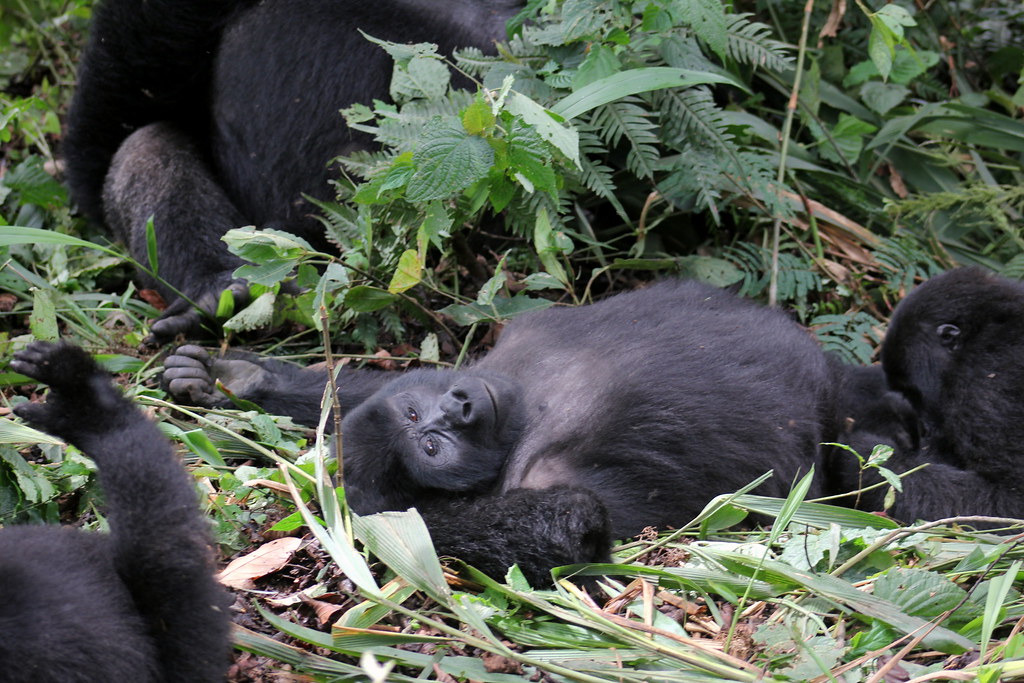
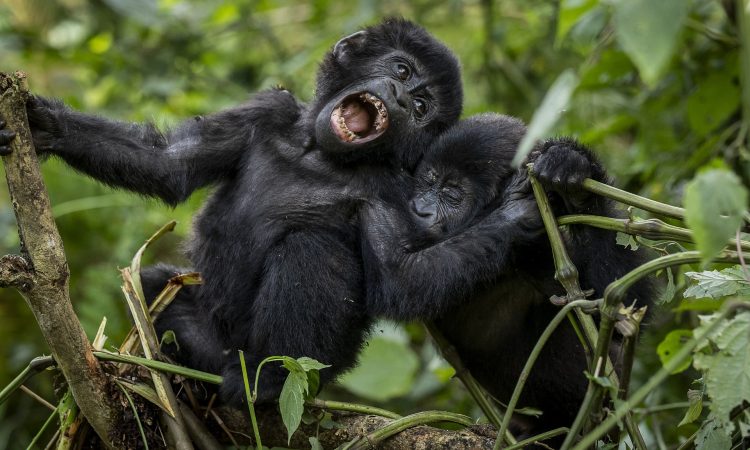
When the gorillas are found, visitors approach slowly and quietly. The encounter is not dramatic in a cinematic sense. It is intimate. Gorillas continue feeding, grooming, resting, and interacting. The silverback maintains awareness but rarely displays aggression.
The experience feels unscripted and deeply human.
Fly-In Gorilla Safaris in East Africa
Fly-in gorilla safaris dramatically improve logistics and comfort, especially in Uganda where road transfers from Entebbe to Bwindi can take several hours. Domestic charter flights connect Entebbe to airstrips near trekking sectors, significantly reducing travel fatigue.
In Rwanda, helicopter transfers are available from Kigali to lodges near Volcanoes National Park, creating seamless luxury itineraries.
Fly-in safaris are ideal for senior travelers, executives, honeymooners, and visitors with limited time. They allow for shorter overall itineraries without sacrificing depth.
Luxury fly-in packages typically include charter flights, private safari vehicles, premium forest lodges, and personalized guiding services.
Luxury Gorilla Safaris in East Africa
East Africa has developed an impressive portfolio of high-end eco-lodges near gorilla trekking regions. Luxury accommodations offer private villas, plunge pools, fireplaces, panoramic forest decks, spa services, and fine dining.
Luxury gorilla safaris combine wilderness immersion with post-trek comfort. The forest experience remains unchanged, but the recovery environment is elevated.
These safaris often integrate private guides, exclusive-use vehicles, and curated extensions such as chimpanzee tracking or savannah wildlife experiences.
Luxury does not remove authenticity. It enhances pacing and comfort.
Best Time for East Africa Gorilla Safaris
Gorilla trekking operates year-round in both Uganda and Rwanda. The main dry seasons typically provide firmer trail conditions and easier hiking. Rainy seasons create lush forest landscapes and fewer tourists.
Because gorilla families are tracked daily, sightings remain highly reliable regardless of season. Weather impacts trail comfort more than visibility.
Peak demand aligns with European summer holidays and December festive travel. Advance booking is essential during these months.
Low season months may offer greater permit availability and quieter trekking conditions.
Last-Minute Gorilla Permits in East Africa
Last-minute gorilla permits are possible, particularly in Uganda where more habituated families increase daily permit allocation. However, availability depends heavily on travel month.
Peak seasons rarely allow spontaneous bookings. Travelers seeking last-minute permits must remain flexible on trekking sector and dates.
Rwanda’s permit availability tends to be tighter due to fewer daily permits and premium positioning.
Last-minute trekking can work during shoulder or low seasons but should never be relied upon during high-demand periods.
Is East Africa Gorilla Trekking Safe?
Safety in East Africa’s gorilla trekking regions is maintained through structured ranger systems, conservation patrols, and visitor management protocols.
Mountain gorillas are generally calm when approached respectfully. Rangers interpret gorilla behavior and position groups appropriately. Armed escorts are present for overall wildlife and environmental security.
Visitors must follow instructions carefully, maintain distance, and avoid sudden movements.
Health protocols are strictly enforced to prevent human-to-gorilla disease transmission.
Uganda and Rwanda remain the most stable and professionally managed gorilla trekking destinations in East Africa.
Gorilla Trekking for Seniors and First-Time Travelers
Age does not automatically exclude travelers from gorilla trekking. Moderate physical fitness is required, but ranger teams often match groups to ability levels where possible.
Porters provide stability and assist with carrying gear. In select cases, sedan-chair services can be arranged for travelers with mobility limitations.
First-time travelers often worry about safety or physical strain. Proper preparation, honest fitness assessment, and structured pacing make the experience manageable and rewarding.
Fly-in access further enhances accessibility for older guests.
Conservation Impact of East Africa Gorilla Safaris
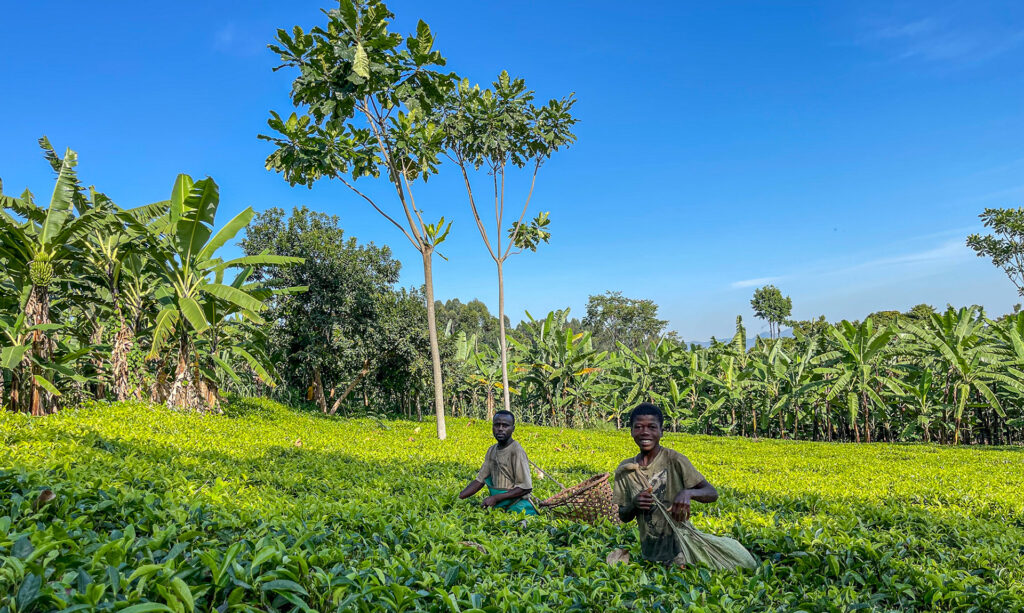
Permit revenue funds anti-poaching patrols, ranger salaries, veterinary units, and community development projects. A percentage of permit fees supports schools, clinics, and infrastructure in surrounding villages.
Without structured tourism, habitat protection would weaken dramatically. Gorilla safaris are not extractive tourism. They are conservation mechanisms.
The growth of the mountain gorilla population over recent decades is directly linked to regulated tourism and community integration.
Designing the Best East Africa Gorilla Safari Package
The best gorilla safari depends on itinerary length, comfort preference, and wildlife interests.
A short four-day gorilla-focused itinerary works well for time-restricted travelers using fly-in access.
A seven to ten-day safari combining gorillas, chimpanzees, and savannah wildlife offers balanced immersion.
Luxury fly-in packages create efficiency and high-end comfort. Extended conservation-focused itineraries deepen primate exploration.
Year-round operation allows flexibility in scheduling, provided permits are secured early.
The Emotional Core of East Africa Gorilla Safaris
The most surprising element of gorilla trekking is its stillness. Visitors often expect adrenaline. What they encounter instead is calm observation within a functioning primate society.
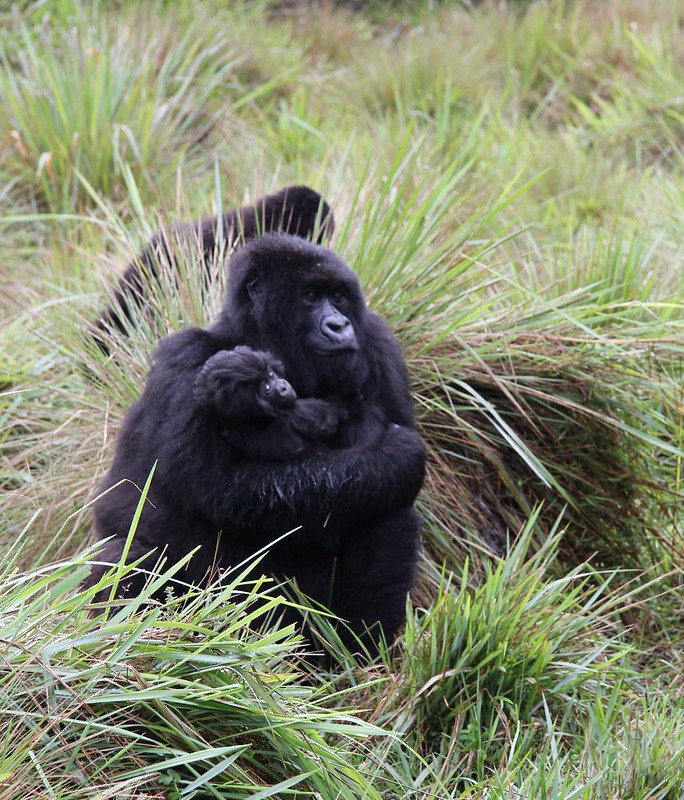
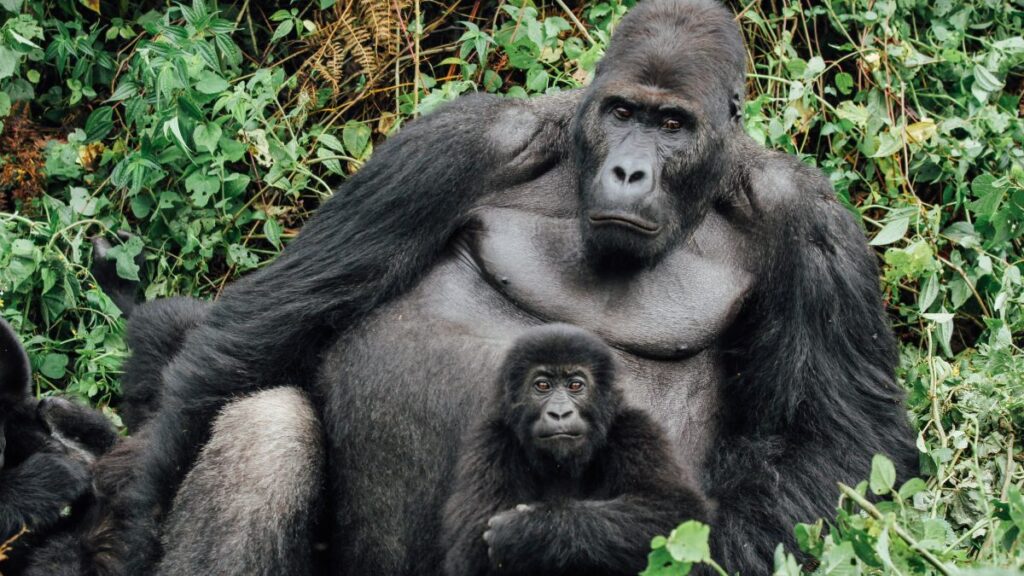
Watching a mother nurse her infant while a silverback rests nearby creates a sense of shared evolutionary history.
There are no fences. No performance. No artificial staging.
Only regulated presence within ancient forest.
More Gorilla Trekking Information to Know.
Gorilla trekking goes far beyond just the hike — it’s a deep, emotional journey into the heart of Africa’s last wild rainforests. Knowing the right timing, permits, fitness tips, and park details can turn your experience from good to unforgettable.
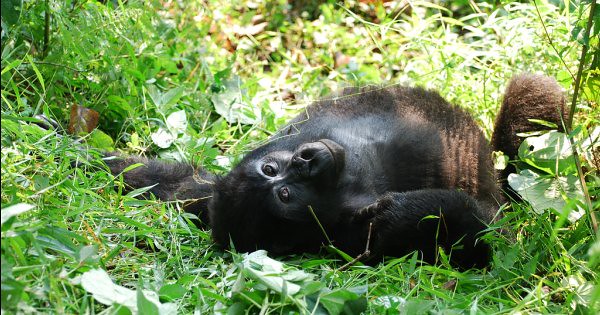
Gorilla Trekking in Bwindi Impenetrable Forest
Gorilla Trekking in Bwindi Impenetrable Forest
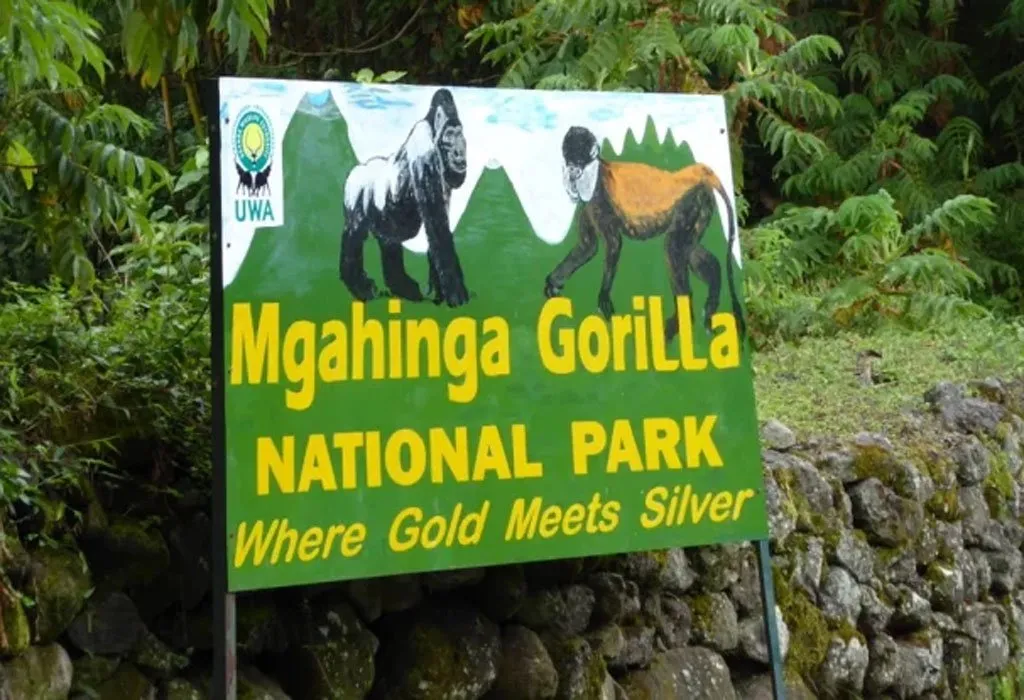
Trekking Gorillas in Mgahinga National Park
Trekking Gorillas in Mgahinga National Park
Uganda Gorilla Trekking Permits – Prices, Booking, & Travel Tips
Uganda Gorilla Trekking Permits – Prices, Booking, & Travel Tips

What to Pack for Gorilla Trekking in Uganda – Expert Checklist
What to Pack for Gorilla Trekking in Uganda – Expert Checklist
Best Time to Go Gorilla Trekking in Uganda – Weather & Seasons
Best Time to Go Gorilla Trekking in Uganda – Weather & Seasons
Gorilla Trekking Difficulty in Uganda – Fitness & Trail Guide
Gorilla Trekking Difficulty in Uganda – Fitness & Trail Guide
Gorilla Trekking Rules in Uganda – Safety, Respect & Ethics
Gorilla Trekking Rules in Uganda – Safety, Respect & Ethics
Gorilla Conservation in Uganda – Protecting the Mountain Giants
Gorilla Conservation in Uganda – Protecting the Mountain Giants
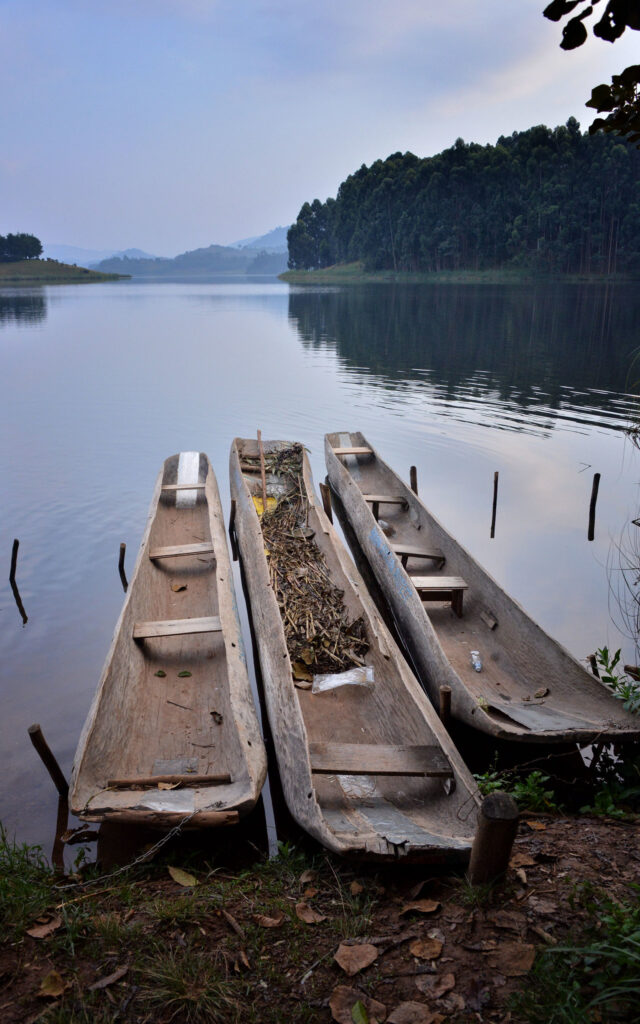
Bwindi vs. Mgahinga – Which One to Choose For Gorilla Trekking?
Bwindi vs. Mgahinga – Which One to Choose For Gorilla Trekking?
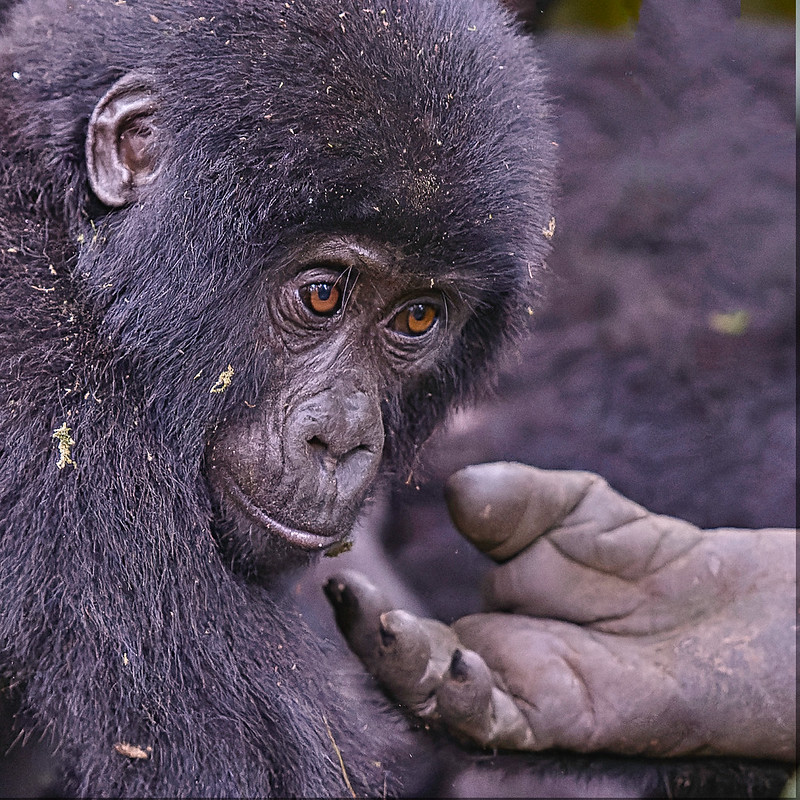
How to Stay Safe and Healthy While Traveling in Uganda
How to Stay Safe and Healthy While Traveling in Uganda
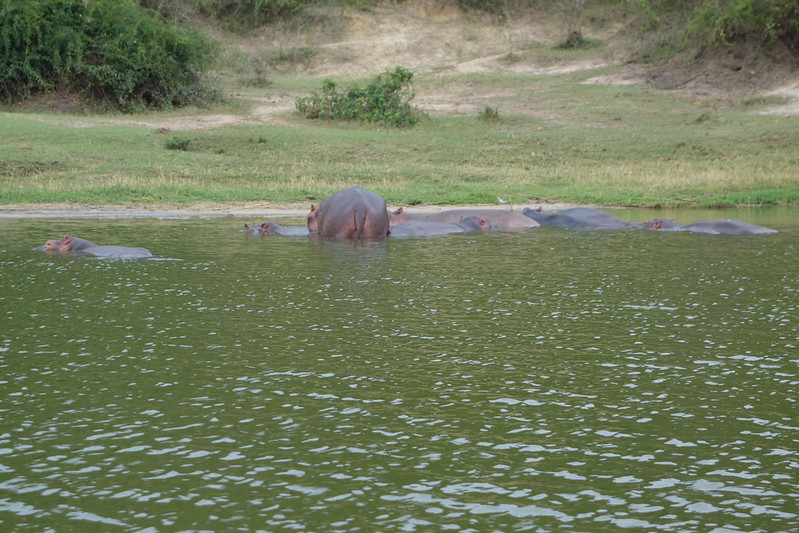
Routes, Tips & Travel Wisdom for Getting to Bwindi or Mgahinga
Routes, Tips & Travel Wisdom for Getting to Bwindi or Mgahinga
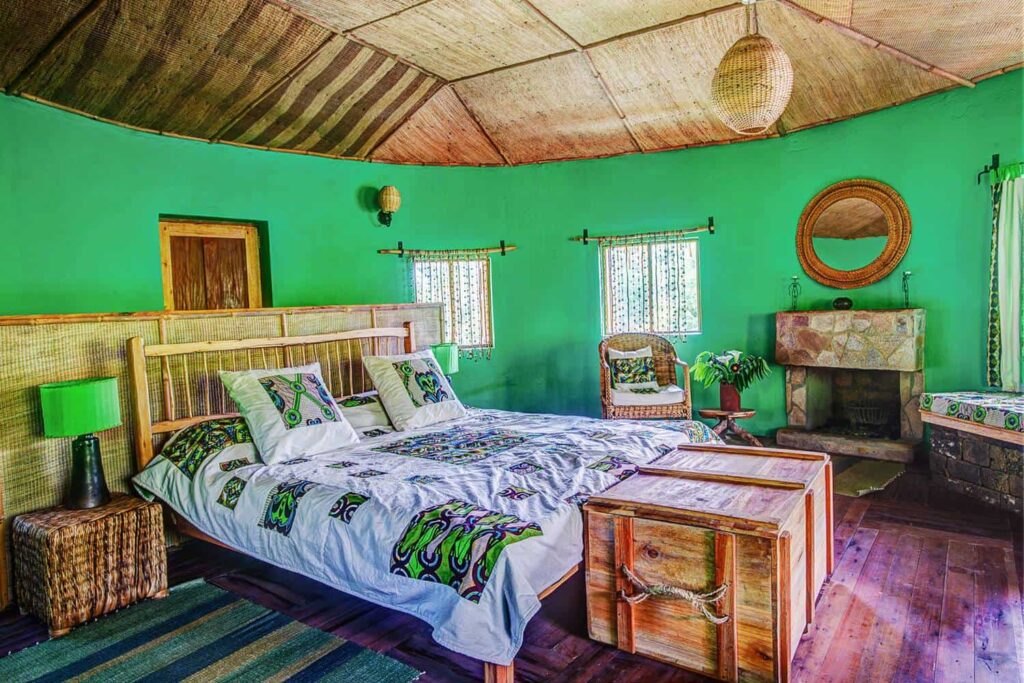
Accommodation Options: Lodges & Camps in Bwindi and Mgahinga
Accommodation Options: Lodges & Camps in Bwindi and Mgahinga
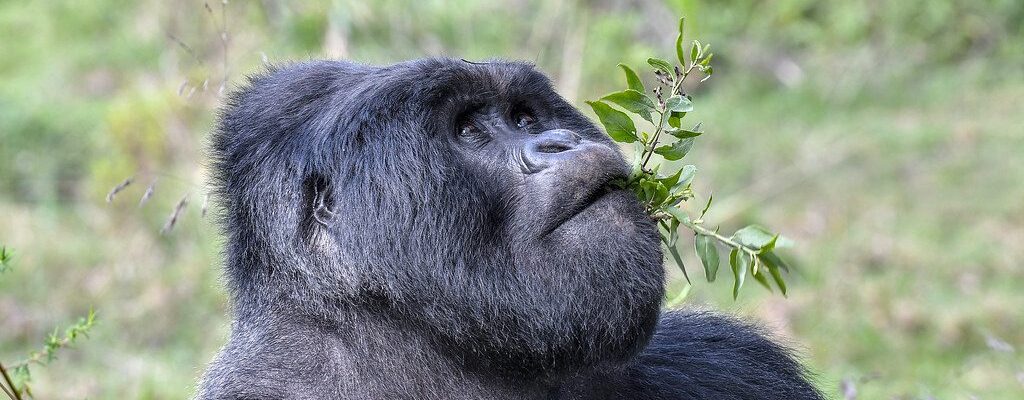
Protecting What You Came to See: Gorilla Conservation & Ethics
Protecting What You Came to See: Gorilla Conservation & Ethics
Travel Insurance for Gorilla Treks: Before You Go
Travel Insurance for Gorilla Treks: Before You Go
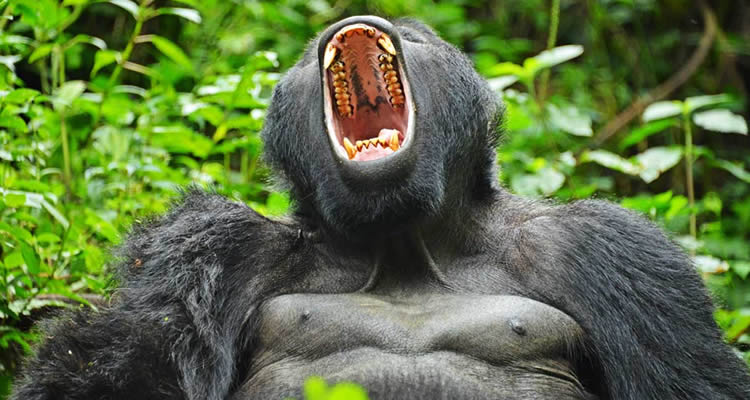
First Time Gorilla Trekking? Here’s Everything I Wish I Knew
First Time Gorilla Trekking? Here’s Everything I Wish I Knew
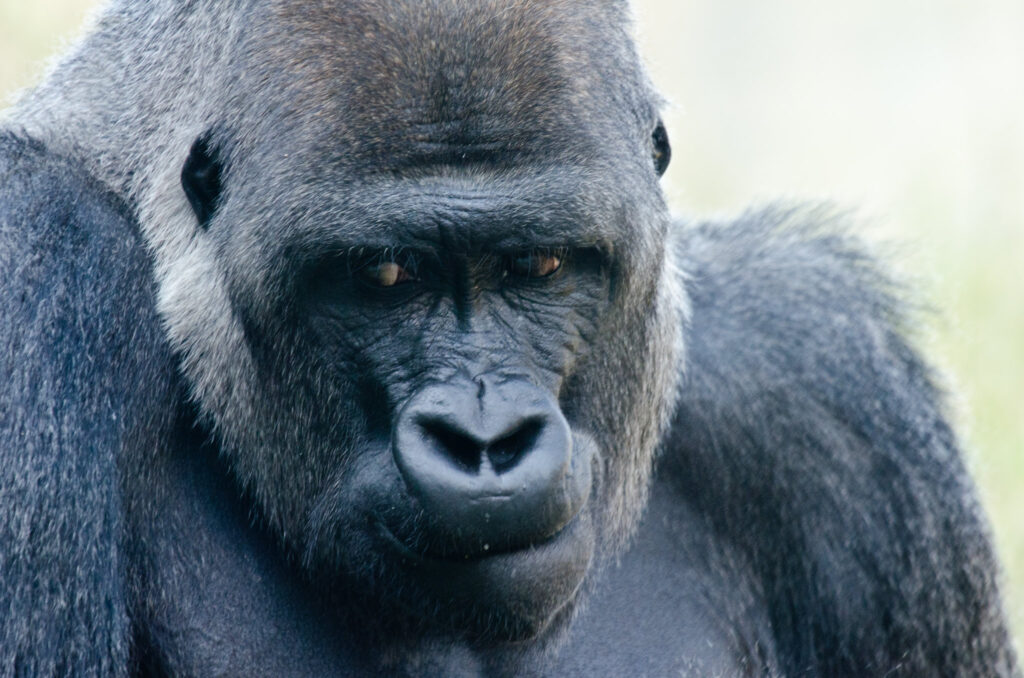
Step by Step: What Happens During a Gorilla Trekking Day
Step by Step: What Happens During a Gorilla Trekking Day
Gorilla Trekking vs. Gorilla Tracking – What’s the Real Difference?
Gorilla Trekking vs. Gorilla Tracking – What’s the Real Difference?
Beyond Gorillas: Other Wildlife You Can See During Your Trek
Beyond Gorillas: Other Wildlife You Can See During Your Trek
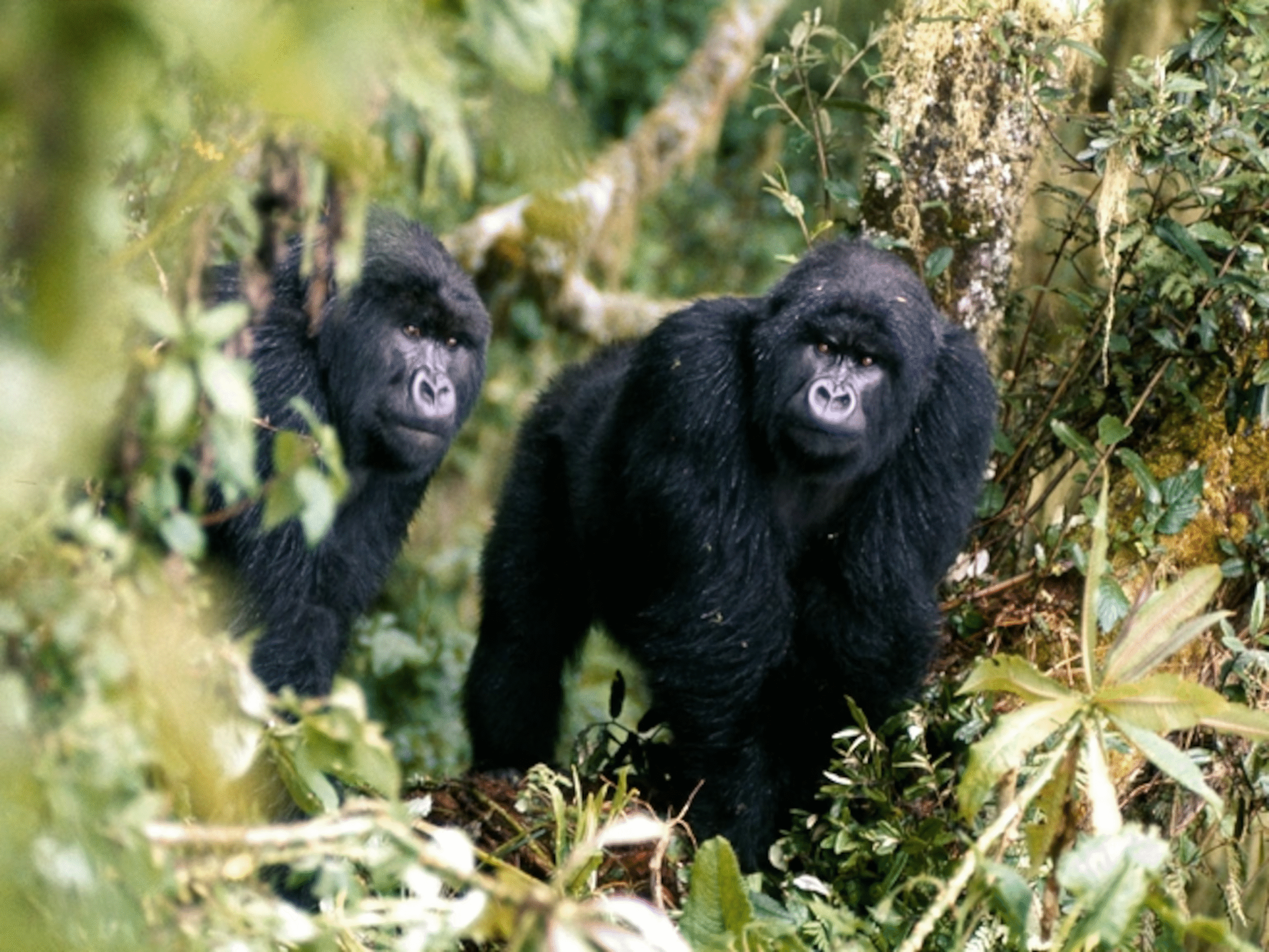
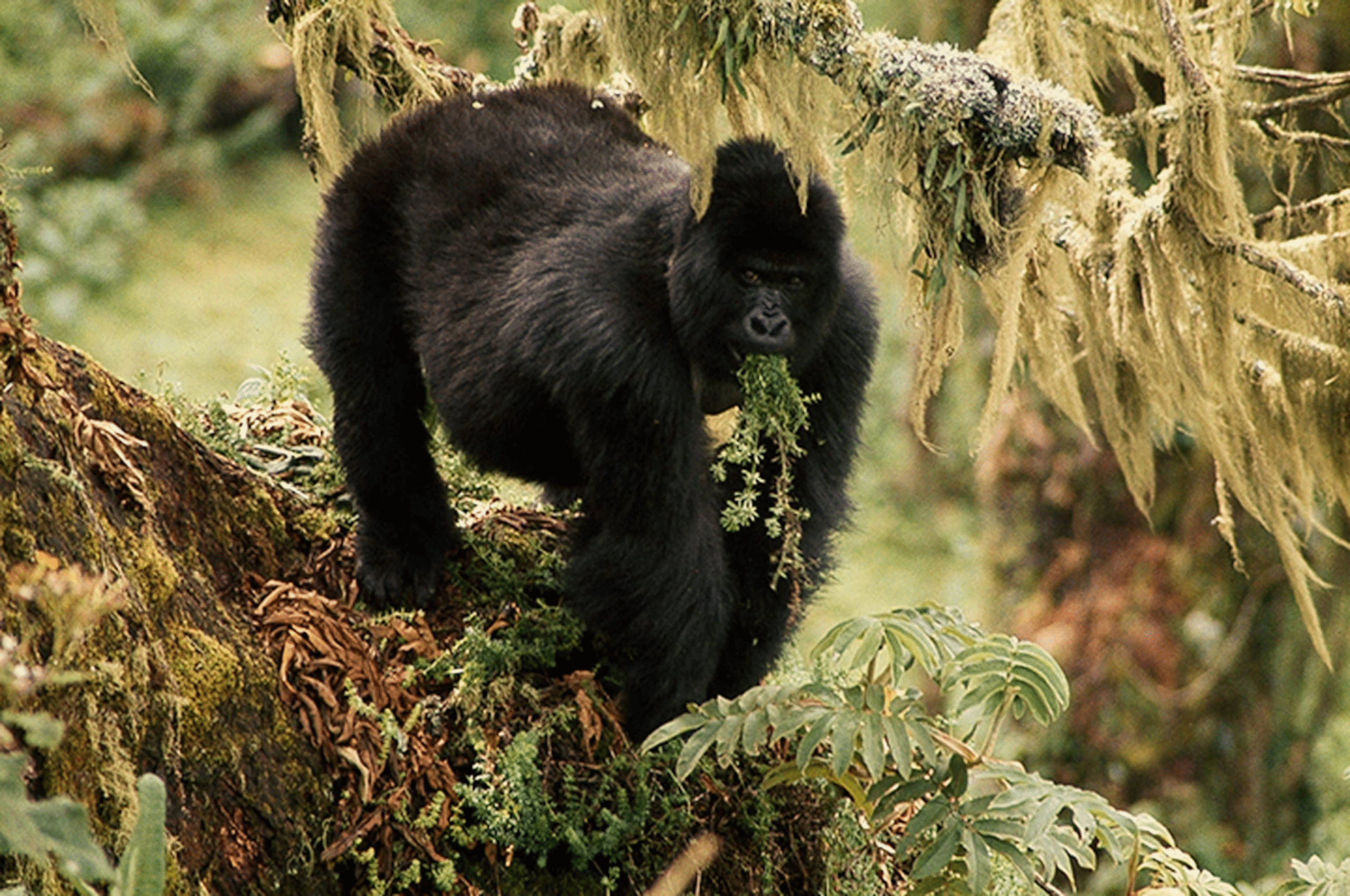
In the Realm of Giants – Bwindi & Mgahinga in Frames.
Wander through an elegant gallery capturing Uganda’s most exclusive gorilla sanctuaries, where ancient forests cradle the last mountain gorillas in a world of mist, mystery, and majesty.

Essential Planning Tips for Visiting Uganda’s National Parks.
Get ready for the wild heart of Africa with expert travel tips on when to visit, what to pack, where to go, and how to make the most of your safari across Uganda’s breathtaking national parks.
Why Uganda for Gorilla Trekking?
Uganda is not just a destination — it's the very soul of gorilla trekking. With over half of the world’s remaining mountain gorillas calling its misty forests home, Uganda offers the rarest encounters in their most authentic setting. Here, your journey is not rushed or crowded. Instead, you’re guided by experienced rangers through pristine jungles where gorillas live as they always have — wild, free, and magnificent
From insider travel insights to unforgettable trekking guides, our blog is your trusted path into Uganda’s wild heart — connecting you with mountain gorillas, breathtaking landscapes, and the soul-stirring adventures that make this land unlike any other.